Why Fire Rated Glass Orders Get Delayed
Fire rated glass orders are often delayed not because of production problems, but because of incomplete project information, drawing revisions, hardware changes, approval delays and installation coordination issues. Understanding these risks can help contractors and buyers avoid costly project setbacks.
Get QuoteWhy Delivery Delays Are Common In Fire Rated Glass Projects
Unlike standard glass products, fire rated glass is usually produced according to project-specific requirements. Every order may involve custom dimensions, fire ratings, frame systems, hardware configurations and packaging requirements.
When information is incomplete or changes during production, lead times can increase significantly. In large hotel, office, hospital and data center projects, even a small design change can affect the entire delivery schedule.
1. Incomplete RFQs And Missing Project Information
One of the biggest causes of delay is incomplete RFQ documentation. Suppliers often receive inquiries without complete drawings, fire rating requirements, frame details or hardware specifications.
Before production can begin, suppliers must request additional information and wait for clarification. This process can add days or even weeks to the schedule.
Missing fire rating requirements
No door schedule provided
Missing panel dimensions
No frame system information
Unclear installation location
2. Drawing Revisions After Order Confirmation
Many projects continue changing after the order has already been placed. Architects, consultants or contractors may revise door sizes, wall openings or glass layouts.
Once production starts, any change may require engineering review, new drawings, material adjustments and production rescheduling.
3. Hardware Changes During Production
Fire rated glass doors often require door closers, hinges, locks, panic bars and access control systems. Hardware changes after production begins can affect door preparation, cut-outs and frame configurations.
Contractors frequently underestimate how much impact hardware changes have on manufacturing schedules.
4. Sample Approval Takes Longer Than Expected
For international projects, buyers often request samples before mass production. Delays occur when sample reviews, internal approvals or consultant sign-offs take longer than planned.
Production cannot move forward until samples receive final approval.
5. Export Packaging And Shipping Coordination
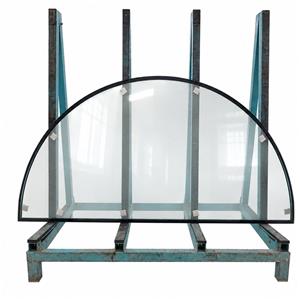
Fire rated glass is heavy and fragile. Oversized panels require reinforced wooden crates, special loading procedures and shipping arrangements.
If container booking, project logistics or packaging approval is delayed, shipment dates may also move.
6. Site Conditions Are Not Ready
In many renovation projects, site conditions are not ready when the glass arrives. Wall openings may not be completed, floor levels may change or installation access may be restricted.
Suppliers sometimes need to hold shipments or delay production to avoid unnecessary storage and handling risks.
How Contractors Can Reduce Delays
Prepare complete RFQ documentation
Provide final approved drawings
Confirm hardware before production
Approve samples quickly
Review export packaging requirements early
Coordinate site readiness with delivery schedule
Reduce design changes after order confirmation
Maintain regular communication with suppliers
Conclusion
Most fire rated glass order delays are preventable. Complete RFQs, accurate drawings, early hardware confirmation and proactive project coordination can significantly reduce lead times and help projects stay on schedule.
Need Faster Fire Rated Glass Project Delivery?
Send us your drawings, fire rating requirements and project schedule. Our team will help identify potential risks and recommend the most efficient production and delivery plan.
Contact Us Get QuoteBuyer focused optimization notes
This additional project note explains order delay from a practical buyer and contractor point of view. The article is mainly useful for import buyers trying to keep a project schedule on track. In real projects, production and delivery delayed by missing information can affect approval, installation time, and final handover. Before placing an order, buyers should compare the requested fire rating with the glass make up, frame system, hardware plan, packing method, certificate scope, and site conditions. This keeps the article closer to search intent from contractors, architects, fire safety consultants, hotel owners, data center builders, commercial developers and import buyers who are searching for reliable fire rated glass solutions.
How PyroNano product pages support this topic
For a full specification check, buyers can start from the fire rated glass product range, fire resistant glass, fire rated glass. Projects that require transparent fire separation usually compare 1 hour fire glass, NanoFlam EL 60, NanoFlam EL 120 with door, partition and oversized glass options. Door related inquiries should also review fire resistant glass door systems, fire resistant glass door, fire rated glass sliding door, while interior separation work often needs fire resistant glass partition, fire rated glass partition system. Linking these pages from the guide helps visitors move from a problem explanation to a suitable product path without leaving the site.
Key information to confirm before quotation
The most useful quotation package should include approved drawings, payment milestone, packing plan, certificate copies, hardware confirmation, shipping date and site readiness. Buyers should also provide floor plans, elevations, section drawings, quantity tables, installation location, target fire rating, expected certificate standard, delivery deadline and any special site restrictions. If the project involves doors, the door schedule should show clear width, clear height, opening direction, hardware set, lock requirement, closer type and access control interface. If it involves partitions or walkable glass, the supplier needs panel layout, support condition, frame profile and maximum glass size.
Technical checks that reduce rework
Technical checking should happen before production, not only after the goods arrive. The team should compare approved drawings with site measurements, verify whether the opening is finished or rough, and confirm whether the frame is installed before or after the wall finish. Seal path, fixing method, glass clearance and frame tolerance must be reviewed together because fire rated glass is a system, not a single sheet of glass. When a mismatch is discovered early, the supplier can adjust drawings or recommend another solution, which is usually faster and cheaper than replacing glass after shipment.
Related product and project resources
Useful reference pages for this topic include fire resistant glass, NanoFlam EL 120, fire resistant glass door systems, fire rated glass sliding door, oversized fire resistant glass, fire rated glass certificates, product testing center, technical support. Buyers looking for project evidence can also check fire resistant glass doors and windows cases, fire resistant glass walls and partitions cases. For quality control, the product testing center and packing and shipping process pages explain how the company supports inspection, packing, shipping and documentation. These internal links make the news page more useful for both users and search engines because the article now connects the problem, the product category, test evidence, case reference and supplier capability.
Inspection notes for site teams
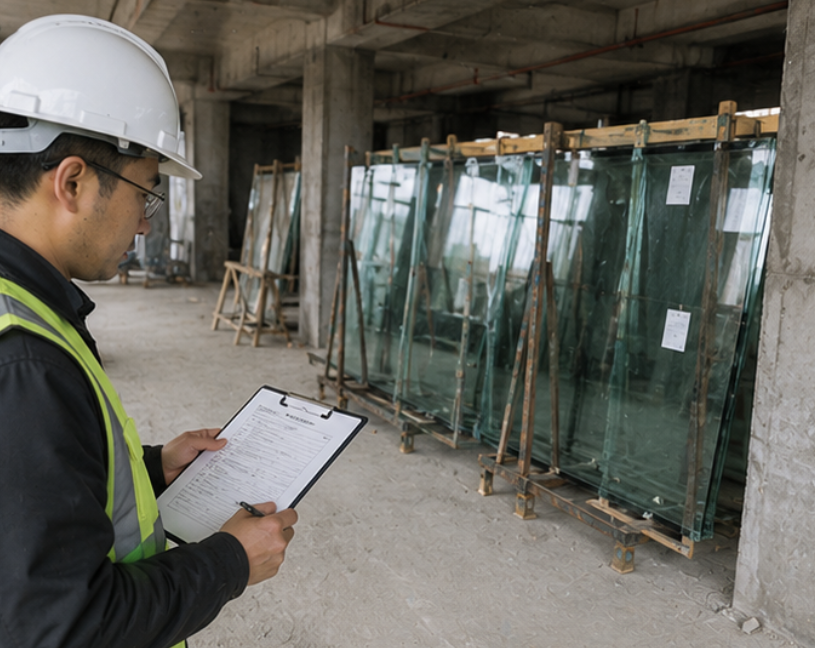
On site, the installation team should photograph the opening before installation, after frame fixing, after glass placement and after final adjustment. The photos should include label visibility, seal continuity, frame alignment, hardware position and any repaired wall areas. For doors, test self closing action several times and check whether the latch engages without forcing. For partitions, check joint lines and frame movement. For oversized glass, confirm lifting route, edge protection and final support condition. These records help the buyer answer inspector questions and protect the project if another trade later damages the opening.
Procurement advice for international buyers
International buyers should ask for a complete document package before shipment. A strong package normally includes product drawings, packing list, crate marks, certificate reference, installation notes, maintenance guidance and contact information for technical support. For repeat projects, keeping the same naming method for drawings, door marks, crate numbers and photos makes future orders easier to manage. When buyers need a quick comparison, they can review 1 hour fire glass, NanoFlam EL 60, fire resistant glass door systems, fire rated glass sliding door, fire rated glass certificates, fire resistant glass walls and partitions cases, packing and shipping process, technical support and then send a focused inquiry to PyroNano with the project drawings and schedule.
Summary for better project results
The main lesson is simple: confirm the system before confirming the order. Fire rated glass performance depends on the selected glass, compatible frame, correct hardware, tested seal method, site tolerance and installation sequence. A buyer who prepares these details early can reduce replacement risk, avoid wrong assumptions, improve approval speed and shorten project handover. For more options, continue with fire rated glass product range, fire resistant glass, fire rated glass, fire resistant glass door systems, fire resistant glass partition, fire rated glass certificates, product testing center, technical support and choose the product path that matches the required fire rating and installation scenario.