20 Key Questions Buyers Ask When Purchasing Fire Rated Glass for Curtain Wall Projects
In international curtain wall and facade projects, fire rated glass is far more than a decorative or transparent building material. It plays a critical role in fire compartmentation, occupant evacuation, thermal protection, and overall code compliance. For architects, facade consultants, contractors, and procurement teams, selecting the right fire rated glass means balancing safety performance, visual appearance, certification requirements, fabrication capability, and project delivery reliability.
For this reason, professional buyers rarely focus on price alone. They usually ask a series of technical and commercial questions before approving a supplier or product. If you are a manufacturer, exporter, or project supplier of fire rated glass, understanding these buyer concerns can help you position your products more effectively and win more qualified inquiries.
Below are the 20 key questions international buyers commonly ask when sourcing fire rated glass for curtain wall projects.
1. What fire rating does the glass provide?
The first question buyers ask is usually about fire resistance time. Common ratings include 30, 60, 90, 120, and sometimes 180 minutes. Different project zones require different levels of protection. Stairwells, escape routes, partitions, and facade interfaces may all have different code requirements. A buyer needs to know whether the glass can match the specific fire rating required by the project specification.
2. Is the glass rated as E, EW, or EI?
Not all fire rated glass performs in the same way. Some products only maintain integrity, while others also reduce heat radiation or provide thermal insulation. Buyers often want to clarify whether the product meets:
E: Integrity only
EW: Integrity with limited radiation
EI: Integrity plus insulation
For curtain wall and high-occupancy projects, EI-rated solutions are often preferred because they offer stronger protection during evacuation and reduce heat transfer to the non-fire side.
3. Which fire testing standards does the product comply with?
International buyers want to know which standards the product has been tested against. Depending on the target market, the required standard may vary. Buyers typically ask whether the fire rated glass complies with European, British, American, or other recognized testing systems. A product may perform well technically, but if the testing standard does not match the project jurisdiction, it may not be accepted.
4. Are there valid third-party test reports and certifications?
For engineering procurement, documentation matters as much as product claims. Buyers want to see valid third-party test reports, certification documents, and supporting technical files. They will usually check whether the reports are issued by recognized laboratories or certification bodies and whether the tested configuration matches the supplied product. A supplier that can provide clear, organized documentation usually gains more trust during the bidding and approval process.
5. Is the certification still valid for the current model and application?
Experienced buyers know that not every report can be used for every project. They often verify whether the certificate is still valid, whether it applies to the same glass thickness and structure, and whether the approved system matches the intended use. Some reports are limited to specific framing materials, installation methods, or maximum sizes. This is why a buyer will not only ask for certificates, but also review the scope carefully.
6. What type of fire rated glass is it?
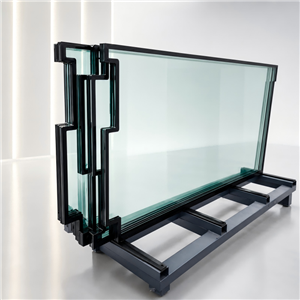
Buyers usually want to understand the product structure before making a decision. Fire rated glass may be monolithic, laminated, gel-filled, or based on other fire-resistant compositions. Each structure affects performance, cost, edge stability, weight, and optical quality. For a curtain wall project, this question is especially important because the glass must satisfy both fire safety and facade design requirements.
7. Does the glass provide insulation during fire exposure?
In many projects, blocking flames alone is not enough. Buyers also want to know whether the glass can control the temperature rise on the non-fire side. Insulated fire rated glass can reduce thermal transmission, improve escape safety, and protect adjacent spaces from extreme heat. This is a major decision factor for hospitals, commercial towers, transport terminals, and public buildings.
8. How stable is the glass under long-term use and fire conditions?
Fire rated glass must remain reliable not only in the laboratory, but also in actual building service conditions. Buyers may ask whether the glass is sensitive to humidity, edge damage, aging, delamination, or thermal stress. For large projects with long service lives, durability and stability are just as important as fire test performance. A supplier that can explain long-term reliability often stands out from competitors.
9. Does the glass also offer daily safety performance?
Curtain wall glass is exposed to normal building use long before any fire event occurs. Buyers therefore want to know whether the product also provides impact resistance, safe breakage behavior, and resistance to thermal shock in daily conditions. In many projects, fire rated glass is expected to combine passive fire protection with normal architectural glazing safety.
10. What is the visual quality of the glass?
For facade projects, appearance is always important. Buyers may ask about light transmittance, haze, color neutrality, and whether the glass has a green, yellow, or cloudy appearance. In premium curtain wall applications, low-iron or ultra-clear versions may be preferred to maintain a clean modern facade design. Even when fire performance is the main requirement, architects still expect good transparency and consistent visual quality.
11. What is the maximum available size?
Large facade panels are common in contemporary architecture. Buyers frequently ask about the maximum manufacturing size because design intent may depend on large-format glazing. If the fire rated glass has limited dimensions, the curtain wall layout may need to be redesigned with extra mullions or transoms, which can affect both appearance and cost.
12. What thickness options are available?
Thickness influences weight, framing design, transport, installation, and project budgeting. Buyers often compare different thicknesses based on the required fire rating and the structural needs of the facade system. Thicker glass may deliver higher fire performance, but it can also increase system load and installation complexity. Clear thickness data helps buyers evaluate feasibility early in the project.
13. Can the glass be customized?
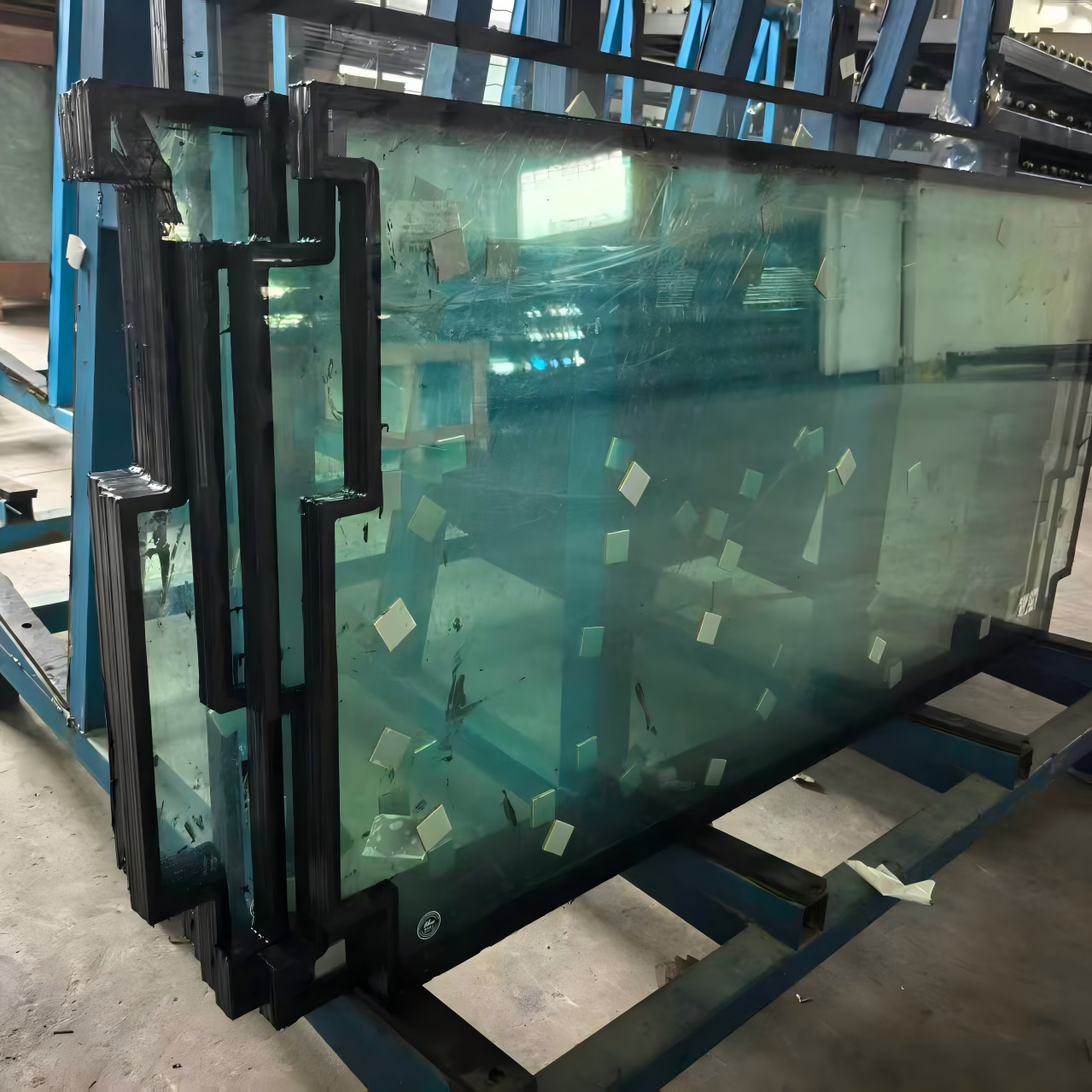
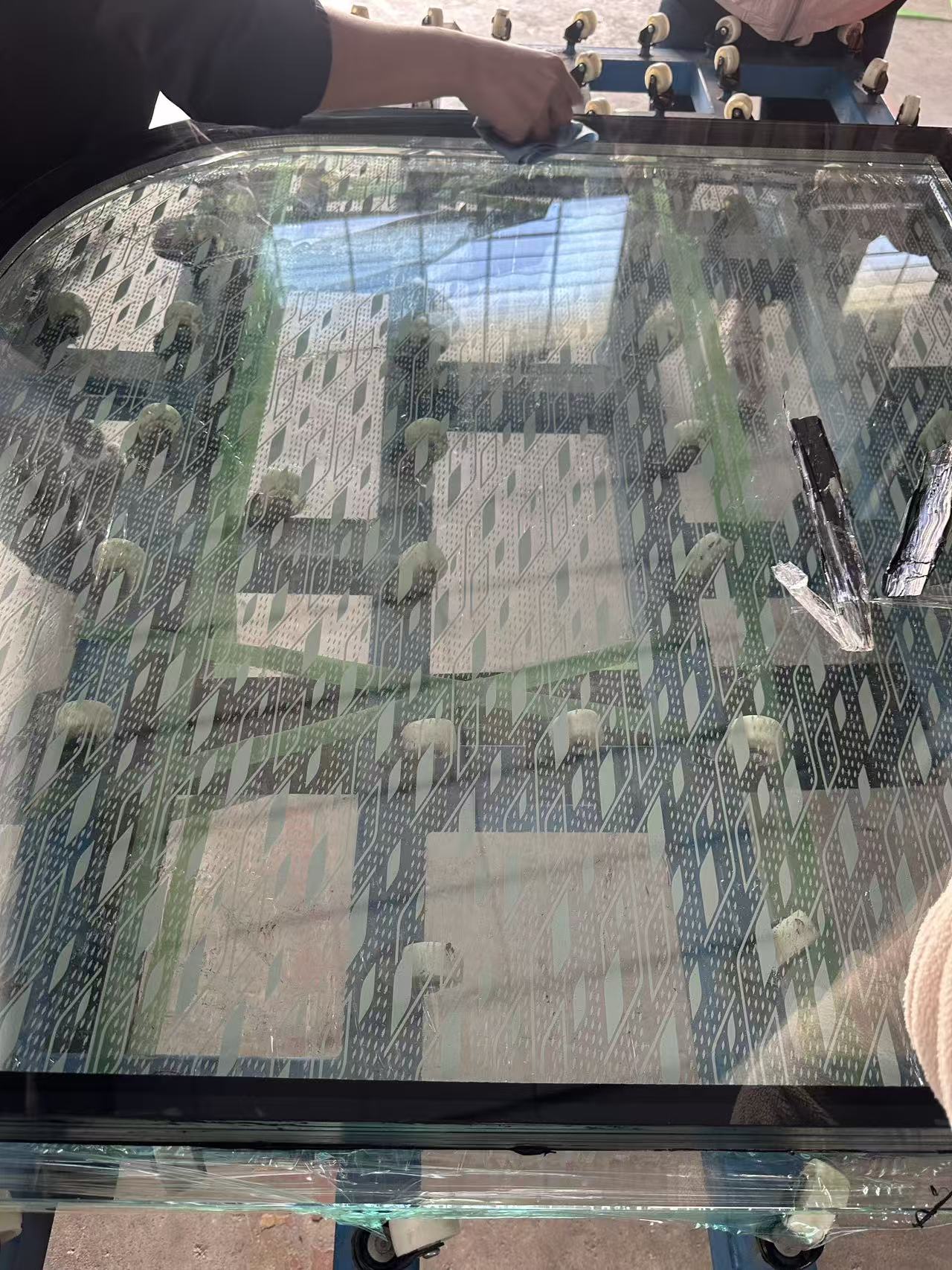
Most engineering projects are not purely standard products. Buyers may ask whether the glass can be fabricated in special shapes, cut to custom dimensions, processed with edge finishing, combined into insulated units, or integrated with decorative treatments. Customization capability is an important advantage for suppliers serving international curtain wall projects, especially when dealing with non-standard facade details.
14. Can it be integrated into curtain wall systems?
Buyers do not purchase fire rated glass in isolation. They need to know whether the glass can work within the full curtain wall assembly, including framing, gaskets, sealants, and anchoring systems. A product that is technically strong but difficult to integrate into facade systems may not be practical for real projects. System compatibility is therefore a major concern during specification and procurement.
15. Is the approval for the glass only, or for the complete glazing system?
This is one of the most important questions in real project procurement. Many buyers know that a fire test may apply not only to the glass, but to the complete tested assembly. This includes the frame, sealants, fixing method, edge cover, and installation details. A glass product that has only standalone material information may not be enough if the project requires a fully certified fire rated glazing system.
16. Which framing systems are compatible with this glass?
Buyers often want to know whether the product can be used with steel frames, fire rated aluminum systems, or other approved framing options. In curtain wall engineering, compatibility with the framing system affects both performance and installation. Suppliers that can recommend matched framing solutions or provide tested combinations usually have a stronger position in project negotiations.
17. What installation requirements must be followed?
Improper installation can compromise even a high-performance fire rated glass product. This is why buyers often ask about edge cover, glazing depth, support conditions, sealant requirements, tolerances, and approved installation methods. Clear installation guidance reduces on-site risk and helps contractors avoid mistakes that may affect fire performance or project acceptance.
18. Can the supplier provide technical drawings and project support?
International engineering buyers value suppliers who can support the project beyond material supply. They may ask whether the supplier can provide technical datasheets, shop drawings, typical section details, installation manuals, or selection recommendations. Technical responsiveness is especially important in facade and fire protection projects, where approval procedures can be complex and time-sensitive.
19. Can the supplier handle project-scale production and delivery?
A sample order is very different from supplying a full facade package. Buyers usually want to confirm production capacity, quality consistency, packaging standards, export experience, and delivery reliability. For large curtain wall projects, unstable lead time can delay site progress and create serious contractual pressure. A reliable delivery plan is often a major deciding factor.
20. What is the total project cost, not just the unit price?
Professional procurement teams do not evaluate fire rated glass based on square meter price alone. They consider the total project cost, including certification suitability, fabrication complexity, framing compatibility, packaging, shipping, breakage risk, site installation requirements, and after-sales support. In many cases, the cheapest glass is not the most cost-effective solution once all project factors are included.
Why these questions matter in international facade projects
For international buyers, choosing fire rated glass is a high-responsibility decision. The selected product must meet fire regulations, support facade performance, align with architectural appearance, and fit the project delivery schedule. In addition, documentation and technical support are often essential for consultant approval, contractor coordination, and final inspection.
That is why leading suppliers of fire rated glass for curtain wall applications should not only focus on product manufacturing. They should also prepare complete technical materials, explain system compatibility clearly, and respond quickly to project-specific requirements. Buyers are not simply choosing a material. They are choosing a reliable project partner.
Final thoughts
If you are sourcing fire rated glass for curtain wall projects, the best procurement decision comes from asking the right questions early. Fire rating, certification, insulation level, visual quality, maximum size, framing compatibility, installation requirements, and supplier support all affect whether the solution will perform successfully in a real building environment.
If you are a supplier, exporter, or manufacturer, addressing these 20 questions clearly on your website can improve buyer confidence, reduce repetitive inquiries, and help attract more qualified international leads.
A professional fire rated glass solution is not only about resisting fire. It is about delivering safety, compliance, engineering compatibility, and long-term project value.
Looking for a reliable fire rated glass supplier for curtain wall projects? Contact us for technical data, certification support, size options, and project-based recommendations.
Related product and article resources
For procurement comparison and technical evaluation, readers can continue with these related product pages and supporting articles.