Can Fire Rated Glass Be Customized in Size?
Can Fire Rated Glass Be Customized in Size?
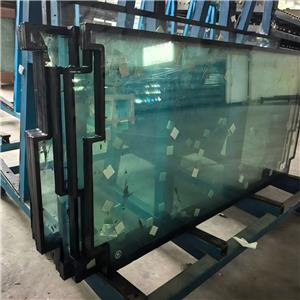
Yes, many suppliers offer custom sizes, but the maximum size depends on the product structure, fire rating, and tested system limitations. For buyers, size customization is not just about fabrication capability. It is about whether the requested dimensions are still valid within the approved fire-rated glazing system.
Custom Size Is Possible, But Not Unlimited
In international fire rated glazing procurement, buyers often ask whether the glass can be produced in custom sizes. The practical answer is yes. Many suppliers can fabricate fire rated glass to project-specific widths and heights. However, that flexibility always comes with technical boundaries. Unlike standard architectural glass, fire rated glass cannot simply be resized without considering the tested system scope, product structure, and fire classification.
For a procurement manager, the key issue is not whether the factory can cut the glass to a requested size. The real question is whether that requested size remains compliant with the product’s tested performance. In other words, the requested dimensions must fit not only the production line, but also the approved fire-rated glazing system.
Why Size Matters More in Fire Rated Glass
In ordinary glazing projects, larger or smaller panels are usually a matter of production capability, transport, and installation logistics. In fire rated glass, size has a much deeper effect because it is directly linked to how the glass behaves within the fire tested assembly. Glass dimensions influence edge retention, thermal stress, framing support, and the way the full system responds during fire exposure.
This is why buyers should understand that size customization is always controlled by documented limits. A supplier may technically be able to produce a larger panel, but if that panel exceeds the tested or approved maximum size, the glass may no longer be acceptable for the intended project. From a purchasing perspective, a custom size is only useful if it is still certifiable and submittal-ready.
Three Main Factors That Control Maximum Size
The internal composition of the fire rated glass, such as monolithic, laminated, gel-filled, or insulated constructions, affects how large the panel can be produced and still perform reliably.
Higher fire ratings usually require thicker and more complex glazing constructions, which often reduce the maximum achievable size or impose stricter system conditions.
The approved maximum size usually comes from the tested glazing system, including frame type, edge cover, sealants, and installation method, not from the glass panel alone.
What Buyers Should Ask Before Ordering a Custom Size
Buyers should never assume that “customizable” means “any size is acceptable.” In a real engineering project, the safest approach is to verify the requested dimensions against both the product data and the tested assembly limits. This is especially important for large facade panels, vision areas in fire doors, partitions, and curtain wall applications where design dimensions are often ambitious.
Why the Tested System Limitation Is So Important
In fire rated glazing, the maximum size is often a system limitation rather than a factory limitation. This is a crucial distinction for procurement teams. A manufacturer may have the equipment to process a larger pane, but the project consultant or authority may only accept dimensions that fall within the tested range of the approved glazing system.
This is particularly relevant when buyers are sourcing fire rated glass for curtain walls or facade applications. The approved size may depend on frame depth, edge support, pressure retention, gasket performance, and thermal behavior during the fire test. If the requested panel exceeds the documented range, the supplier may need to propose a different system, reduce the glass size, or redesign the opening.
Oversize Requests Often Trigger Redesign
One of the most common issues in facade and partition procurement is that the architect’s desired vision size exceeds the tested limit of the fire rated system. When that happens, the buyer usually has three options: reduce the panel size, change to another fire rated glazing system, or modify the framing layout with additional mullions or transoms.
From a commercial standpoint, it is better to identify this limitation early rather than after fabrication planning begins. Early verification prevents approval delays, pricing changes, and coordination problems with the facade contractor or general contractor.
Common Mistakes Buyers Should Avoid
Requesting a custom panel based only on design preference without checking the tested maximum size.
Assuming the same glass type has the same size limit across all fire ratings.
Ignoring the effect of frame type and installation method on allowable dimensions.
Comparing suppliers by price before confirming whether the offered custom size is document-supported.
Overlooking transport, handling, and site installation constraints for large fire rated panels.
Final Recommendation for Buyers
Yes, many suppliers offer custom sizes for fire rated glass, but the maximum size depends on the product structure, fire rating, and the limitations of the tested glazing system.
Buyers should always verify custom dimensions against approved documentation, not just factory capability. A custom size only becomes a safe procurement choice when it is manufacturable, supportable, and still fully compliant for the intended project application.
Need Help Checking a Custom Fire Glass Size?
Send us your required opening size, fire rating, frame type, and application. We can help review whether the requested dimensions fit within a suitable tested fire-rated glazing system.