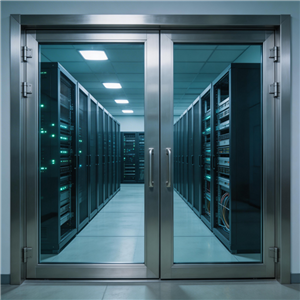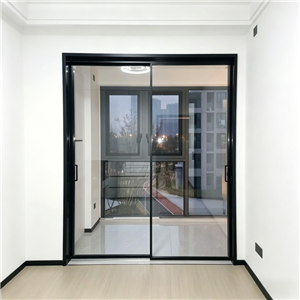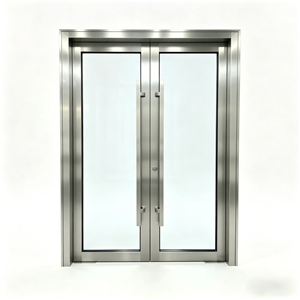
Enhancing Hospital Safety with Fire-Rated Glass Partitions and Doors
The Critical Role of Fire Compartmentation in Complex Healthcare Environments
Hospitals are among the most complex and vulnerable building types, requiring a unique approach to life safety. They operate 24/7, house immobile and vulnerable patients, contain critical medical equipment, and often have intricate layouts with high-density occupancy. In this context, effective fire compartmentation is not merely a code requirement; it is a fundamental strategy for defend-in-place protection, where containing a fire at its source is paramount to avoid the catastrophic risks of full-scale evacuation. Traditional solid walls, while effective as barriers, can create isolated, confined spaces that hinder staff visibility, patient monitoring, and the overall flow of light—a key element for patient well-being and staff efficiency. Pyronano’s fire-rated glass partitions and doors provide a transformative solution. They establish certified fire and smoke barriers that compartmentalize corridors, wards, waiting areas, and service zones, effectively slowing the spread of fire and toxic smoke. This allows for extended, safer protected horizontal evacuation (moving patients to an adjacent safe compartment) and provides crucial time for emergency responders. By replacing opaque walls with transparent ones, these systems maintain the visual connectivity essential for continuous patient observation and staff coordination, turning passive fire protection into an active safety asset that supports the operational heart of healthcare delivery.
Engineered for the Healthcare Setting: Performance Beyond Standard Ratings
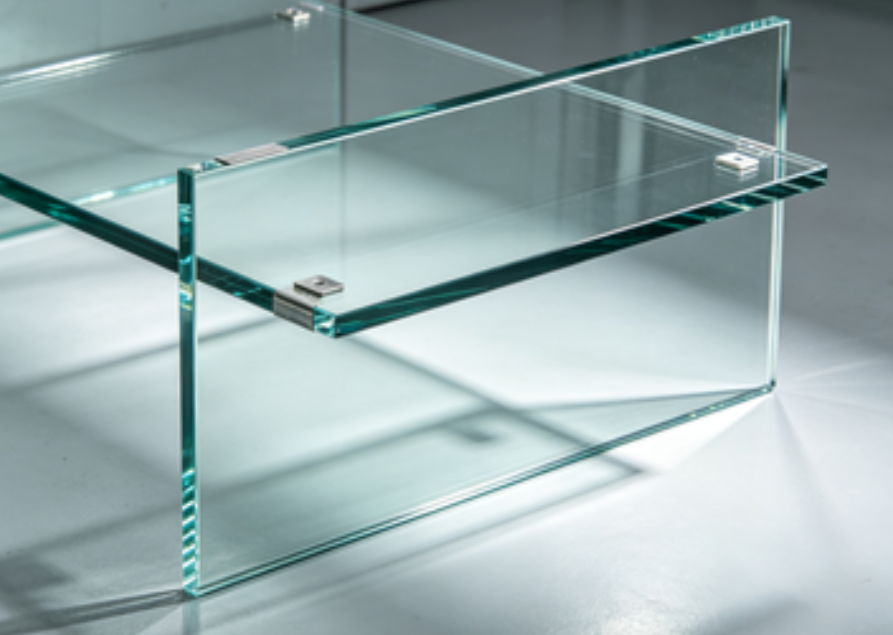
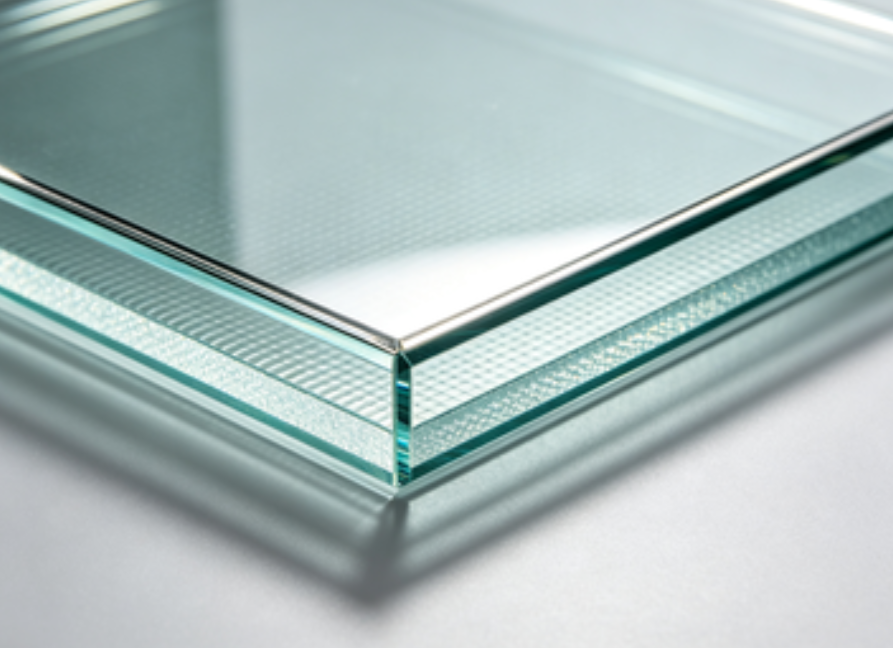
Fire-rated glazing in a hospital must meet exceptionally high performance standards tailored to the unique risks of the environment. Pyronano’s systems are engineered to deliver this specialized protection. The core of the solution lies in EI-rated glass (Integrity and Insulation). In a fire, the intumescent interlayer within the laminated glass expands to form an opaque, insulating barrier. This thermal insulation (I-rating) is critical in healthcare, as it prevents the transfer of radiant heat to adjacent compartments. This protects not only evacuees but also sensitive medical equipment, oxygen lines, and prevents the ignition of combustible materials in neighboring areas. Furthermore, the integrity (E-rating) ensures that flames, smoke, and noxious gases are contained, maintaining tenable conditions in escape routes. For high-traffic areas like main corridors, double-leaf fire-rated glass doors provide wide, accessible openings for moving beds and equipment without compromising the fire barrier. In areas requiring higher security or noise control, such as pharmacies or administrative zones, fire-rated glass partitions can be specified with added acoustic performance. Crucially, all hardware—closers, hinges, and panic devices—is designed for heavy-duty, frequent use and reliability. The systems comply with stringent international standards (such as EN, BS, or ASTM), ensuring they are not just transparent walls, but predictable, code-compliant life safety components for the most demanding of settings.
Creating a Healing Environment: The Holistic Benefits of Transparency
Beyond core fire safety, the strategic use of fire-rated glass profoundly enhances the overall hospital environment, directly contributing to patient care and staff effectiveness. Natural light penetration is a well-documented therapeutic tool, reducing patient stress, aiding circadian rhythms, and improving outcomes. Glass partitions allow this vital daylight to reach deep into interior corridors and rooms, creating a more pleasant and healing atmosphere. The visual openness significantly reduces the isolating, claustrophobic feeling often associated with clinical settings for both patients and staff. Nurses at central stations can maintain clear sightlines down corridors and into rooms, enhancing patient observation and response times. The transparency also aids in wayfinding for visitors and reduces disorientation. In mental health facilities, secure yet transparent partitions can provide a safer environment by allowing observation without creating undue provocation. From a design perspective, these systems enable modern, clean aesthetics that convey hygiene and calm. By specifying Pyronano’s fire-rated glass solutions, hospital planners and architects can satisfy the most rigorous life-safety codes while simultaneously promoting a patient-centered design that supports healing, operational efficiency, and a humane, stress-reduced environment for all occupants.
In summary, integrating Pyronano’s fire-rated glass partitions and doors into hospital design represents a holistic upgrade to facility safety and functionality. It masterfully addresses the non-negotiable need for rigorous fire compartmentation while unlocking the significant secondary benefits of visual connectivity, natural light, and patient-centered design. This approach transforms fire barriers from obstructive necessities into integrated assets that actively support the healing mission, proving that in healthcare architecture, the safest environments can also be the most humane, transparent, and conducive to well-being.