How Architects Choose Between Framed and Frameless Systems
How Architects Choose Between Framed and Frameless Systems
The Core Dichotomy: Aesthetic Purity vs. Structural Expressiveness
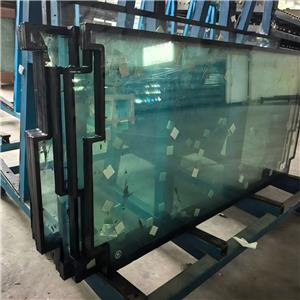
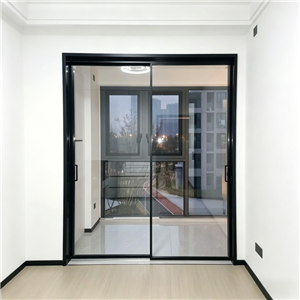
The primary decision between framed and frameless fire-resistant glass systems hinges on the architectural vision for a space. Frameless systems, utilizing technologies like butt-joints and minimalistic fixings, are engineered to maximize transparency and create a seamless visual flow. They are the preferred choice in applications where the goal is to maintain an open, unobstructed feel, such as in corporate lobbies, luxury retail stores, or high-end offices where the glass itself acts as an almost invisible barrier. The fire protection is integrated into the glass laminates and the nearly invisible joint details. Conversely, framed systems incorporate purpose-engineered profiles, typically made of steel or aluminum, which visibly delineate the glass panels. These frames can be designed to be slim and modern but are inherently expressive. Architects often choose framed systems when the design intent includes defining spatial zones clearly, complementing other architectural elements like metalwork or wood, or when a more pronounced structural aesthetic is desired. The frame becomes an integral part of the interior design language.
Technical Considerations: Performance, Span, and Integration Complexities
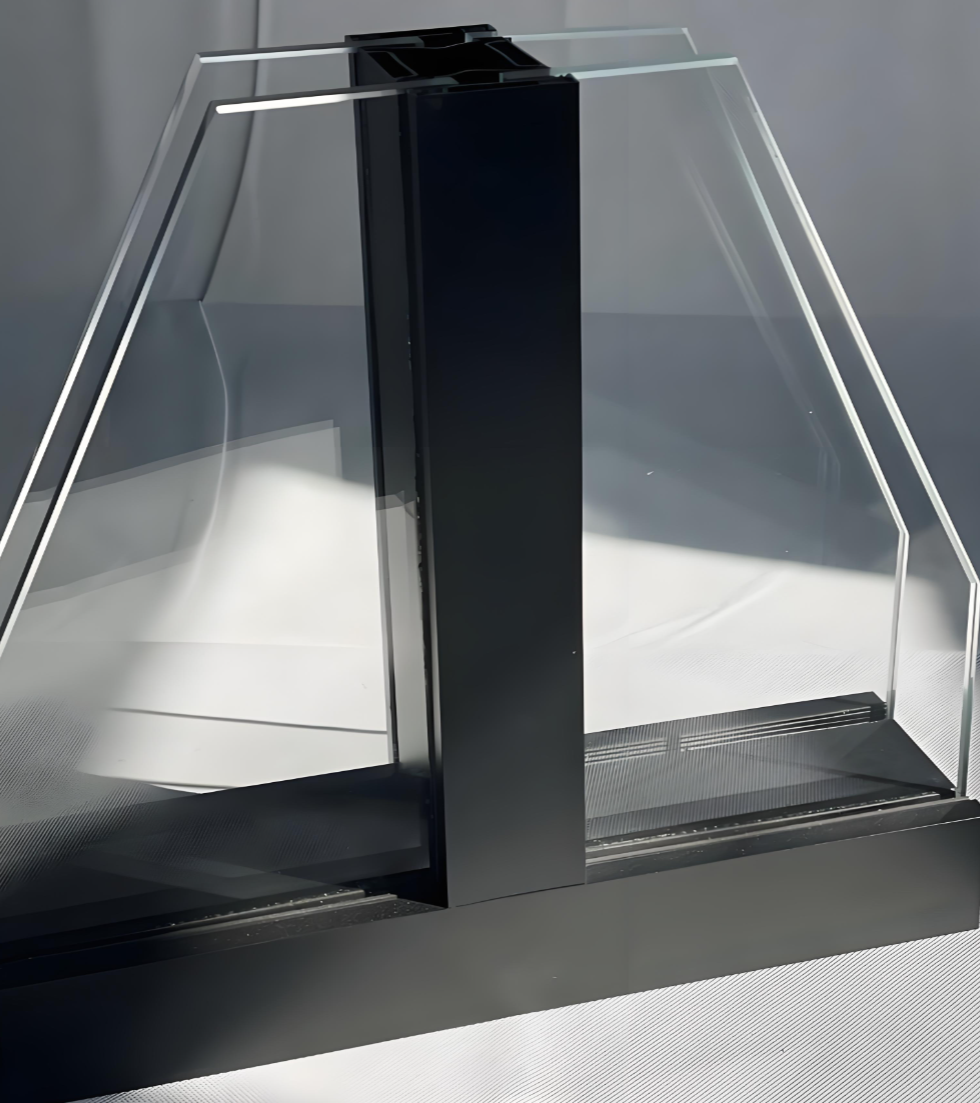
Beyond aesthetics, the choice is heavily influenced by technical performance requirements and practical constraints. Framed systems are inherently robust, making them suitable for larger spans, higher fire ratings (e.g., EI120), and applications requiring enhanced structural stability, such as in high-traffic areas or load-bearing partitions. The frame provides a clear and tested pathway for managing intumescent seals around the entire perimeter, ensuring reliable performance. Frameless systems, while achieving impressive ratings like EI60, often have more stringent limitations on maximum panel sizes and require extreme precision in installation to ensure the butt-joints and minimal fixings perform correctly under fire conditions. Furthermore, integrating doors within a frameless system is more complex and often requires specialized, nearly invisible hardware. Architects must consult with technical experts like PyroNano early in the design phase to assess factors such as required fire rating, maximum glass panel dimensions, movement tolerance, and the feasibility of integrating doors or other functional elements into the desired system.
Cost, Code, and Context: The Project-Specific Decision Matrix
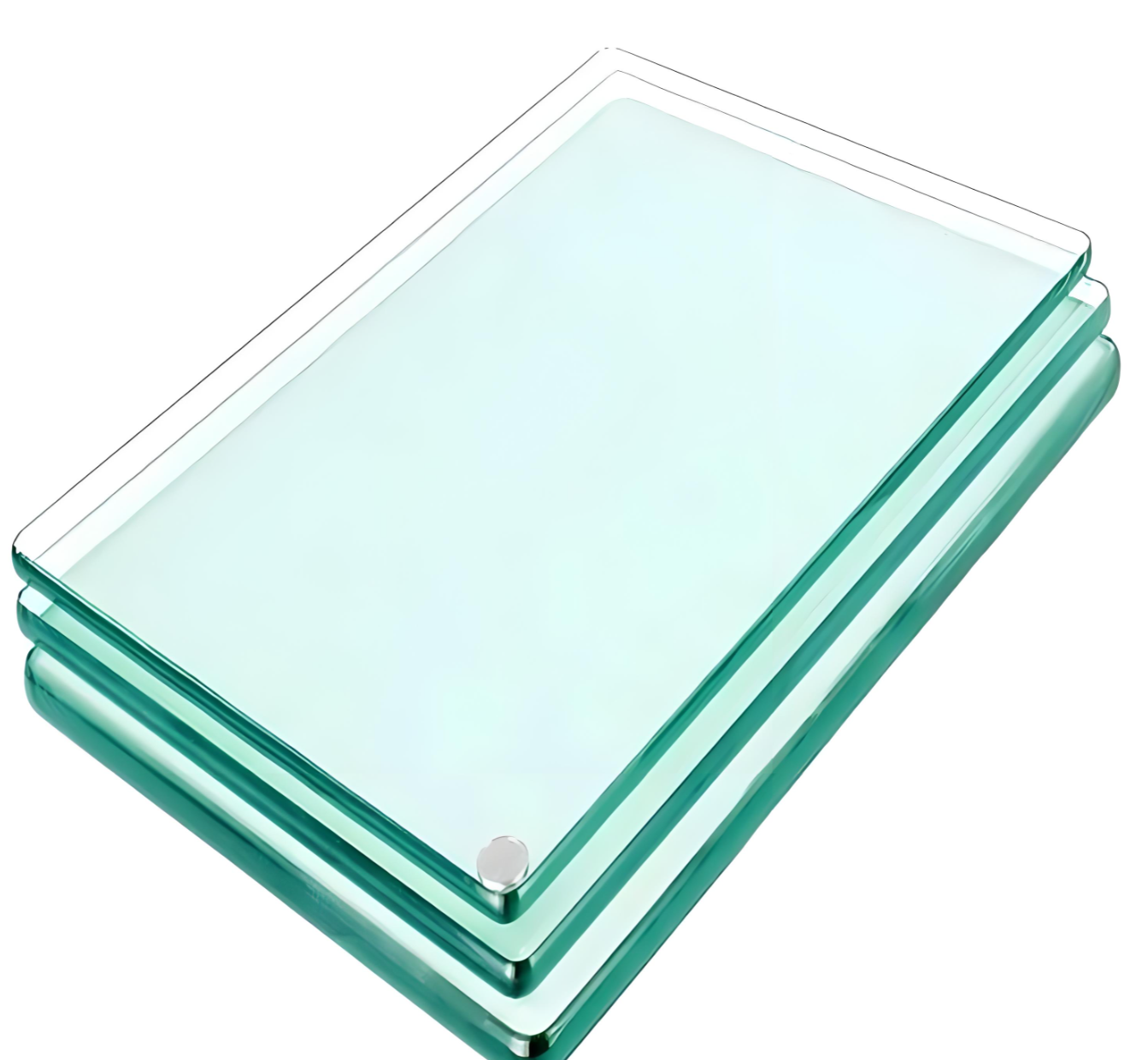
The final selection is often a balance of budget, regulatory context, and the specific use case of the space. While framed systems generally have a lower initial product cost and can be more straightforward to install, frameless systems command a premium due to their advanced engineering, precision manufacturing, and complex installation requirements. However, the investment in a frameless system can be justified by the high-value aesthetic it delivers, which can be a key differentiator for corporate headquarters or luxury developments. Building codes also play a critical role; some jurisdictions may have specific requirements for the visibility of fire barriers, which could influence the choice. For instance, in a heritage building, a discreet frameless system might be mandated to preserve the architectural character, whereas in an industrial setting, the robust expression of a steel-framed system might be more appropriate. Ultimately, the choice is not a matter of one system being superior, but of identifying the optimal tool for the project's unique combination of design ambition, performance needs, and practical constraints.
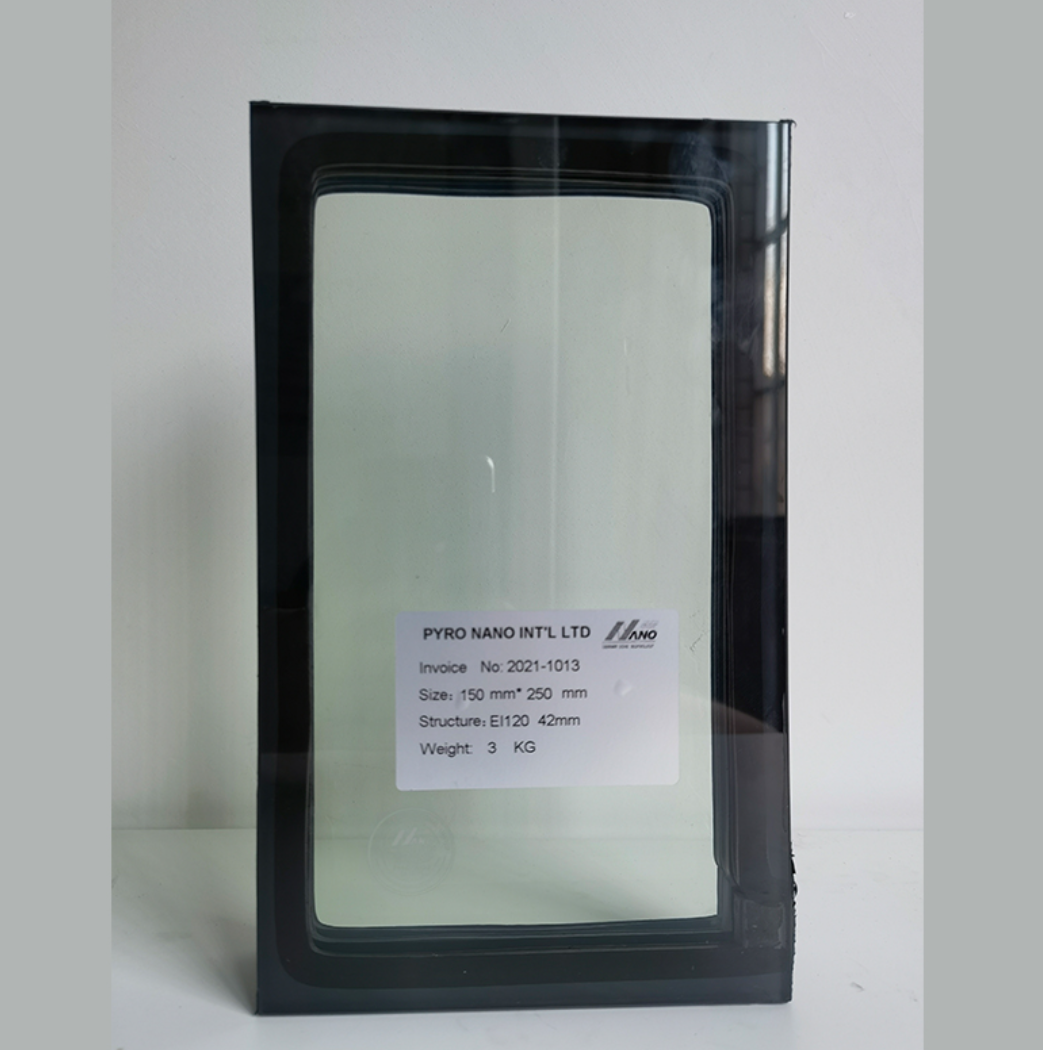
The decision between framed and frameless fire-resistant glass systems is a fundamental architectural choice, balancing the desire for visual openness against the demands of technical performance, budget, and context. By understanding the distinct advantages and limitations of each, and engaging with technical specialists early, architects can make an informed decision that perfectly aligns with the project's overall vision, ensuring both stunning aesthetics and certified safety.