How Do We Balance Fire Performance And Visual Design In Modern Glass Projects?
Modern Projects Need Both Safety And Transparency
In modern architectural projects, fire rated glass is no longer selected only for protection. It is also expected to support open layouts, visual continuity, and refined commercial design. Buyers are increasingly looking for solutions that can satisfy both safety requirements and architectural expectations without forcing a compromise that weakens either side.
This creates a real procurement challenge. Some fire rated glass solutions offer strong fire performance but may feel visually heavy, with thicker assemblies or more visible framing. Others may create a cleaner appearance but operate within narrower system limits or different application conditions. The right decision depends on how the building is meant to function and how design goals interact with code requirements.
A professional supplier helps buyers understand that balancing fire performance and visual design does not mean choosing one over the other. It means selecting a solution where fire rating, certified size, frame design, and transparency all work together. In this way, safety becomes part of the architectural concept rather than an obstacle to it.

The Right Balance Depends on System Choice and Application Context
The ability to balance performance and design depends heavily on system selection. Fire rated glass should never be evaluated in isolation. The frame profile, glazing details, panel proportions, and installation method all influence both visual appearance and tested fire behavior. That is why the same glass product may look and perform very differently depending on the system it is used in.
For example, an office partition project may prioritize larger glazed areas and cleaner sightlines, while a public corridor or exit route may need more visible system robustness and stricter technical margins. In some projects, buyers may prefer a more minimal aesthetic, but the selected system must still stay within certified conditions and installation limits. If design decisions push too far beyond system capability, the result may be approval risk or compromised practicality.
Experienced suppliers help buyers compare systems not only by fire performance, but by how they support architectural goals in the intended space. This includes helping define where a design-led approach is realistic, where a stronger technical structure is necessary, and how to align both without unnecessary compromise.
Better Design Balance Creates More Value for Buyers and End Users
When fire performance and visual design are balanced correctly, the project gains more than compliance. It gains stronger commercial value, better user experience, and improved long-term satisfaction. Buyers are not only responsible for meeting fire regulations. They are also responsible for supporting the building’s function, image, and usability.
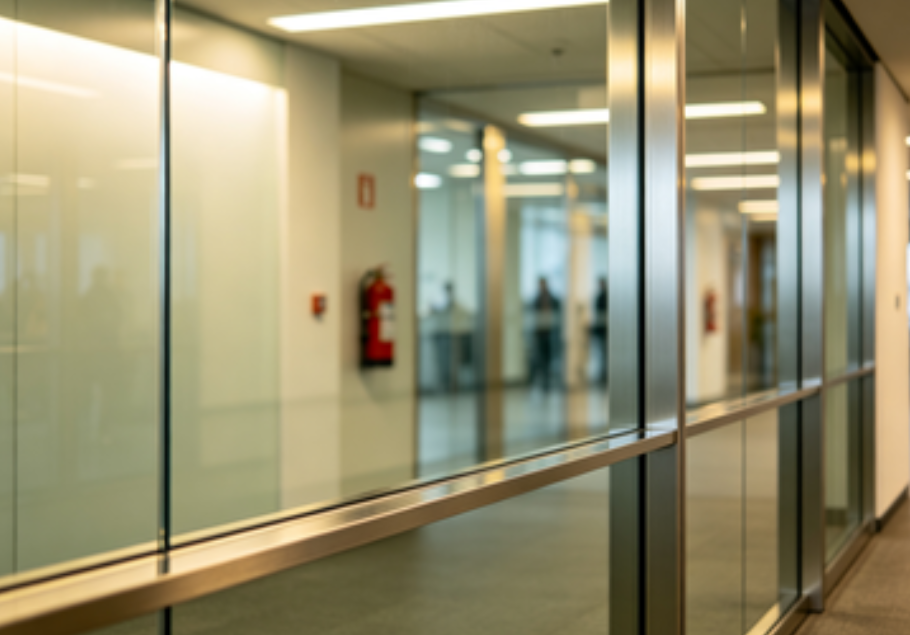
In commercial interiors, hospitality projects, corporate environments, and public buildings, visual openness often affects how the space feels and how it is used. A well-chosen fire rated glass system can preserve transparency, maintain natural light flow, and support a higher-end design language while still protecting the building according to code. This makes the fire safety system feel integrated, not imposed.
A strong supplier supports this process by treating fire glass as both a technical and architectural element. They help buyers evaluate which solutions offer the most appropriate balance for each area, reducing the risk of overspecifying, underdesigning, or creating visual conflicts. That leads to better project results and greater procurement confidence.
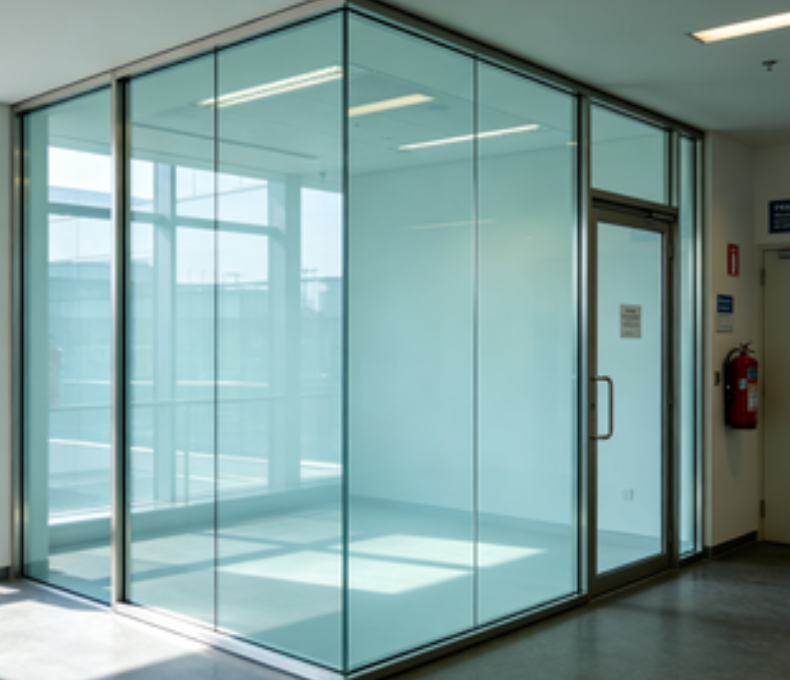
Balancing fire performance and visual design in modern glass projects requires a project-based approach that considers application, system selection, certification limits, and architectural priorities together. For international buyers, the best fire glass solution is not one that favors design over safety or safety over design, but one that integrates both successfully.