How Do We Ensure Fire Rated Glass Compatibility With Different Frame Systems?
Fire Rated Glass Must Work as Part of a Complete System
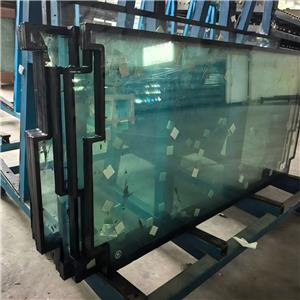
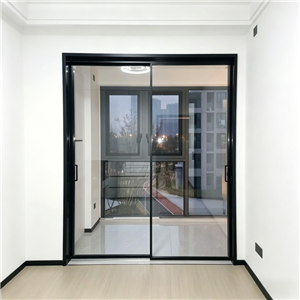
In real fire protection applications, fire rated glass is never used alone. It always functions as part of a complete system that includes the frame, sealants, fixing components, and installation structure. This means that compatibility between the glass and the frame system is critical to overall performance.
Even if a glass panel has passed fire testing, its performance can change when combined with a different frame system. Different frame materials—such as steel, aluminum, or specialized fire-resistant profiles—expand differently under heat. If the frame does not match the tested configuration, it may deform, transfer stress unevenly, or compromise the sealing integrity during a fire.
From a procurement perspective, compatibility is not just about whether the glass fits physically into the frame. It is about whether the entire system has been proven to work together under fire conditions. That is why professional buyers evaluate fire rated glass together with its compatible frame systems rather than treating them as separate components.
Certification Defines Which Frame Systems Are Compatible
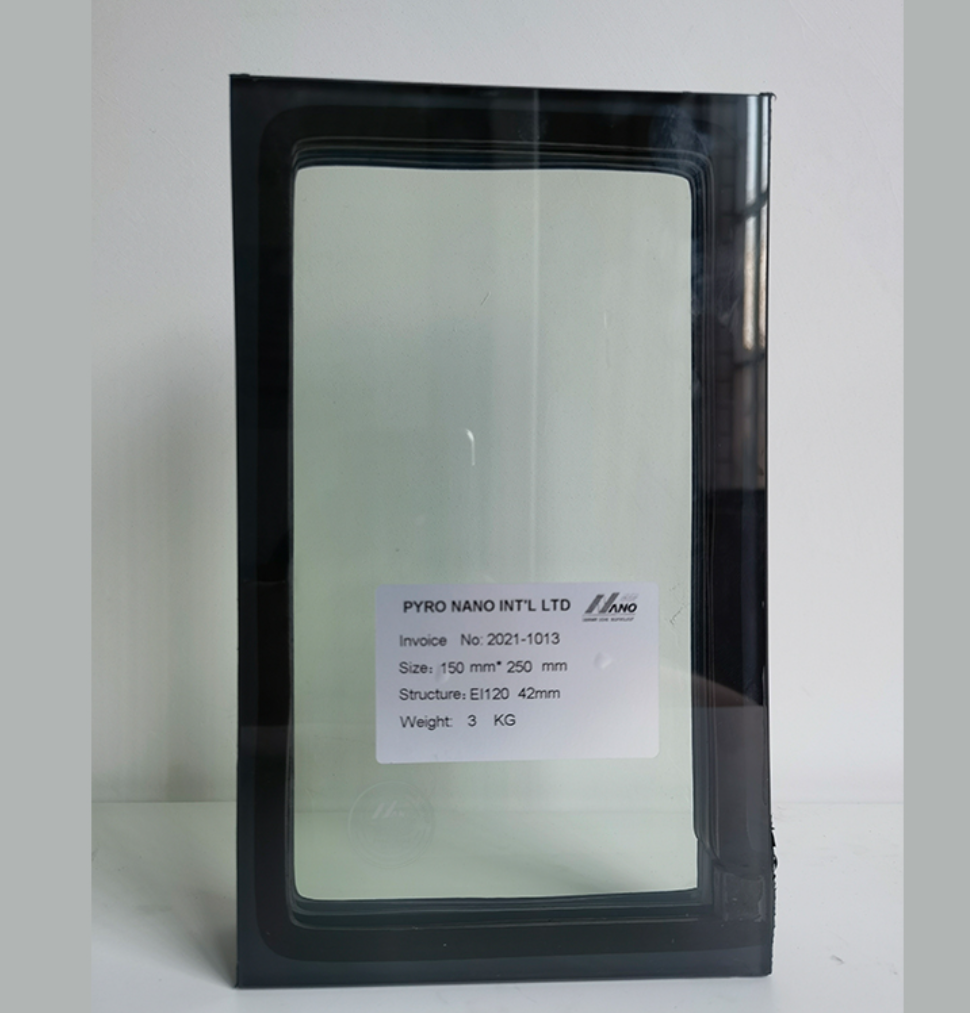
One of the most important ways to ensure compatibility is through system certification. Fire rated glass is typically tested together with specific frame systems, sealants, and installation methods. These tested combinations define which configurations are approved for use in real projects.
Buyers should confirm:
Whether the glass has been tested with the intended frame system
What frame materials and profiles are included in certification
Approved installation methods and fixing details
Limitations on panel size within the system
If a different frame system is used outside the tested configuration, the fire resistance performance may no longer be valid. This creates a significant risk during project approval and inspection.
A reliable supplier provides clear guidance on which frame systems are compatible and which configurations are certified. Instead of leaving buyers to interpret test data alone, they translate certification into practical recommendations that can be applied directly in the project.
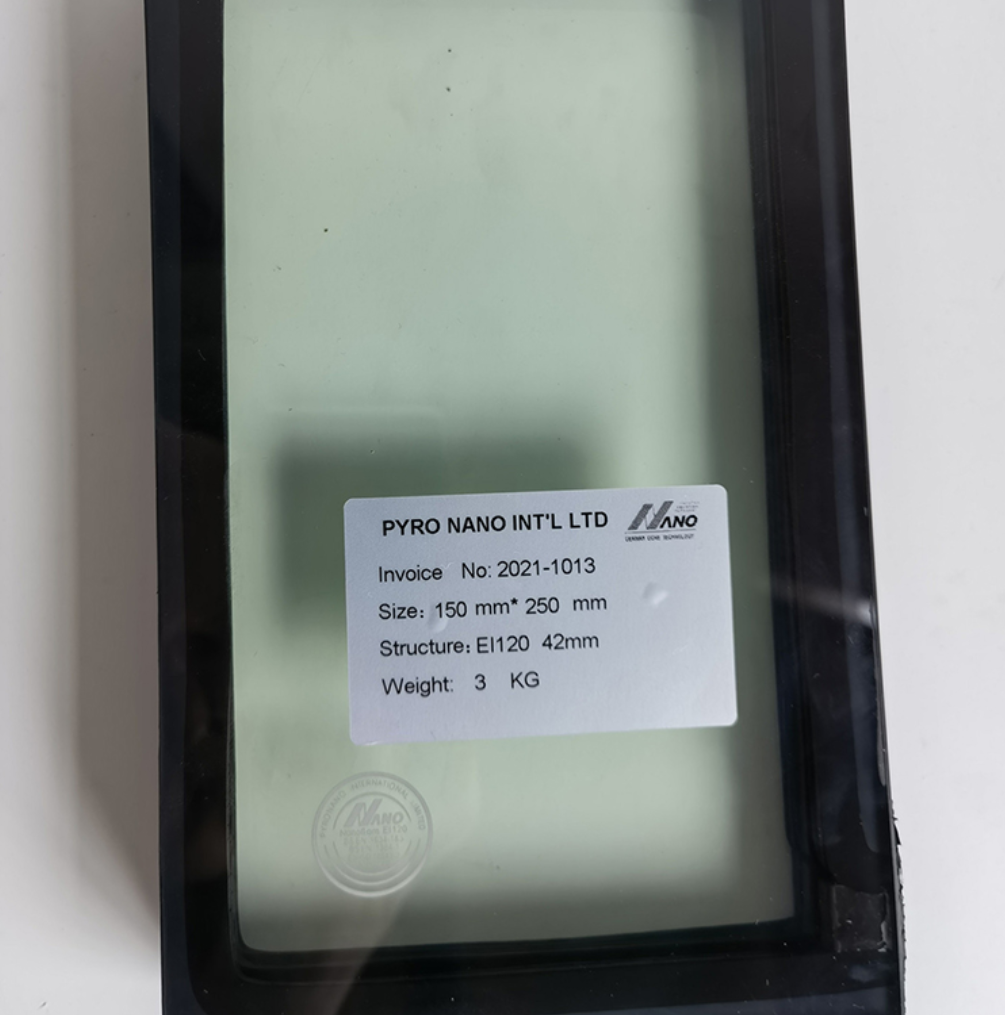
Practical Compatibility Requires Project-Level Coordination
Beyond certification, real compatibility also depends on how well the system is coordinated during project execution. Even a certified glass and frame combination can face issues if installation, handling, or project planning is not properly managed.
Key practical factors include:
Alignment between design drawings and actual frame systems
Clear communication of installation requirements
Proper labeling of glass panels for different areas
Coordination between supplier, contractor, and project team
For example, if the installed frame differs from the specified system, or if installation methods are not followed correctly, compatibility problems may arise during inspection or use. In large projects, even small inconsistencies between batches or areas can create complications.
A strong supplier supports buyers by ensuring that compatibility is maintained from design to delivery and installation. This includes technical consultation, documentation support, and coordination throughout the project lifecycle.
Ensuring fire rated glass compatibility with different frame systems requires a combination of certified system selection and careful project coordination. For international buyers, this means evaluating glass and frame together, verifying tested configurations, and maintaining alignment throughout installation.
By focusing on system compatibility rather than individual components, buyers can reduce risk, improve compliance, and ensure reliable performance in real applications.