How to Choose the Right Fire-Resistant Glass Door for Your Project
How to Choose the Right Fire-Resistant Glass Door for Your Project
Define Your Project's Fire Protection Requirements: The Foundation of Selection
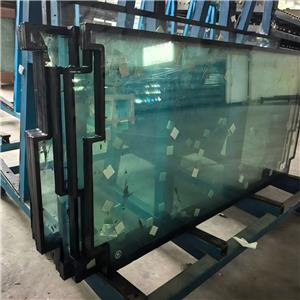
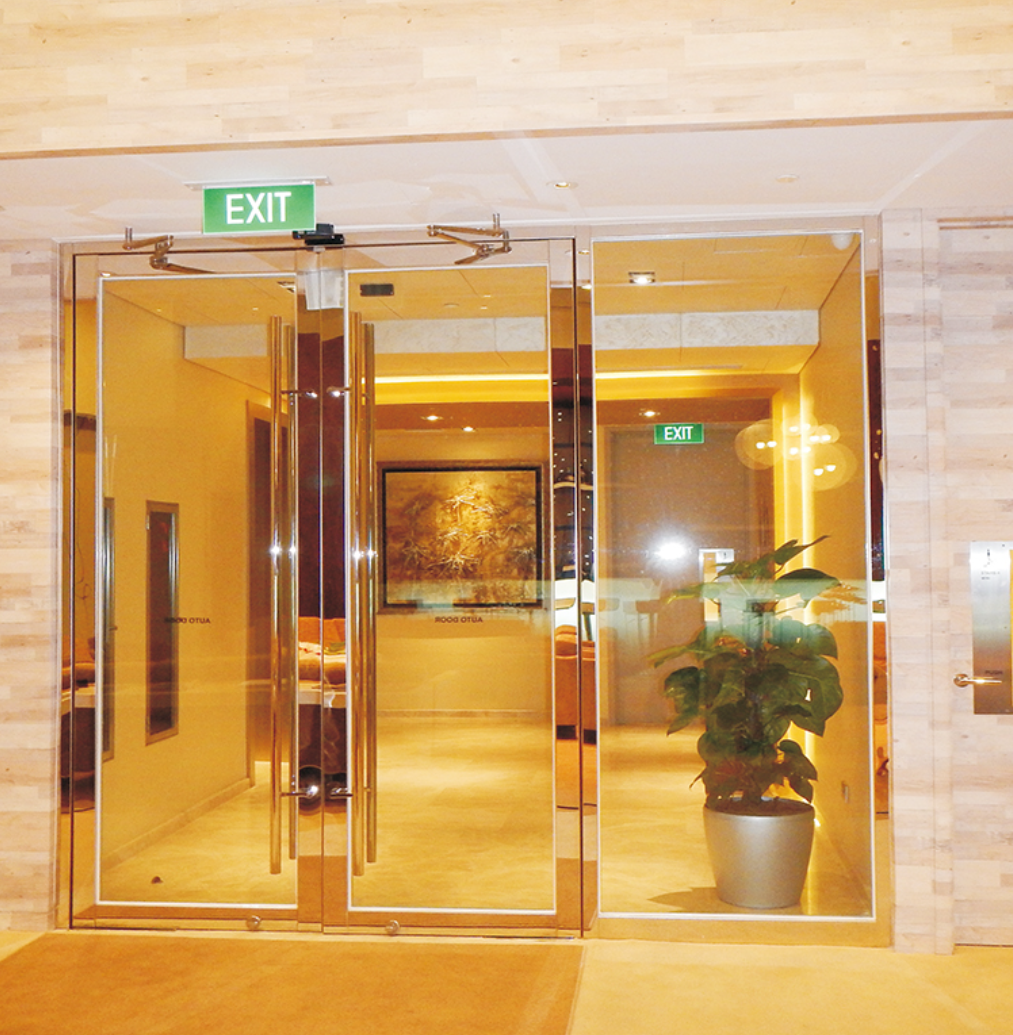
Selecting the correct fire-resistant glass door begins with a thorough understanding of your project's specific fire protection requirements. This is dictated primarily by local building codes and regulations, which mandate the necessary fire resistance rating (e.g., 30, 60, 90, or 120 minutes) for doors based on their location and purpose. Common classifications are E Integrity (prevents flames and hot gases) and the more demanding EI Insulated Integrity (also prevents heat transmission). Determine the required rating for your specific application: a door leading to a stairwell in a commercial building will likely need a higher EI rating than an internal office door. The fire rating is the most critical performance criterion. Also, consider the door leaf configuration – single leaf or double leaf? Double-leaf doors are essential for wider openings and must be equipped with coordinated closing hardware. The door size and the need for fire-rated vision panels (sidelights or transoms) also influence the system choice. Consulting with a fire safety engineer or the technical team at a manufacturer like PYRONANO during the design phase is invaluable to ensure all regulatory and safety boxes are ticked before moving to aesthetics.
Consider Design, Functionality, and Material Specifications
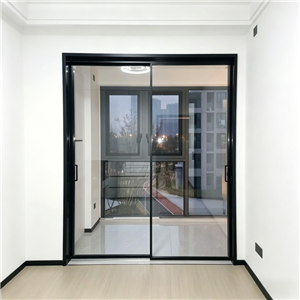
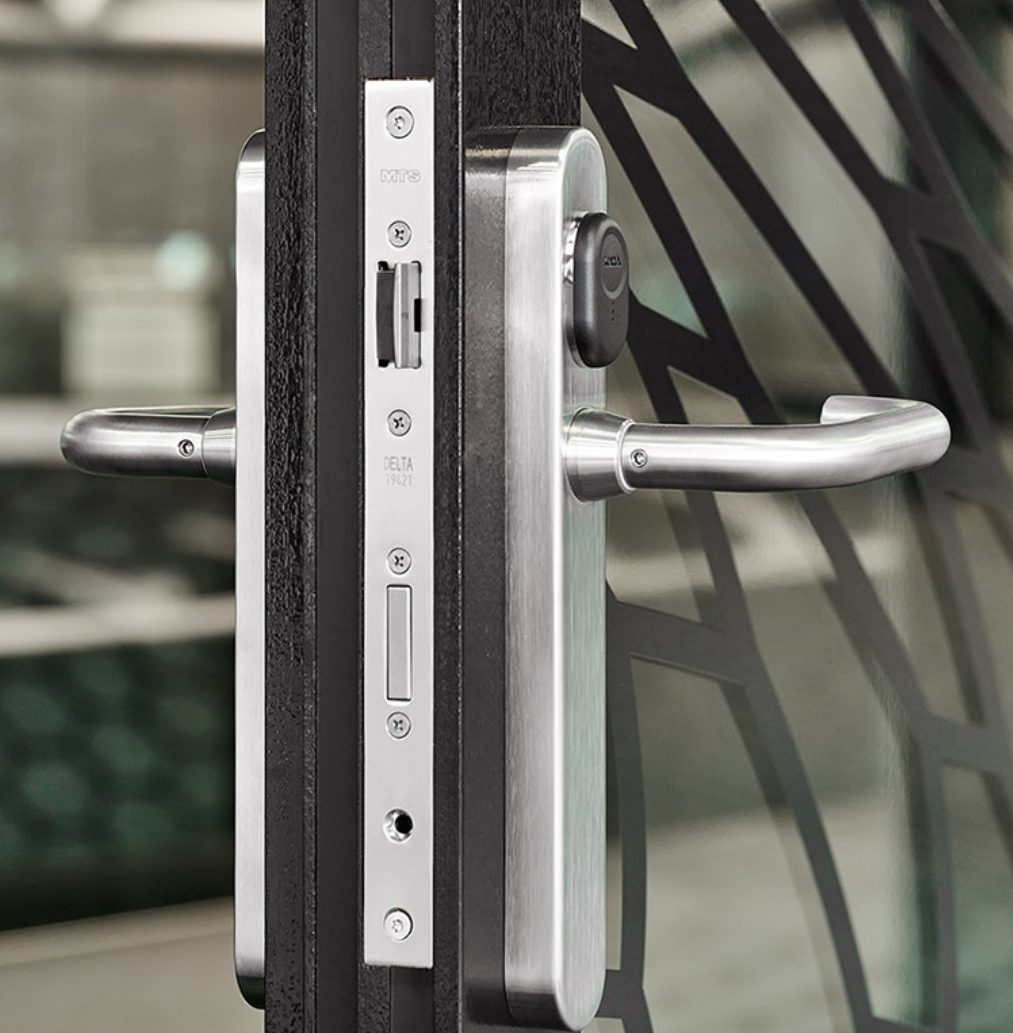
Once the fire performance criteria are established, the next step is to balance safety with design aesthetics and door functionality. This involves several key choices. First, decide on the glass type and clarity. Do you need perfectly clear, high-transparency glass for unobstructed views, or is a tinted or patterned glass acceptable? The door's frame material is crucial; steel frames offer superior strength for high-rating doors, while specially designed aluminum frames provide a sleeker, more architectural look. Consider the door hardware: the hinges, locks, door closers, and panic bars must all be fire-rated and compatible with the selected system. For high-traffic areas, durability is key. The opening action (swing, sliding, or even pivoting) and the desired level of access control integration (e.g., with electronic locks or card readers) must be factored in. Furthermore, assess if the door assembly needs to provide additional performance, such as sound insulation (Acoustic Rating) or enhanced security features. Reputable manufacturers like PYRONANO offer a range of compatible components, from minimalist frameless systems to robust steel frames, allowing you to tailor the door to the building's aesthetic and functional demands without compromising the certified fire rating.
Evaluate the Supplier's Technical Support and System Assurance
The final, and often overlooked, step is evaluating the supplier and the system they provide. A fire-rated door is only as reliable as its certification and installation. Choose a specialized manufacturer like PYRONANO that provides tested and certified complete door assemblies, not just the glass. Request the official fire test reports (e.g., to BS, EN, UL standards) that prove the entire assembly—glass, frame, seals, and hardware—has been tested together and meets the claimed rating. Assess the supplier's technical support; can they provide detailed technical drawings, specification guidance, and on-site support? Inquire about the availability of compatible components, such as matching fire-rated frames and seals, to ensure system integrity. Finally, verify their delivery and installation process. Professional installation by trained technicians is non-negotiable to maintain the certification. A supplier that offers a comprehensive package—from product specification and certification support to logistics and installation guidance—ensures the door performs as a cohesive, life-saving barrier, giving you peace of mind that your project is both safe and compliant.
Choosing the right fire-resistant glass door is a systematic process that moves from non-negotiable safety codes to aesthetic and functional preferences, all underpinned by the credibility of the supplier. It requires a clear definition of the required fire rating, a careful balance of design and performance needs, and a partnership with a manufacturer that provides certified systems and reliable support. By following this structured approach and collaborating with experts like PYRONANO, you can specify a door that not only meets the stringent demands of fire safety but also enhances the architectural vision and daily functionality of your space, ensuring protection without compromise.