How To Evaluate Our Fire Rated Glass Solutions Beyond Price
Compliance And System Fit Matter More Than A Low Unit Price
For international buyers, the lowest quotation is rarely the safest decision. Fire rated glass is not a standard commodity that can be judged by price alone. In real construction projects, the value of a supplier depends first on whether the solution can meet local building codes, fire test requirements, and application-specific system needs. A low unit price becomes meaningless if the product fails approval, does not match the required fire rating, or cannot be integrated correctly into the project structure.
Professional buyers usually start by asking whether the fire rated glass solution matches the actual project environment. This includes the fire classification required, the system type, the maximum approved panel size, the compatibility of frames and sealants, and whether the installation method aligns with the tested configuration. These factors have a direct impact on whether the glass can pass review and perform as expected after installation. A supplier offering a slightly lower price but weak technical alignment may create much higher costs later through redesign, delay, rejection, or rework.
From a procurement perspective, a valuable supplier is not simply one who offers cheaper glass. It is one who provides a solution that reduces uncertainty. Buyers need confidence that the fire rated glass, the system details, and the compliance documents all work together. That is why evaluating beyond price begins with technical fit and regulatory reliability.
Delivery Capability And Project Support Define Real Supplier Value
A competitive price may look attractive in quotation comparison, but experienced buyers know that project success depends heavily on delivery stability and supplier support. In fire glass procurement, value is measured not only by what is supplied, but by how reliably it is supplied. Large projects often involve phased shipments, technical clarification, packaging requirements, installation coordination, and schedule pressure. A supplier who cannot support these realities may become expensive even if the initial quotation seems low.
International buyers usually pay attention to practical delivery questions. Can the supplier maintain stable lead time across multiple batches? Can they organize export packaging for large panels safely? Can they respond quickly when drawings, labels, or project details need confirmation? Can they coordinate with the buyer’s timeline rather than just ship when production is convenient? These issues affect site progress, labor efficiency, and installation sequencing. In many cases, delivery instability creates more cost than the price difference between suppliers.
This is why a stronger solution is often the one supported by process discipline. Buyers place higher value on suppliers who can communicate clearly, provide project-level support, and manage execution from production to shipment. Delivery reliability is part of the solution itself. A fire rated glass supplier should not only manufacture products, but help the buyer keep the project moving.
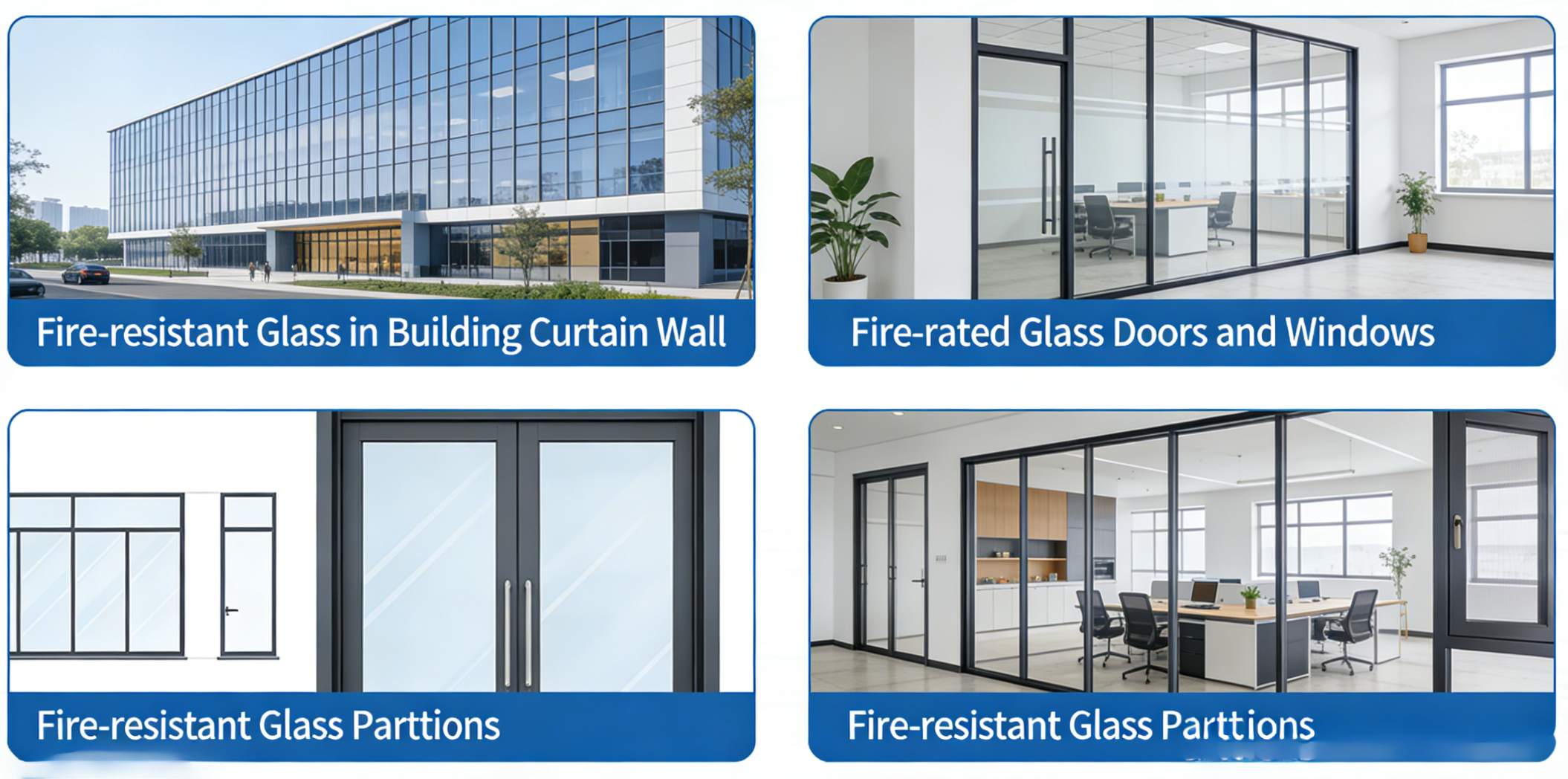
Total Value Comes From Lower Risk, Better Coordination, And Long-Term Performance
When buyers evaluate a fire rated glass solution beyond price, they are really evaluating total value. Total value includes more than product cost. It includes the risk of approval failure, the probability of installation issues, the chance of breakage during shipping, the consistency of large orders, and the quality of support when problems need fast resolution. A solution that looks cheaper at first may become significantly more expensive if any of these areas are weak.
Professional procurement teams understand that the best supplier is often the one who helps reduce hidden costs. These hidden costs may include site delays, replacement panels, labor inefficiency, design changes, communication gaps, and uncertainty during inspection. In contrast, a stronger supplier adds value by reducing friction throughout the project. If the fire glass arrives correctly labeled, packed securely, technically matched to the application, and supported by clear documentation, the buyer gains more than a product. They gain control over risk.
From a long-term cooperation perspective, buyers also consider whether the supplier is suitable for repeat business. Can they maintain the same standard across different projects? Can they support future customization? Can they be trusted when project conditions change? These questions are important because international procurement is rarely about one order alone. The best fire rated glass solutions are those that combine compliance, execution, stability, and trust into one reliable supply relationship.
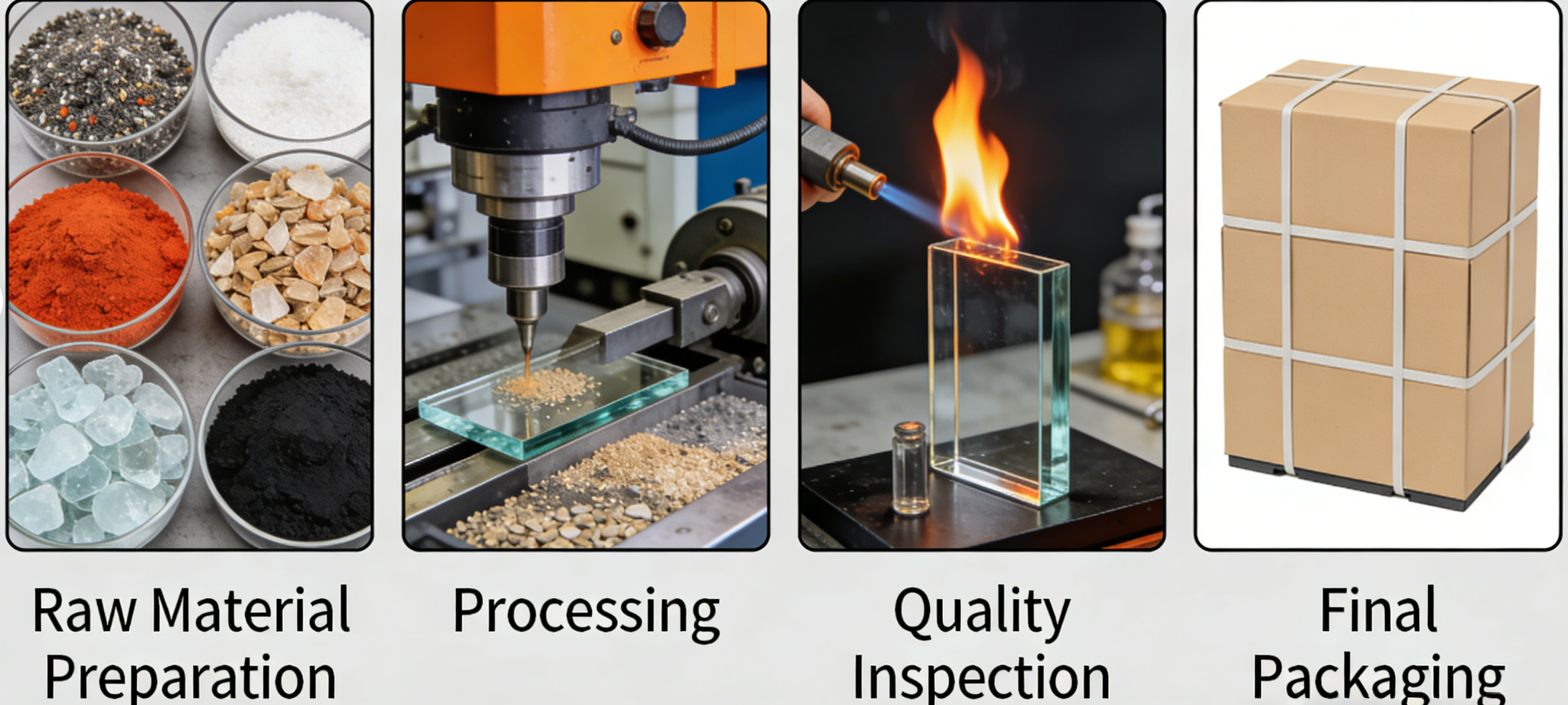
For international buyers, evaluating fire rated glass solutions beyond price is a practical and necessary part of risk control. The real value of a supplier depends on whether the solution can pass compliance review, fit the project system, support stable delivery, and reduce hidden costs throughout execution. Price still matters, but price alone cannot define the quality of a solution.
A stronger supplier creates value through technical fit, delivery reliability, batch consistency, responsive support, and long-term cooperation potential. When buyers look beyond the quotation number, they make better procurement decisions and protect the project more effectively. In real construction supply, the best solution is not the lowest-priced one. It is the one that performs reliably from approval to installation.