Is Your Glass Facade a Fire Risk
Is Your Glass Facade a Fire Risk
When Conventional Glass Fails Under Fire
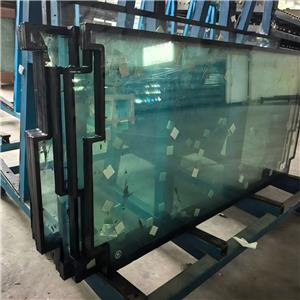
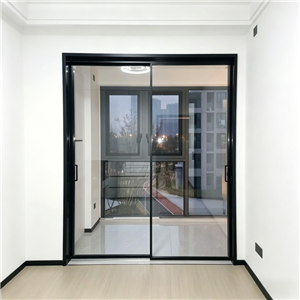
A stunning glass facade defines the aesthetic of a modern building, but it can also conceal a critical vulnerability. The fundamental question is not about the glass itself, but about the fire performance rating of the entire glazed assembly. Standard, non-fire-rated curtain wall glass is designed for weatherproofing and structural loads, not for resisting fire. When exposed to the intense heat of a fire, this conventional glass can fail rapidly through thermal breakage. It cracks and shatters, creating a large opening in the building's envelope. This failure is not just a breach; it is a catalyst for disaster. The opening acts as a fresh air intake, fueling the fire with oxygen in a phenomenon known as the "chimney effect" or "stack effect," which can lead to rapid vertical fire spread up the exterior of the building. This transforms a contained compartment fire into an uncontrollable facade fire, endangering occupants, firefighters, and adjacent properties. Therefore, any glass facade that is part of a fire compartmentation strategy, or is in close proximity to a property line, must be rigorously evaluated for its fire resistance.
Engineering a Defensive Building Envelope
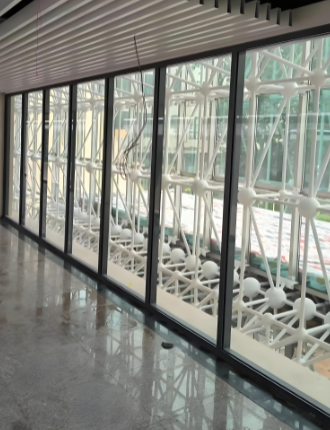
The solution lies in specifying a certified fire-rated curtain wall system. This is a complete engineered system, comprising fire-resistant glass, specialized framing, and critically, high-temperature intumescent seals. In the event of a fire, this system acts as a unified barrier. The glass, often a multi-layer laminated type with a fire-resistant interlayer, maintains its integrity and provides insulation. Simultaneously, the intumescent seals within the frames expand dramatically when heated, filling any gaps created by thermal expansion to prevent the passage of flames and hot gases. For architects and developers, the key is to understand the required fire resistance duration (e.g., 60 or 90 minutes) and the specific standard applicable to their region, such as ASTM E119 or BS 476-20/22. This is not merely about replacing a standard pane with a fire-rated one; it is about integrating a tested and certified assembly that is designed to compartmentalize fire and protect the building's structural integrity, effectively turning the facade from a potential risk into a certified defensive shield.
Mitigating Risk in High-Rise and Complex Designs
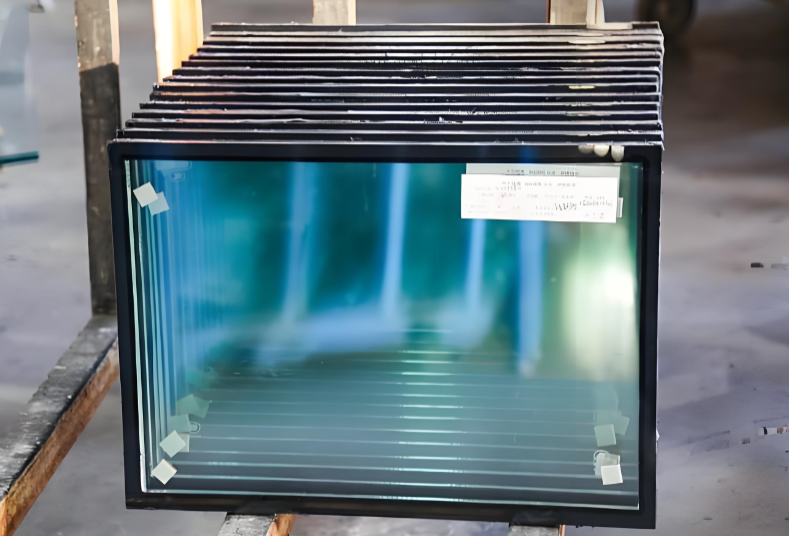
Addressing facade fire risk is particularly critical for high-rise buildings, where vertical fire spread poses the greatest threat to life safety. However, the application extends to any building where the facade is close to a boundary or where internal fire compartments meet the external wall. The advanced capabilities of modern fire-resistant glass allow for solutions that go beyond mere compliance. For instance, insulated fire-rated glazing units can be specified that provide both fire resistance and thermal insulation (improving energy efficiency), addressing multiple performance requirements with a single system. Furthermore, for designs featuring curved or unconventional facades, specialists like PYRONANO can provide custom-shaped fire-rated glass, ensuring that even the most ambitious architectural visions do not compromise on safety. The question for building owners is not just about meeting the minimum code, but about conducting a thorough fire safety risk assessment for the facade. Proactively choosing a high-performance, fire-rated system is an investment in mitigating catastrophic risk, protecting assets, and ensuring the long-term resilience and value of the property.
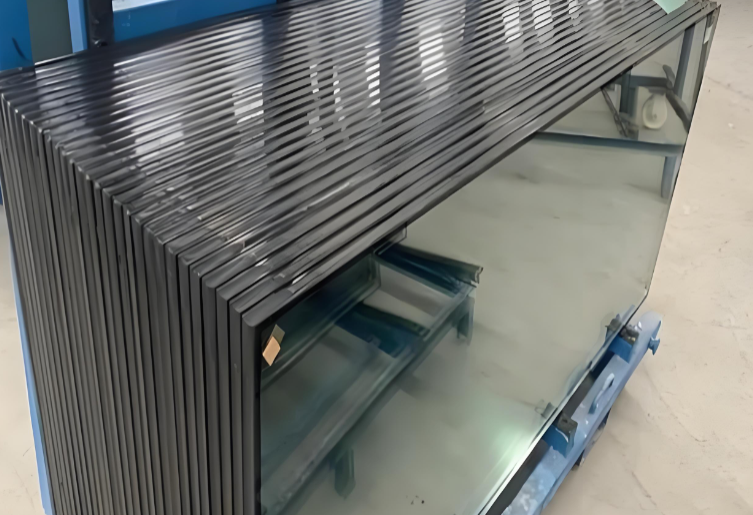
A glass facade should be a symbol of innovation and beauty, not a latent liability. The difference between a hazard and a safeguard lies entirely in the specification. By understanding the risks of conventional glazing and opting for a properly engineered, certified fire-rated curtain wall system, architects and building owners can confidently create transparent, light-filled buildings that are as safe as they are spectacular. It is a necessary evolution in building design, where the envelope actively contributes to the overall fire strategy, ensuring that safety is seamlessly integrated from the inside out.