The Fire Performance of Different Glass Systems
The Performance Spectrum: From Basic Integrity to Full Insulation
The term "fire-resistant glass" encompasses a diverse range of products, each offering a distinct level of protection defined by standardized performance classifications. Understanding this spectrum is crucial for specification. At the foundational level is glass that provides only Integrity (E). This basic rating means the glass will prevent the passage of flames, smoke, and hot gases for a rated period (e.g., E30, E60) but offers no significant barrier against heat transfer. Wired glass is a classic, albeit largely outdated, example. The next tier introduces Radiation Control (EW). EW-classified glass maintains integrity and additionally reduces the amount of radiant heat passing through it, protecting people and objects on the safe side from immediate radiant ignition. However, the glass itself becomes extremely hot. The highest and most critical performance tier is Insulation (EI). EI-rated glass provides both integrity and a substantial barrier against conductive and radiant heat, limiting the temperature rise on the protected side to safe thresholds (as per standards like EN 13501-2). This full fire compartmentation performance is essential for protecting escape routes and adjacent spaces, preventing the spread of fire by heat alone. Pyronano’s product portfolio is strategically designed to address all points on this spectrum, from specialized EW facade glass to their core range of high-performance EI-rated laminated glass systems for life-safety critical applications.
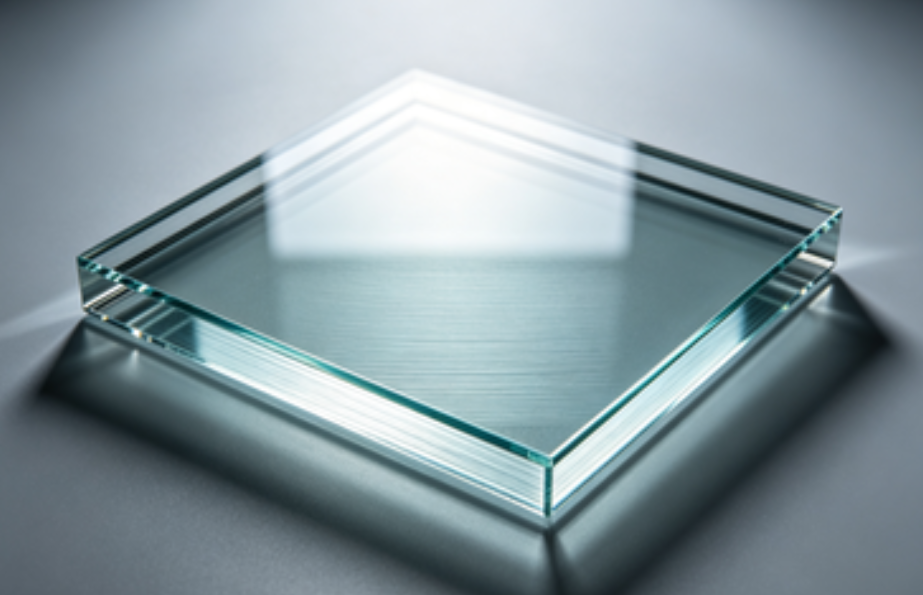
Technology Behind the Rating: Monolithic vs. Laminated Systems
The fire performance of glass is directly determined by its material composition and construction technology. The two primary technological paths are monolithic fire-resistant glass and laminated fire-resistant glass. Monolithic types, such as tempered ceramic glass (often used for EW ratings), rely on the inherent properties of a single, specially formulated glass pane. When heated, it remains stable and can block radiant heat, but as a single layer, it cannot effectively insulate; heat is conducted through it. In contrast, laminated fire-resistant glass is a composite system. Pyronano’s EI-rated laminated glass is engineered with multiple plies of glass bonded with one or more layers of a transparent intumescent interlayer. This is the key to achieving the "I" in EI. During a fire, the interlayer undergoes a rapid chemical transformation, expanding to dozens of times its original thickness to form a rigid, opaque, and highly insulating char layer. This expanded char acts as a solid thermal barrier. The multiple glass plies provide structural redundancy, holding the assembly together even if one layer cracks. This technology allows the glass to maintain its insulating integrity for extended periods (60, 90, 120 minutes). The system is completed with fire-rated frames and perimeter seals, which are equally critical, as the entire assembly—glass, seals, and frame—is tested and certified as a unit to achieve the published EI rating.
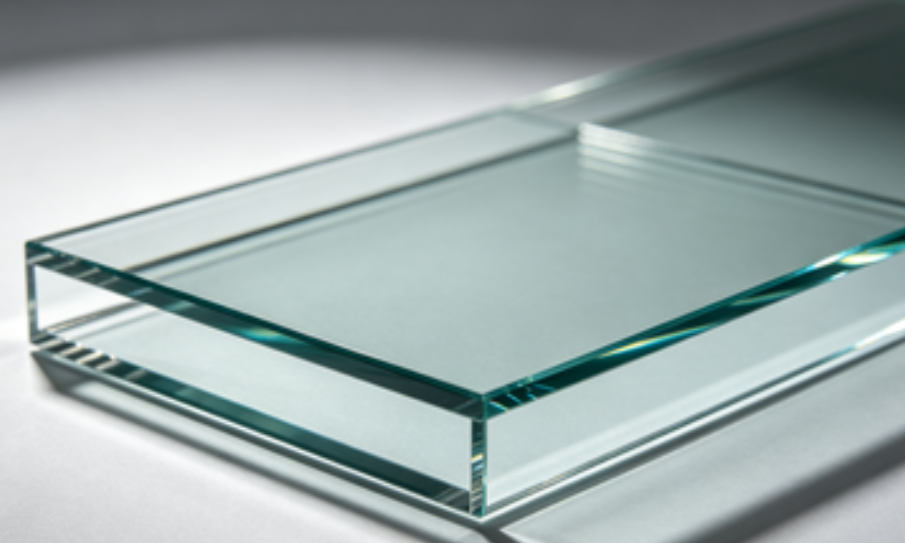
Selecting the Right System: Application-Driven Performance Criteria
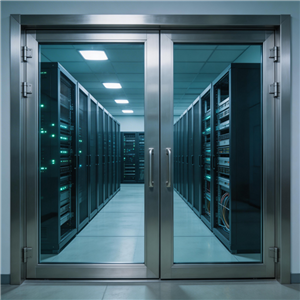
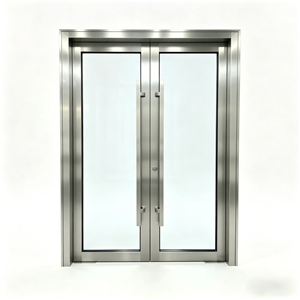
Choosing the correct fire-resistant glass system is not about selecting the "best" in a vacuum, but about matching the product’s certified performance to the specific demands of the application. This is an exercise in application-driven specification. For external facades, curtain walls, or overhead glazing where the primary goal is to prevent fire leapfrogging and block radiant heat to the exterior, an EW-rated monolithic system may be perfectly adequate and cost-effective, provided safe distances are maintained internally. Conversely, for any internal application forming part of a mandatory fire compartment—such as corridor walls, stairwell enclosures, room partitions, and especially fire-rated doors—an EI-rated laminated system is almost always required by building codes. This is because these barriers are designed to protect escape routes where people will be in close proximity; the insulation (I) is essential to prevent burn injuries and flashover conditions. Pyronano’s expertise allows them to guide specifiers through this critical decision matrix. They provide not just the glass, but fully engineered glazed systems, ensuring that the chosen product—whether a sleek, radiation-blocking EW facade panel or a robust, insulating EI partition wall—is integrated with the correct framing and hardware to deliver its certified performance in the field, ensuring both aesthetic goals and life-safety imperatives are fully met.
In summary, the fire performance of glass systems is a graduated scale defined by the key metrics of Integrity (E), Radiation Control (W), and Insulation (I). Monolithic technologies like ceramic glass typically achieve EW ratings, suitable for controlled scenarios. For true life-safety compartmentation, however, only EI-rated laminated systems with intumescent interlayers provide the necessary combination of flame, smoke, and heat blockage. Pyronano’s comprehensive range, from EW to EI solutions, empowers architects and specifiers to make informed, code-compliant choices, ensuring that every transparent barrier performs its exact, intended role in safeguarding buildings and their occupants.