The Tech Behind High-Performance Fire Glass
The Tech Behind High-Performance Fire Glass
The Core Principles of Fire Resistance
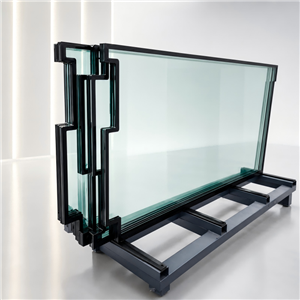
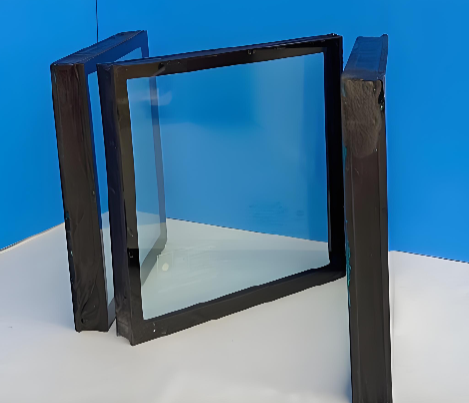
When most people think of fire-resistant glass, the image of traditional wired glass—with its obtrusive mesh that obscures vision—often comes to mind. However, high-performance fire glass, like that developed by PYRONANO, operates on a completely different set of principles, achieving a remarkable balance of clarity and protection. The foundational technology lies in multi-layer laminated construction. Instead of a single pane of glass, these units are composed of multiple layers of glass sandwiching transparent, intumescent interlayers. In their normal state, these interlayers are perfectly clear, allowing for maximum light transmission and visual transparency. The true innovation is activated in the face of danger. When exposed to the extreme heat of a fire, these interlayers undergo a controlled chemical transformation. They expand and turn into an opaque, rigid foam char. This multi-layered, intumescent core acts as a superior insulator, creating a barrier that effectively blocks the transfer of heat (insulation) and prevents the passage of flames and hot, toxic gases (integrity). This is what defines the critical EI classification (e.g., EI60), indicating the glass provides both integrity and insulation for a specified duration.
Pushing the Boundaries with Frameless and Oversized Systems
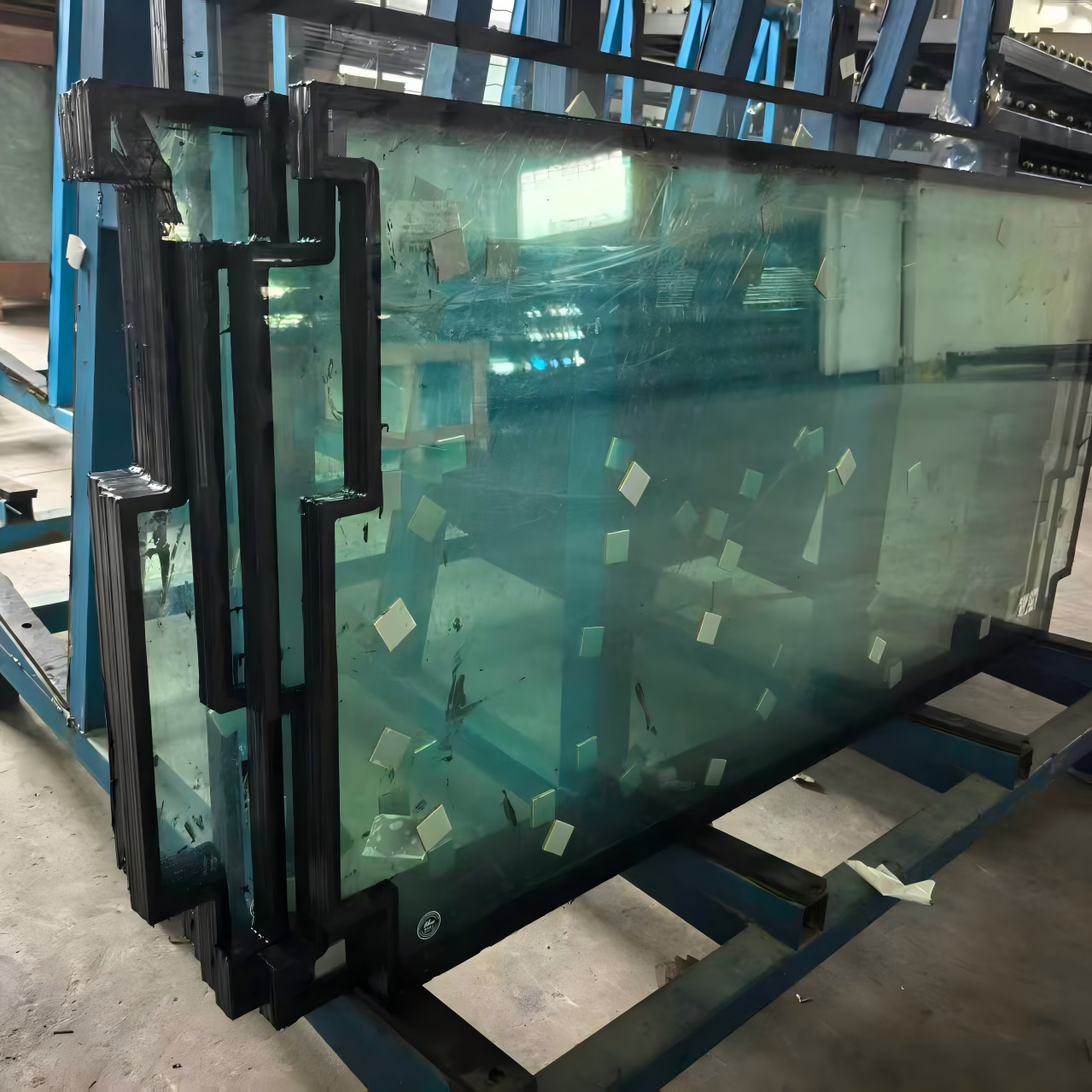
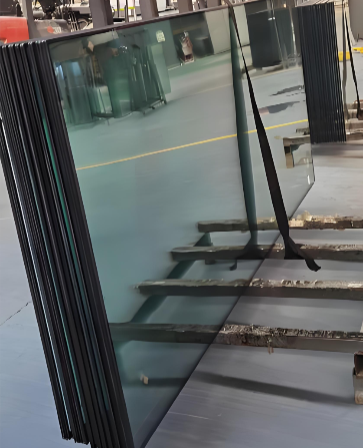
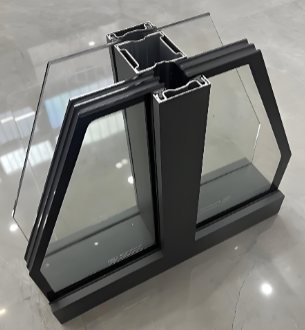
Achieving a fire rating in a standard, small-sized framed unit is one challenge; engineering a seamless, frameless glass wall several meters high that can withstand fire is an entirely different feat. This is where advanced engineering and rigorous testing become paramount. PYRONANO's expertise in butt-jointed glass systems for walls and partitions exemplifies this. The key challenge is managing thermal expansion and preventing the transfer of structural stress during a fire. The system relies on precisely engineered joint details, high-temperature resistant seals, and often, a dedicated supporting structure that can accommodate movement without compromising the integrity of the overall assembly. Similarly, manufacturing oversized fire-resistant glass panels pushes the limits of lamination technology. It requires flawless, bubble-free bonding of large-area interlayers under immense pressure and heat, ensuring uniform performance across the entire surface. Success in these areas is not just about the glass itself, but about the certified glazing system—the complete package of glass, frames (or lack thereof), seals, and fixings that has been tested together to meet international standards like BS EN and ASTM. This systems approach is what allows architects to specify breathtaking, transparent barriers without sacrificing an iota of safety.
Enhancing Durability and Optical Clarity
The term "Nano" in PYRONANO is more than a buzzword; it points to the sophisticated material science that elevates their fire glass. The application of nano-technology can involve modifying the fire-resistant interlayers at a molecular level to enhance their performance characteristics. This can result in interlayers that are more stable over time, resisting yellowing or delamination, thus ensuring long-term clarity and durability. Furthermore, nano-sealing technologies can be applied to the glass surface or the edges of the laminated unit. These seals provide enhanced protection against moisture ingress and environmental degradation, which is critical for maintaining the integrity of the glass assembly over its entire lifespan. For specialized applications like walkable fire-rated floors, the technology is further amplified. These floors incorporate multiple layers of tempered glass and tough polymeric interlayers (like PVB), creating a structure that is not only fire-resistant but also capable of withstanding significant mechanical load and impact. This multi-functional approach, underpinned by nano-enhanced materials, transforms fire glass from a mere safety component into an integral, high-performance architectural element.
High-performance fire glass is a testament to the marriage of material science, structural engineering, and rigorous testing. It moves far beyond the outdated concept of mere fire blockage, evolving into a smart, transparent building material that provides critical protection while enabling the light-filled, open architectural designs of today and tomorrow. Companies like PYRONANO are at the forefront of this evolution, proving that in modern architecture, safety and stunning aesthetics are not mutually exclusive but can be seamlessly integrated through technological innovation.