Using Fire-Resistant Partitions to Create Safer Rooms
Using Fire-Resistant Partitions to Create Safer Rooms
The Evolution of Safety and Space
The traditional approach to fire safety in buildings often relied on solid, masonry walls to compartmentalize space. While effective in containing fire, these structures came at a significant cost: they blocked natural light, created a sense of confinement, and were inflexible to modern architectural needs. The advent of fire-resistant glass partitions has revolutionized this concept, transforming safety from a restrictive barrier into an integrated design feature. These partitions are engineered to provide certified levels of fire resistance—typically ranging from 30 minutes (EI30) to 120 minutes (EI120)—while maintaining visual openness. This means that in critical spaces like hotel corridors, office areas, and hospital wards, safety is no longer dependent on opaque, obstructive walls. Instead, fire-rated partitions create designated safe zones that allow light to flow freely, maintain sightlines for better orientation, and foster an environment of openness, all while forming a robust defensive barrier against the spread of flames, smoke, and intense heat. This represents a fundamental shift from merely building barriers to actively designing for safety and well-being.
Integrity is Key to Performance
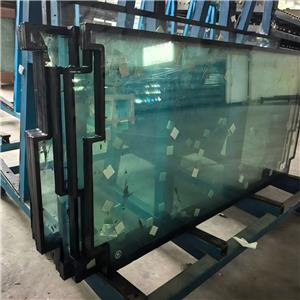
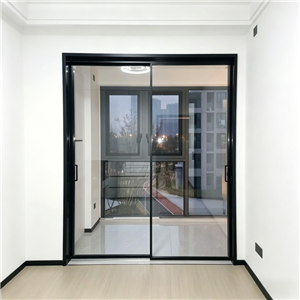
A common misconception is that the fire rating is solely a property of the glass panel itself. In reality, the performance of a fire-resistant partition system hinges on the integrity of the entire assembly. A partition is a complex system comprising the fire-rated glass panels, the framing profiles (aluminum or steel), intumescent seals, and all necessary fixings. Under intense heat, each component must perform in unison. The specialized framing is designed to resist deformation, while the intumescent seals expand dramatically when heated, filling any gaps created by thermal expansion to prevent the passage of hot gases. This systems-based approach is crucial, especially for advanced applications like frameless fire-resistant partitions that use butt-jointing technology. In these sleek, minimalist designs, the absence of visible vertical frames places even greater emphasis on the precision of the joint details and the performance of the underlying support structure. Only when all components are engineered and tested together as a unified system can the partition achieve its promised fire resistance rating, ensuring that the "room" it defines remains a protected compartment during an emergency.
Where Transparency Maximizes Safety
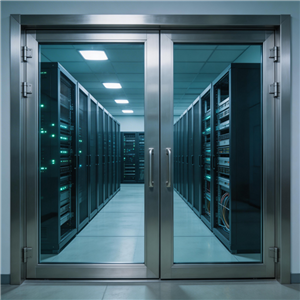
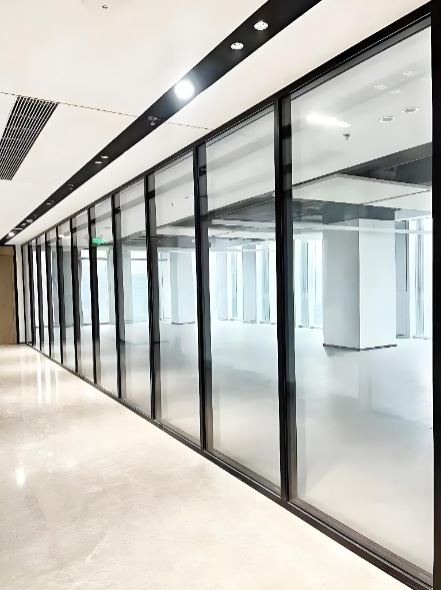
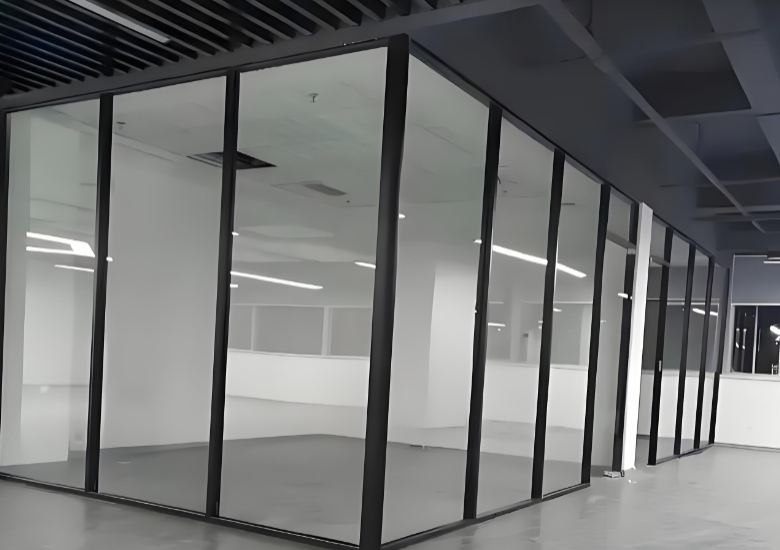
The strategic deployment of fire-resistant glass partitions can significantly enhance a building's overall safety strategy. In hotel design, using these partitions for corridor walls or to enclose stairwells provides two major benefits: it eliminates the claustrophobic feeling of long, enclosed hallways, and, more importantly, it allows occupants to visually assess conditions during an evacuation, reducing panic and guiding them toward safe exits. In open-plan offices, these partitions are indispensable for creating separate meeting rooms, private offices, or kitchenettes without sacrificing the open, collaborative atmosphere. They act as transparent fire breaks, containing a potential fire outbreak within its zone of origin. Furthermore, for specialized environments like laboratories or atriums, large-scale fire-resistant glazed walls can separate high-risk areas from main circulation routes, ensuring that safety is maintained without compromising on the architectural grandeur of the space. The ability to customize these partitions—whether in terms of size, curvature, or even incorporating walkable fire-rated glass for floors or stair treads—offers architects unparalleled flexibility to design safer, brighter, and more innovative environments.
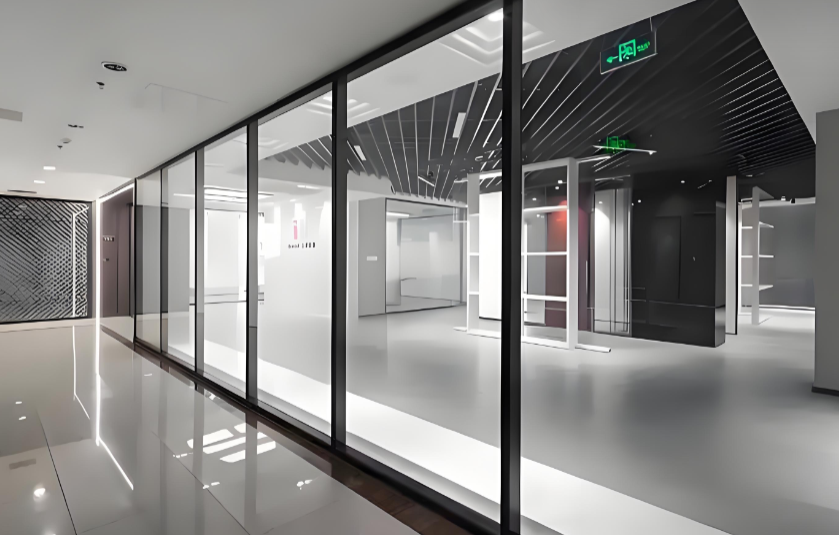
Fire-resistant glass partitions are no longer a niche product but a fundamental component of modern, life-safety-focused architecture. They elegantly resolve the age-old conflict between safety and design by providing certified protection without compromising on light, space, or aesthetics. By choosing advanced systems from specialists like PYRONANO, architects and builders are not just complying with codes; they are proactively creating safer, more humane, and more intelligent buildings where safety is seamlessly woven into the fabric of the space itself.