What Factors Can Cause Fire Rated Glass To Fail In Real Applications?
Incorrect System Matching Is One of the Main Causes of Failure
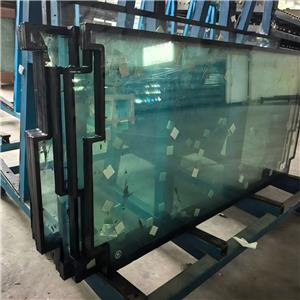
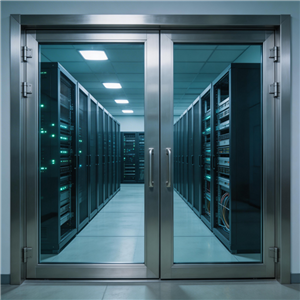
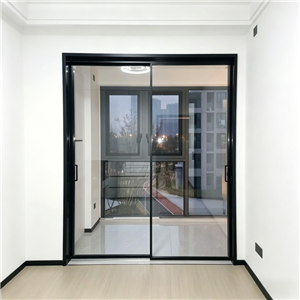
In real fire protection applications, one of the most common reasons for fire rated glass failure is not the glass itself, but the mismatch between the glass and the system it is installed in. Fire rated glass is designed to perform under specific tested conditions, which include not only the glass panel but also the frame, sealant, fixing method, and installation configuration.
When the glass is used with a different frame system, untested sealant, or modified installation detail, the original fire resistance performance may no longer apply. For example, if the frame expands differently under heat or if the sealant fails earlier than expected, the entire system can lose its fire protection function even if the glass panel itself remains intact.
From a procurement perspective, this is a critical risk. Buyers who focus only on glass certification but ignore system compatibility may unintentionally create failure conditions. That is why professional fire rated glass selection must always consider system matching as a core requirement, not an optional detail.
Exceeding Certified Size or Application Limits Leads to Performance Risk
Another major factor that can cause failure in real applications is using fire rated glass outside of its certified size or approved application conditions. Every fire test includes specific limitations, such as maximum panel size, thickness, and installation orientation. These limits are not theoretical—they define the boundary within which the glass can safely perform.
In many projects, buyers request larger panels to improve aesthetics or reduce framing. However, if the glass size exceeds the certified range, its fire resistance performance may not be guaranteed. Similarly, using interior-rated fire glass in exterior conditions, or applying a product designed for partitions in a door system, can also create risk.
International buyers must understand that certification is always linked to conditions. When those conditions change, the performance outcome may change as well. A responsible supplier helps buyers identify these limits clearly and avoids pushing products beyond their tested boundaries.
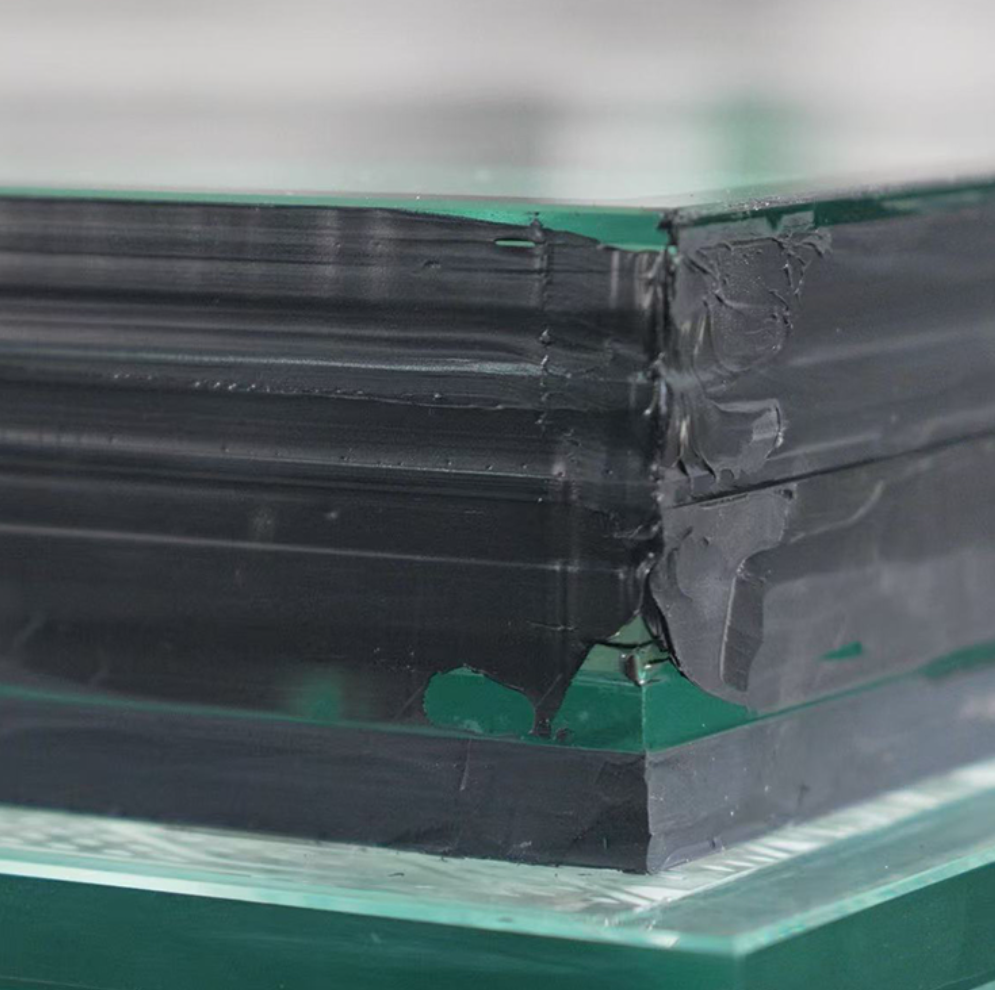
Poor Installation and Handling Can Undermine Performance
Even when the correct system and certified sizes are used, fire rated glass can still fail if installation or handling is not properly controlled. In real projects, installation quality plays a major role in determining whether the system performs as expected during a fire.
Common issues include:
Incorrect positioning of glass panels
Improper sealing or gaps in joints
Damage during handling or installation
Use of non-approved accessories
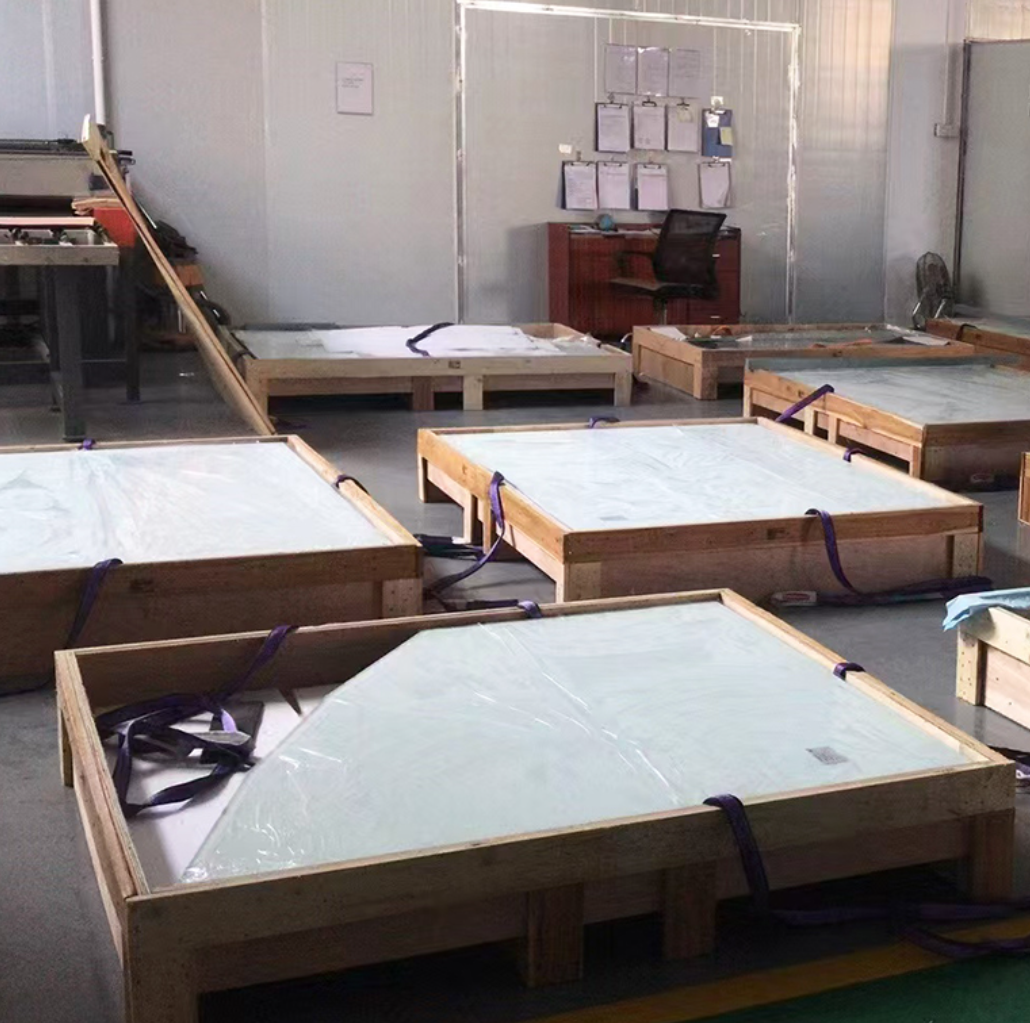
These problems may not be visible at first, but they can significantly weaken fire resistance under extreme conditions. In addition, poor handling during transportation or on-site movement can introduce micro-damage, which may reduce structural integrity during fire exposure.
That is why professional suppliers emphasize installation guidance and proper handling procedures. Buyers who work with experienced partners can reduce these risks by ensuring that installation follows tested conditions and that handling is carefully managed.
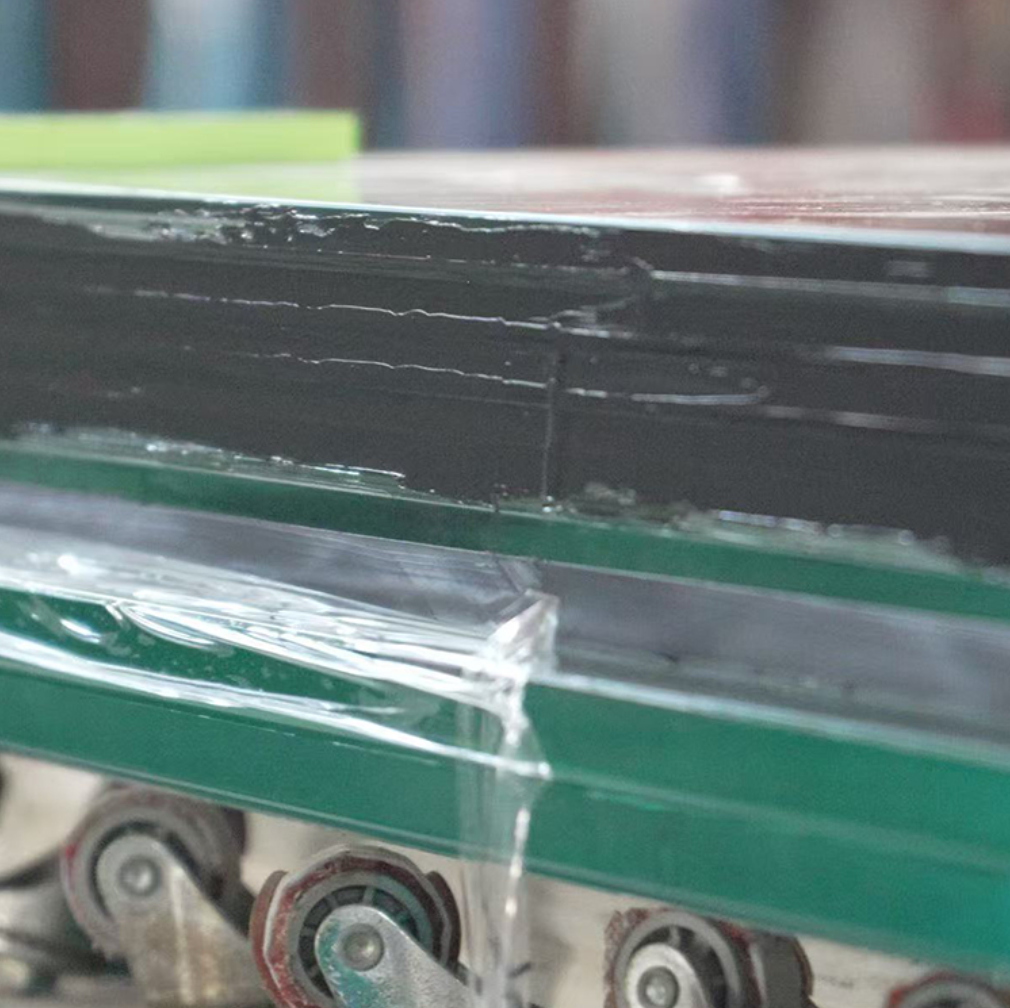
Fire rated glass failure in real applications is rarely caused by a single factor. It is usually the result of system mismatch, exceeding certified limits, or poor installation and handling. For international buyers, understanding these risks is essential for making informed procurement decisions.
By selecting the correct system, staying within certified conditions, and ensuring proper installation, buyers can significantly reduce the risk of failure and improve overall project reliability.