What is Fire-Resistant Glass
What is Fire-Resistant Glass
Defining Fire-Resistant Glass: Beyond Ordinary Glass
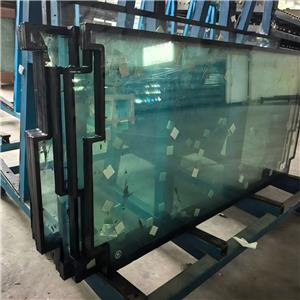
Fire-resistant glass is a specialized building material engineered to compartmentalize and contain fire, smoke, and toxic gases for a specified duration, unlike standard glass which shatters rapidly under heat exposure. Its primary function is to act as a transparent barrier, maintaining the integrity of escape routes and protecting property by preventing the spread of flames. The performance is measured by international standards (e.g., BS EN 13501-2), which classify glass based on its resistance to Integrity (E), Radiation (W), and Insulation (I). For instance, EI-classified glass, such as PYRONANO's 25mm EI60 glass, provides full protection by preventing the passage of flames and limiting heat transfer on the unexposed side to below 140°C on average for 60 minutes. This complex functionality makes it a critical component in passive fire protection systems for modern architecture.
The Technology Behind the Transparency: How It Works
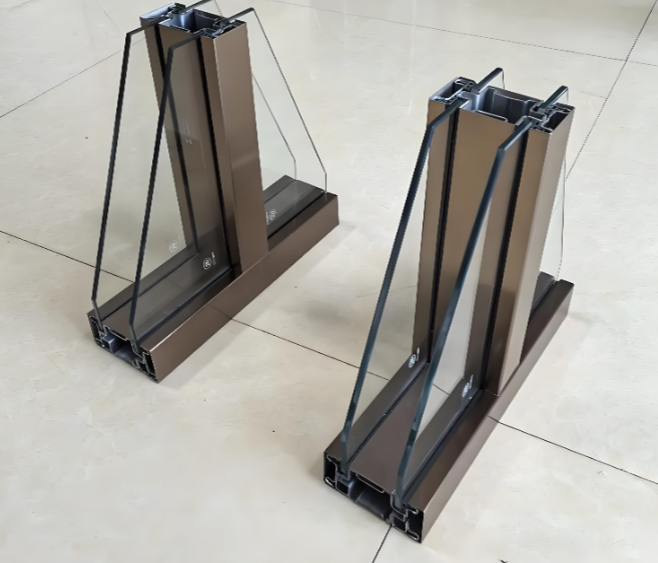
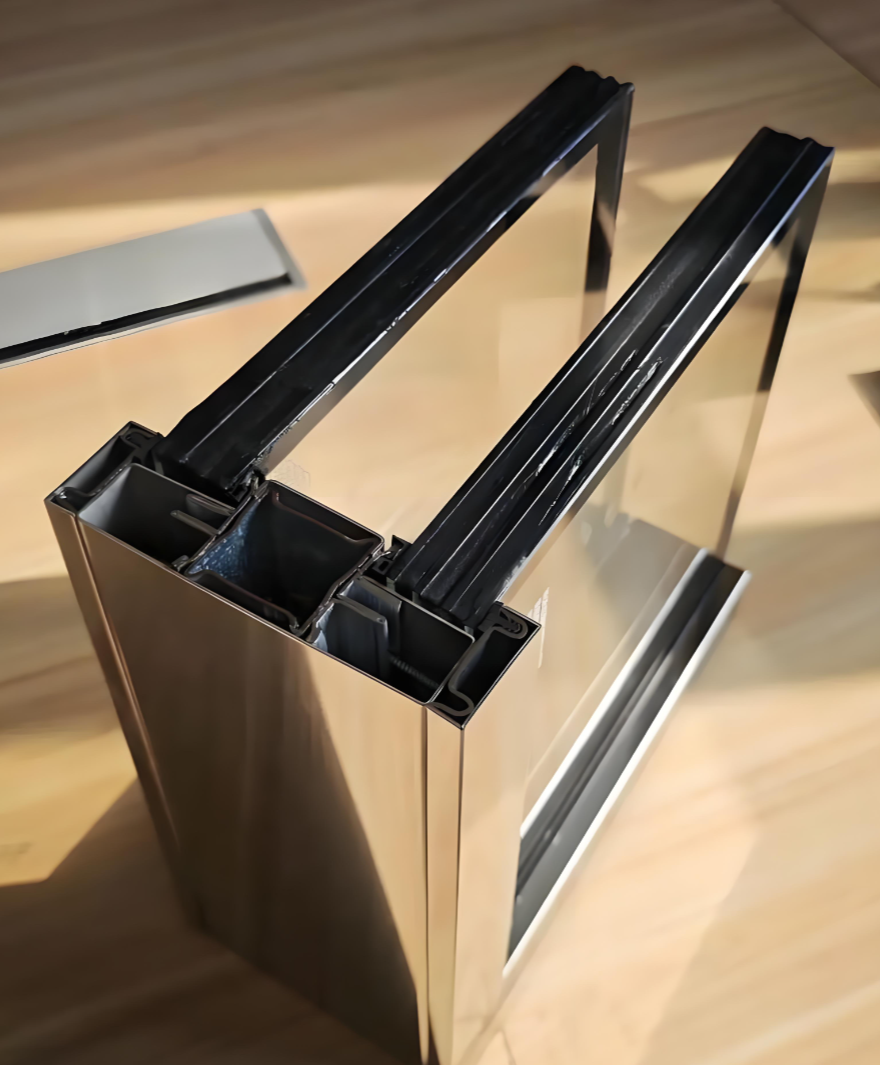
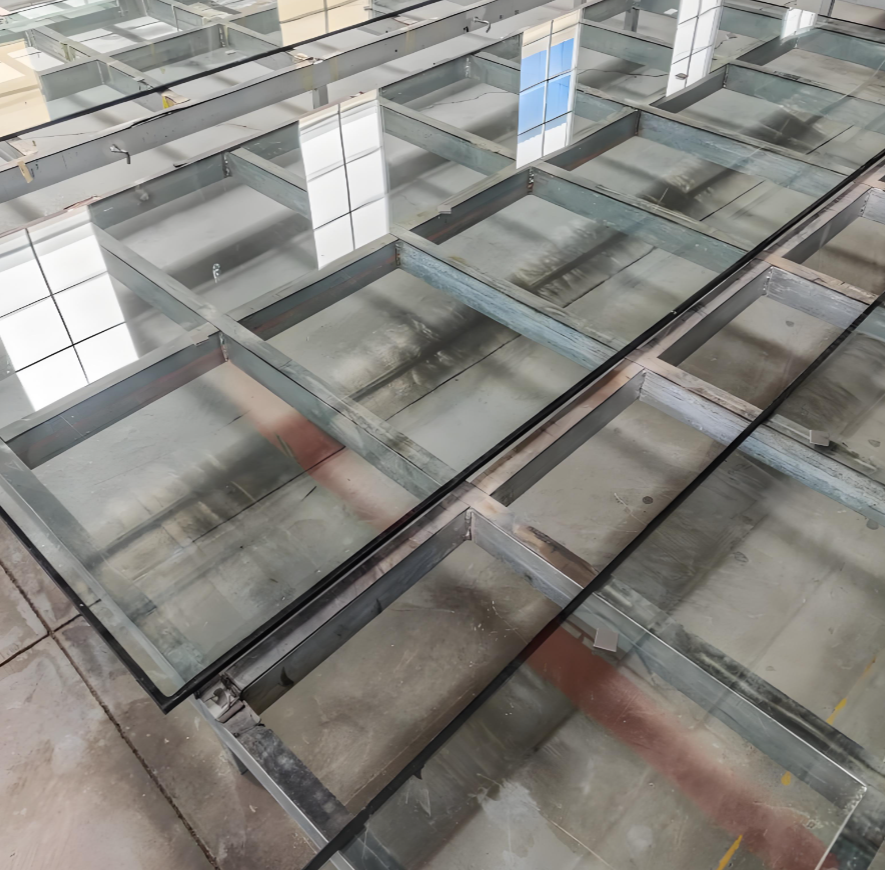
The exceptional performance of fire-resistant glass stems from its multi-layered composition and advanced manufacturing techniques. A common structure involves multiple layers of toughened glass (G) bonded with transparent, intumescent interlayers (F). When exposed to fire, the glass layers act as a initial barrier, while the interlayer chemically reacts, expanding to form an opaque, charred insulating foam. This foam absorbs heat and provides crucial insulation. PYRONANO utilizes German core technology to produce high-performance products like their Nanoflam EI and Nanofire EW series. For more demanding applications, such as their frameless systems with butt joints or load-bearing walkable floors, even more complex laminations are used, incorporating layers like PVB and special seals to achieve higher ratings like EI120, ensuring structural stability under extreme conditions.
Applications and Selection: Choosing the Right Glass for the Project
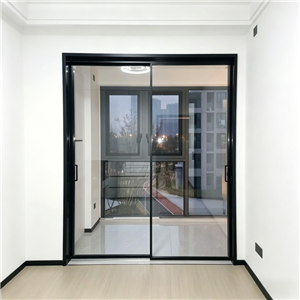
Fire-resistant glass is not a one-size-fits-all solution; its selection depends on the specific fire safety requirements of the application. Common uses include fire-rated glass doors (single or double leaf), glass partitions for offices and hotels, curtain walls, and even walkable glass floors. The choice between different classes—such as Integrity-only (E), which blocks flames but not heat, or the higher Insulation (EI) class, which blocks both—is determined by building codes and the need for safe evacuation. For example, escape routes require EW or EI glass to protect people from radiant heat. PYRONANO, as a specialist supplier, offers a comprehensive range and provides technical support to help architects and contractors select the optimal product, whether it's a standard EI60 door or a custom-sized, oversized fire-resistant glazing panel for an atrium.
In essence, fire-resistant glass is a vital technological innovation that combines transparency with life-saving protection. It functions through sophisticated multi-layer designs that react to heat, and its correct selection and application are paramount for modern building safety. Companies like PYRONANO INT'L LTD are at the forefront, advancing this technology to offer reliable, certified solutions that meet the diverse and stringent demands of global architecture, ensuring safety without compromising on design aesthetics.