What's the Difference Between High-Tech Fire Glass and Traditional "Wired Glass"?
What's the Difference Between High-Tech Fire Glass and Traditional "Wired Glass"?
Foundational Technology: Embedded Wire vs. Advanced Laminates
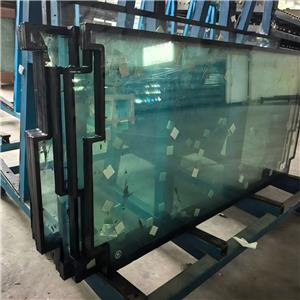
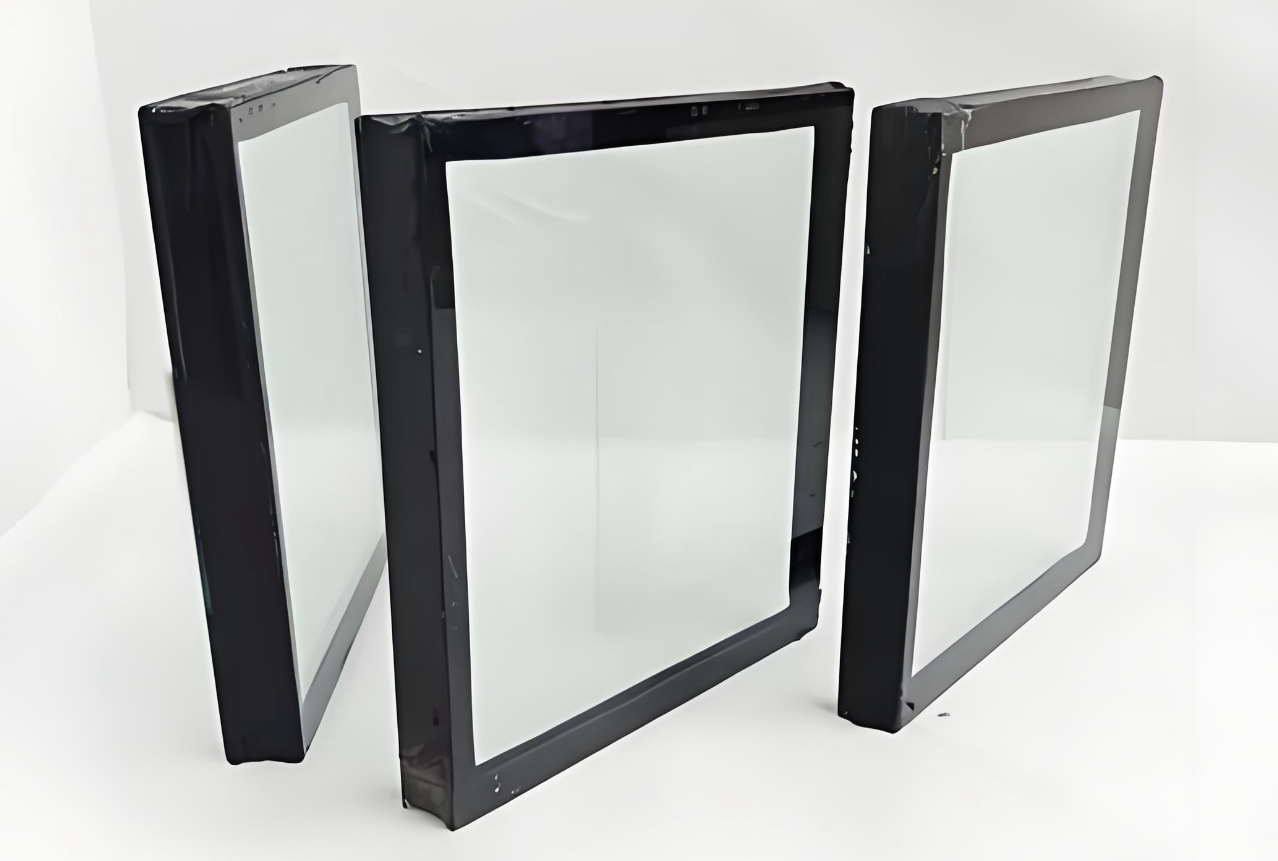
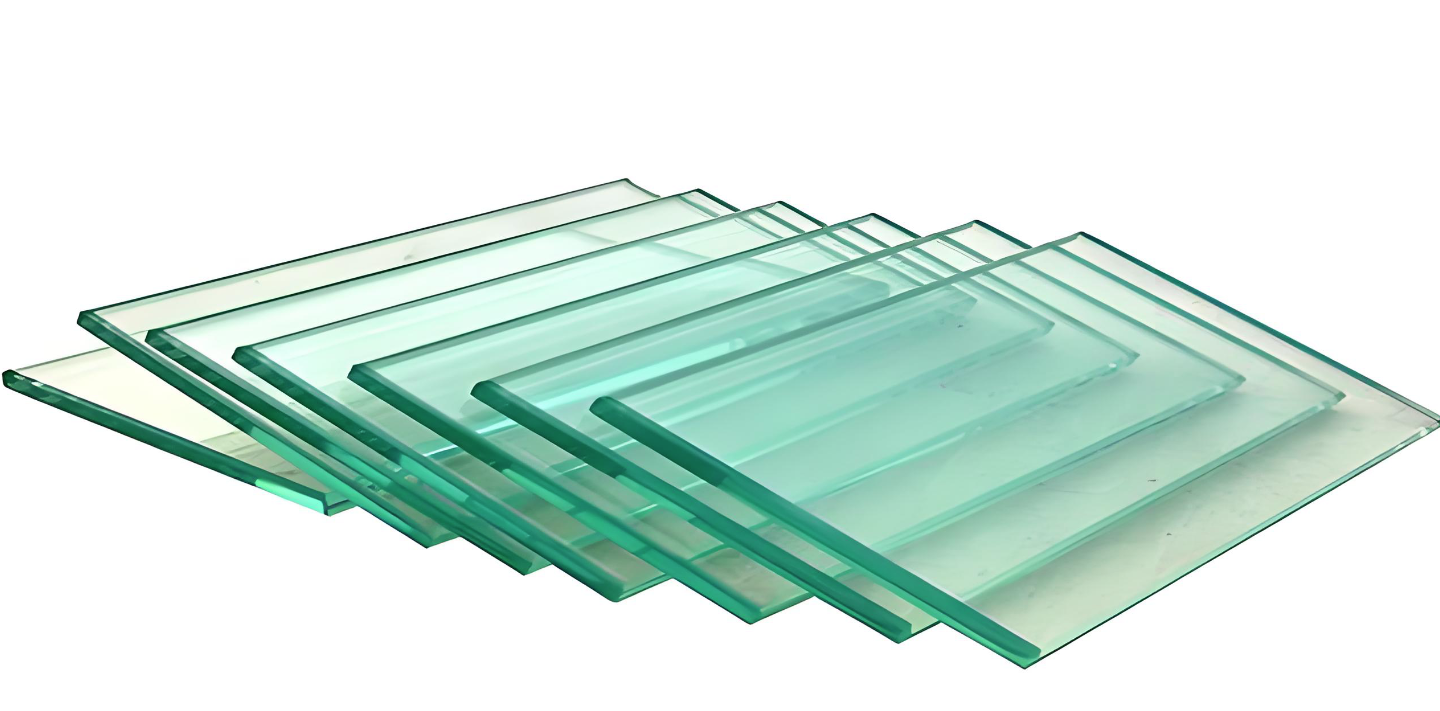
The most immediate difference lies in the core technology. Traditional wired glass, a product of the past century, incorporates a wire mesh embedded within the glass during manufacturing. This wire was intended to hold the glass together if it cracked from heat exposure. While it does provide some containment, its primary failure is its poor thermal insulation; heat transfers through the wire almost unimpeded, leading to rapid temperature rise on the safe side. In contrast, high-tech fire glass like Pyro Nano's Nanoflam and Nanofire series employs sophisticated, transparent intumescent interlayers. When exposed to fire, these interlayers expand to form a thick, opaque, and heat-insulating barrier. This multi-layered construction (e.g., 5G+5F+5G) is engineered not just to resist breakage but, more critically, to block the passage of radiant heat (meeting E and I classifications), which is essential for preventing fire spread and ensuring safe evacuation routes.
Performance and Safety: Containment vs. Comprehensive Protection
This technological divergence results in a vast gap in safety performance. Wired glass is typically rated only for integrity (E), meaning it can contain flames for a short time, but it offers virtually no insulation against heat. This allows dangerous levels of heat to pass through, which can ignite materials on the safe side and make escape routes impassable. Furthermore, the embedded wire mesh significantly weakens the glass's impact resistance. It is notoriously fragile and can shatter upon human impact, posing a serious safety hazard. Modern fire protection glass like Pyro Nano's provides a holistic safety solution. It is rigorously tested to maintain both integrity (E) and insulation (I) for extended periods (e.g., EI 30, EI 60, EI 120). Moreover, many of these high-tech glasses can be manufactured to meet stringent impact safety standards (e.g., EN 12600), functioning as both a reliable fire barrier and a robust safety glass, preventing breakage and injury.
Aesthetic and Application: Obsolete vs. Architecturally Integrated
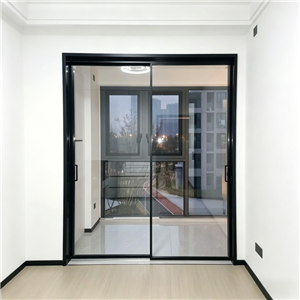
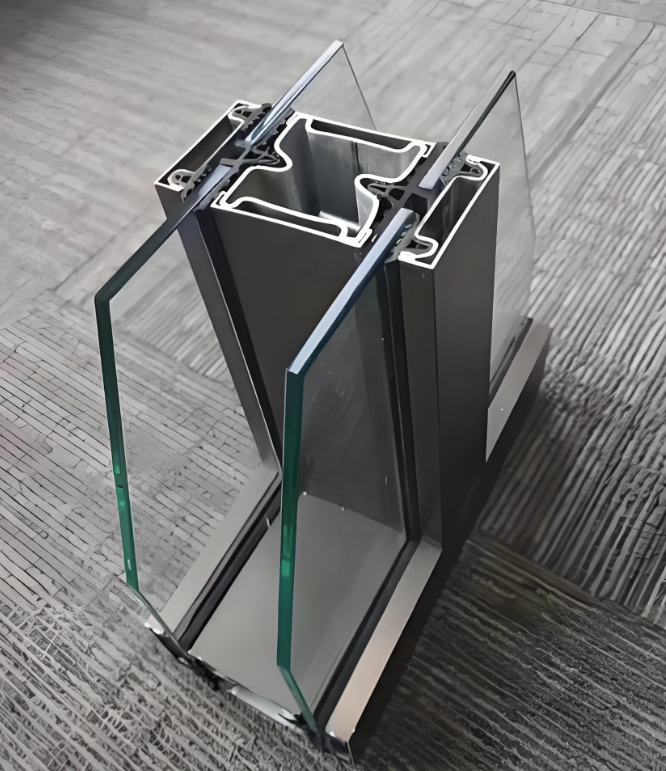
The aesthetic and functional implications for building design are profound. The highly visible wire grid in traditional glass imposes severe limitations on architectural vision. It obstructs views, distorts clarity, and is generally considered unattractive for modern applications demanding transparency and elegance. This confines its use to utilitarian areas like basement windows or old industrial buildings. Pyro Nano's high-tech fire glass, however, is a catalyst for modern architecture. It offers exceptional optical clarity, is virtually indistinguishable from standard glass, and can be used in large, frameless panels (as evidenced by their 5-meter tall butt-joint tests). This enables its seamless integration into prestigious applications: stunning glass staircases, expansive office partitions, transparent elevator shafts, and high-performance facades. It allows architects to design with light and openness without compromising on life safety, replacing an obsolete material with a versatile, high-performance building component.
In conclusion, the difference between traditional wired glass and high-tech fire glass is not merely incremental; it is revolutionary. Pyro Nano's technology represents a fundamental leap from a basic, flawed containment method to an intelligent, multi-functional safety system. It replaces poor thermal performance with superior insulation, transforms a safety hazard into an impact-resistant barrier, and liberates architectural design from visual obstructions. For any contemporary project prioritizing both uncompromising safety and aesthetic excellence, high-tech fire glass is the unequivocal and necessary choice, rendering traditional wired glass obsolete.