Why Does System Certification Matter More Than Glass-Only Certification
Fire Performance Is Evaluated as a System, Not Just as a Piece of Glass
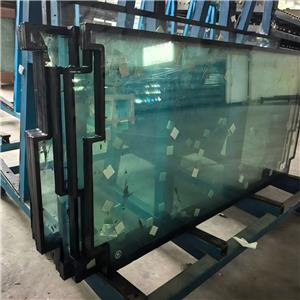
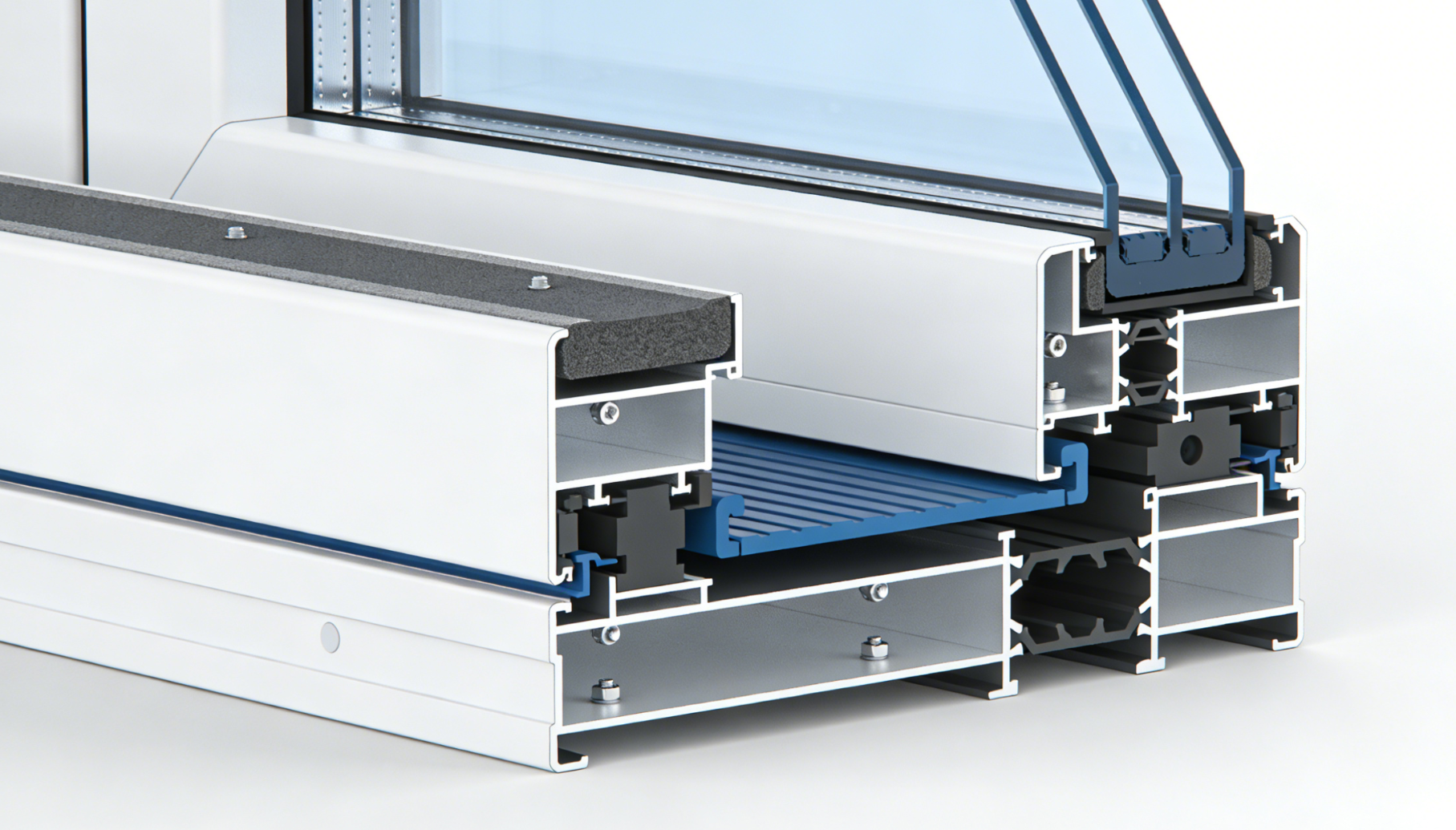
For many international buyers, one of the most common misunderstandings in fire rated glass procurement is assuming that a certified glass panel automatically means a certified solution. In reality, fire performance in most construction applications is not judged by the glass alone. It is judged by the complete system, including the glass, frame, sealants, fixing methods, and installation configuration.
This distinction is critical because a glass panel that performs well in one tested setup may not deliver the same result when used with a different frame or installation method. Fire resistance is affected by how the system behaves as a whole under heat, pressure, and structural stress. If the framing system expands differently, if the sealant fails too early, or if the fixing structure does not match the tested condition, the entire fire barrier may fail even though the glass itself is technically qualified.
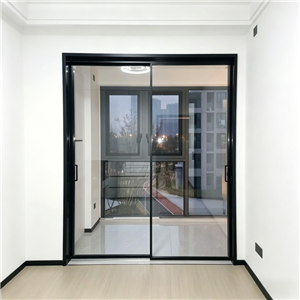
That is why professional buyers do not stop at asking whether the glass has a certificate. They ask a more important question: is the full system certified for the intended application? This includes whether the tested configuration matches the real project condition, such as partitions, doors, corridor glazing, or other architectural uses. A glass-only certificate may create confidence at first glance, but without system validation, it does not provide enough assurance for real project approval.
In real fire protection projects, the system passes or fails together. The glass alone does not decide the final result.
System Certification Reduces Approval Risk and Installation Uncertainty
From a procurement perspective, the value of system certification is not only technical. It is also practical. Buyers need solutions that can pass design review, site inspection, and final acceptance with minimal uncertainty. A glass-only certificate may support a product claim, but it often leaves too many unanswered questions during the project process.
For example, consultants, contractors, and inspectors may still ask:
Which frame was used in the fire test?
Were the sealants part of the approved system?
What panel size and layout were tested?
Does the installation method match the certified configuration?
If these details are unclear, the buyer may face redesign, approval delays, or even rejection during inspection. In contrast, system certification provides a stronger and more complete basis for project acceptance because it shows how the whole assembly was tested and approved.
This is especially important in commercial buildings, public spaces, and international projects where compliance is closely reviewed. Buyers are not only purchasing a material. They are purchasing a path to approval. The more complete and application-specific the certification package is, the more confidence the project team will have in moving forward.
System certification does more than prove performance. It protects the project from preventable compliance risk.

System Certification Reflects a Supplier’s Real Solution Capability
Another reason system certification matters more is that it reveals the true level of a supplier’s capability. Many manufacturers can produce fire rated glass panels. Far fewer can provide a tested, integrated, and project-ready system. For international buyers, this difference is important because it shows whether the supplier is selling a material or delivering a complete solution.
A supplier with system certification is usually better positioned to support buyers in real project execution. They are more likely to understand how glass works with frames, how to recommend correct configurations, how to explain size limits, and how to guide installation according to tested conditions. This kind of support is especially valuable in projects that require partitions, doors, large panels, or customized layouts.
By contrast, when a supplier only offers glass-only certification, much of the integration work is shifted back to the buyer, local contractor, or project consultant. That increases responsibility, coordination effort, and risk. Even if the product itself is good, the overall solution may still be weak if system compatibility is not proven.
For procurement teams, the strongest suppliers are those who can combine certified products with certified systems, technical support, and project-level guidance. This reduces friction across design, procurement, installation, and inspection. In practice, system certification is not just a technical advantage. It is a commercial advantage because it makes the entire buying process more reliable.
Glass-only certification shows product capability. System certification shows real project capability.
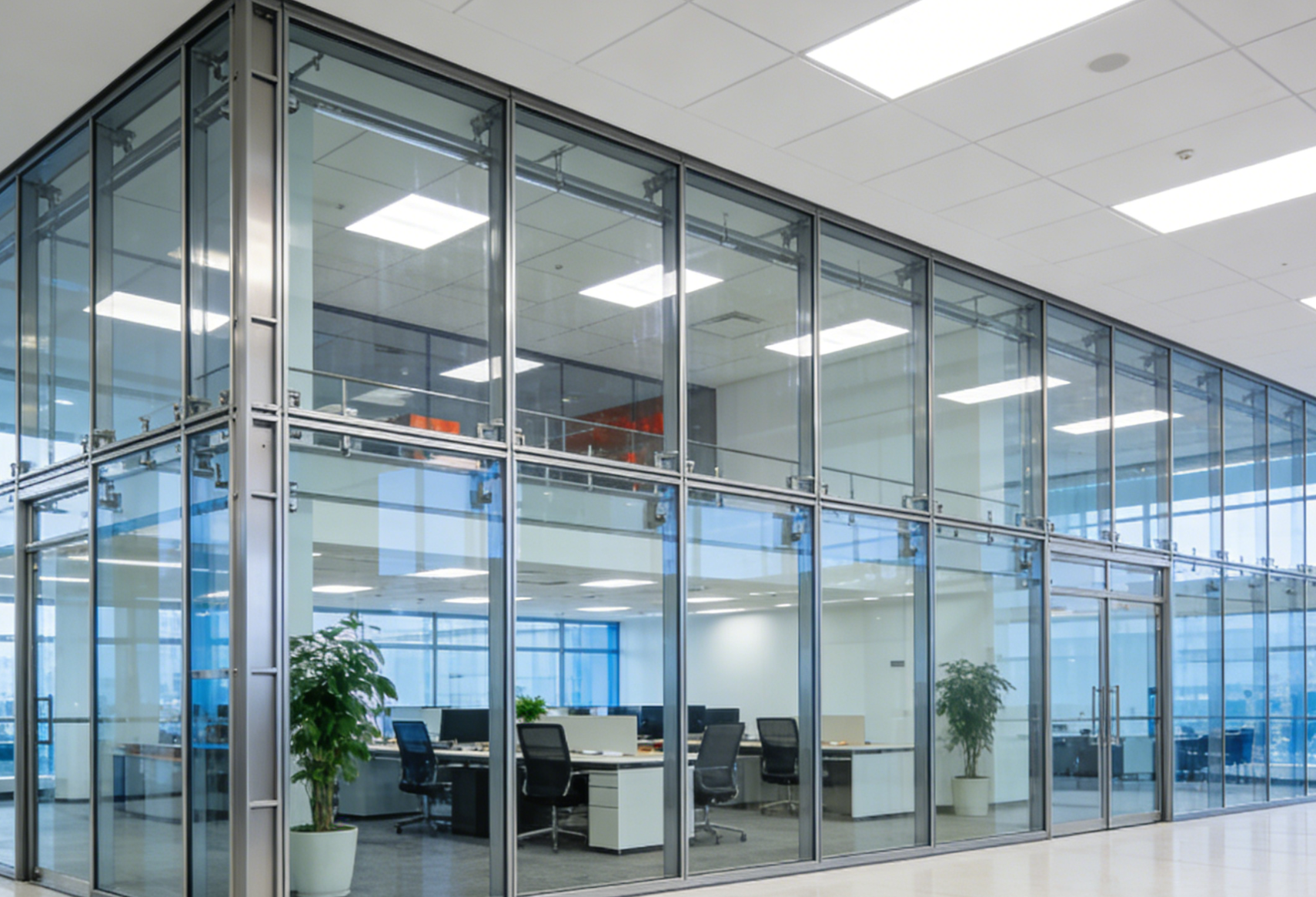
For international procurement, the difference between glass-only certification and system certification is the difference between product confidence and project confidence. A glass certificate may confirm that the panel itself has been tested, but only a system certificate can show that the full assembly is suitable for real-world use.
That is why system certification matters more. It reduces compliance uncertainty, supports approval, improves installation reliability, and reflects the supplier’s real ability to deliver a complete fire rated glass solution. In practical procurement, buyers do not need isolated product claims. They need solutions that can perform, pass inspection, and support the project from design to installation.