Fire Rated Glass Export Packaging: How To Prevent Breakage During Shipping
Fire Rated Glass Export Packaging: How To Prevent Breakage During Shipping
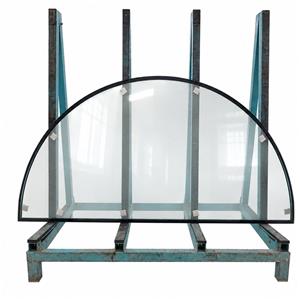
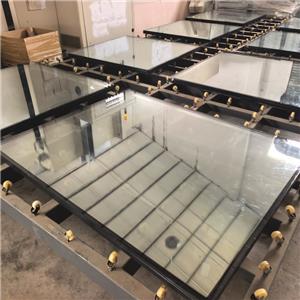
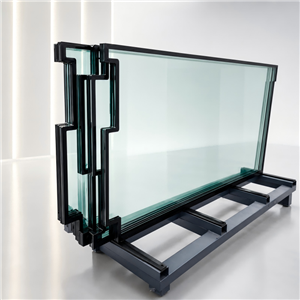
Fire rated glass is heavy, high-value and fragile during international transportation. Proper export packaging can reduce breakage risk, protect edges, improve container loading safety and help buyers avoid project delays after delivery.
Get QuoteWhy Export Packaging Matters For Fire Rated Glass
Fire rated glass panels are usually thicker and heavier than ordinary architectural glass. During ocean shipping, products may face vibration, container movement, forklift handling, moisture, stacking pressure and long-distance transportation risk.
If packaging is too weak, even correct glass specifications can become useless after delivery. Broken panels can delay hotel, office, hospital, data center and public building projects, especially when replacement production takes time.
1. Use Strong Wooden Crates For Heavy Panels
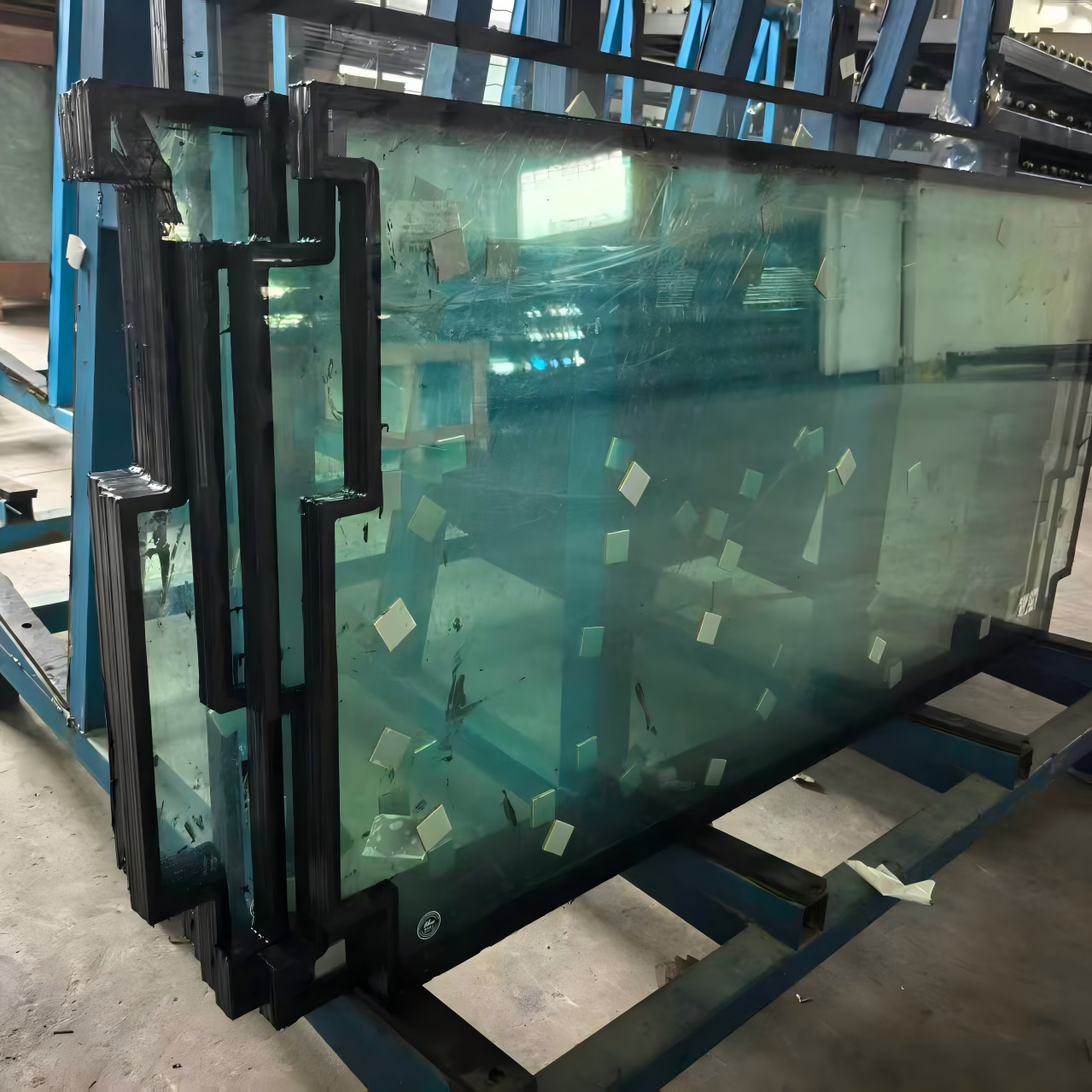
Export fire rated glass should be packed in reinforced wooden crates instead of simple cartons or thin wooden frames. The crate should support panel weight, protect against side pressure and remain stable during forklift handling.
Use reinforced wooden structure for heavy glass panels.
Keep panels fixed inside the crate to reduce movement.
Separate glass panels with soft protective materials.
Mark handling direction clearly for warehouse and port workers.
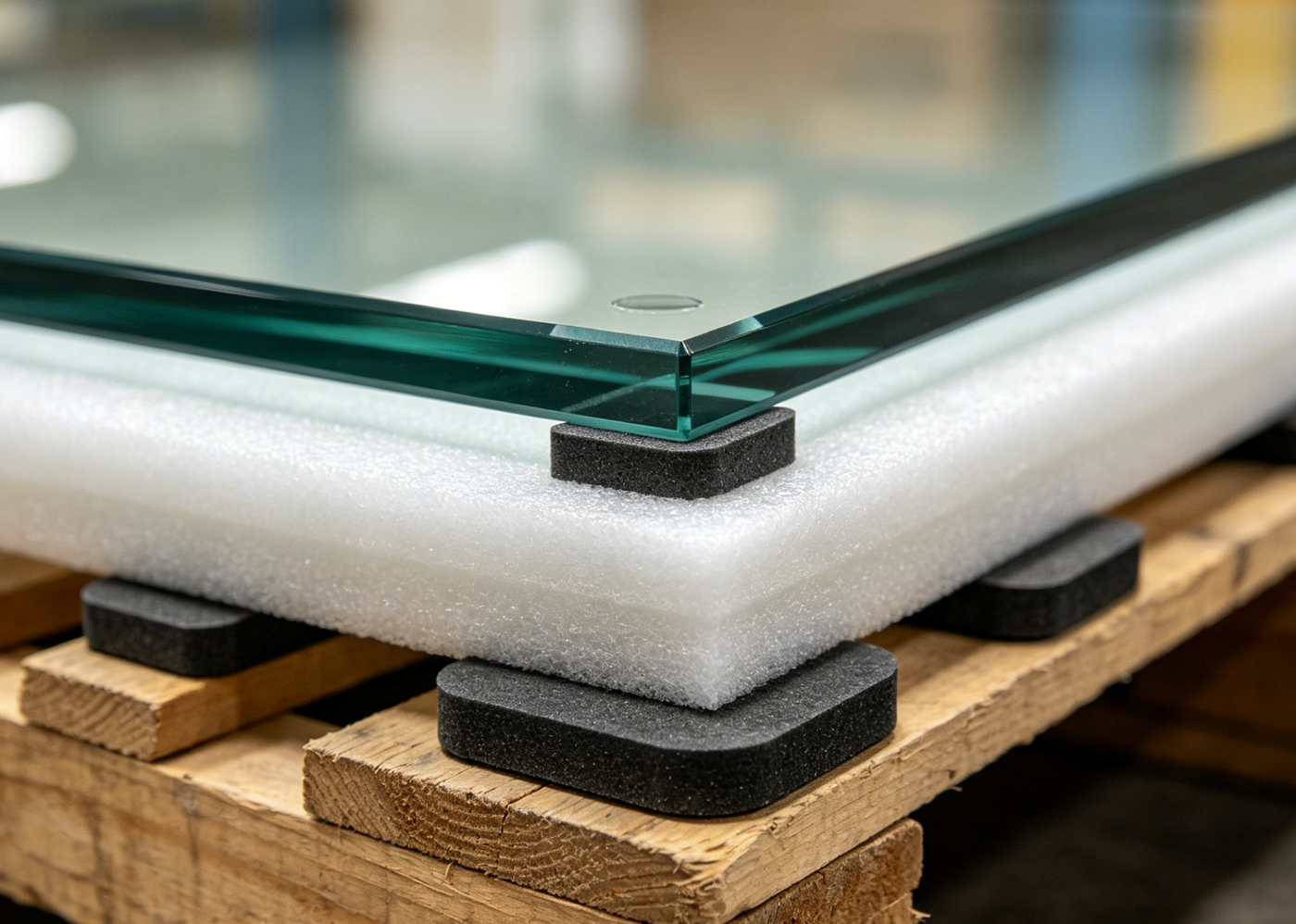
2. Protect Glass Edges And Corners
Edges and corners are the most vulnerable parts during shipping. Fire rated glass panels may look intact from the front, but small edge damage can affect installation quality and project acceptance.
Buyers should ask suppliers whether corner protectors, edge foam, rubber pads or separation materials are used before loading.
3. Control Moisture During Long-Distance Shipping
Ocean shipping can expose packaging to humidity and temperature changes. Moisture may affect labels, wooden crates, spacers or some accessories if protection is not planned properly.
For long-distance export orders, suppliers should consider moisture-resistant wrapping, dry storage before loading and suitable container loading conditions.
4. Plan Container Loading Carefully
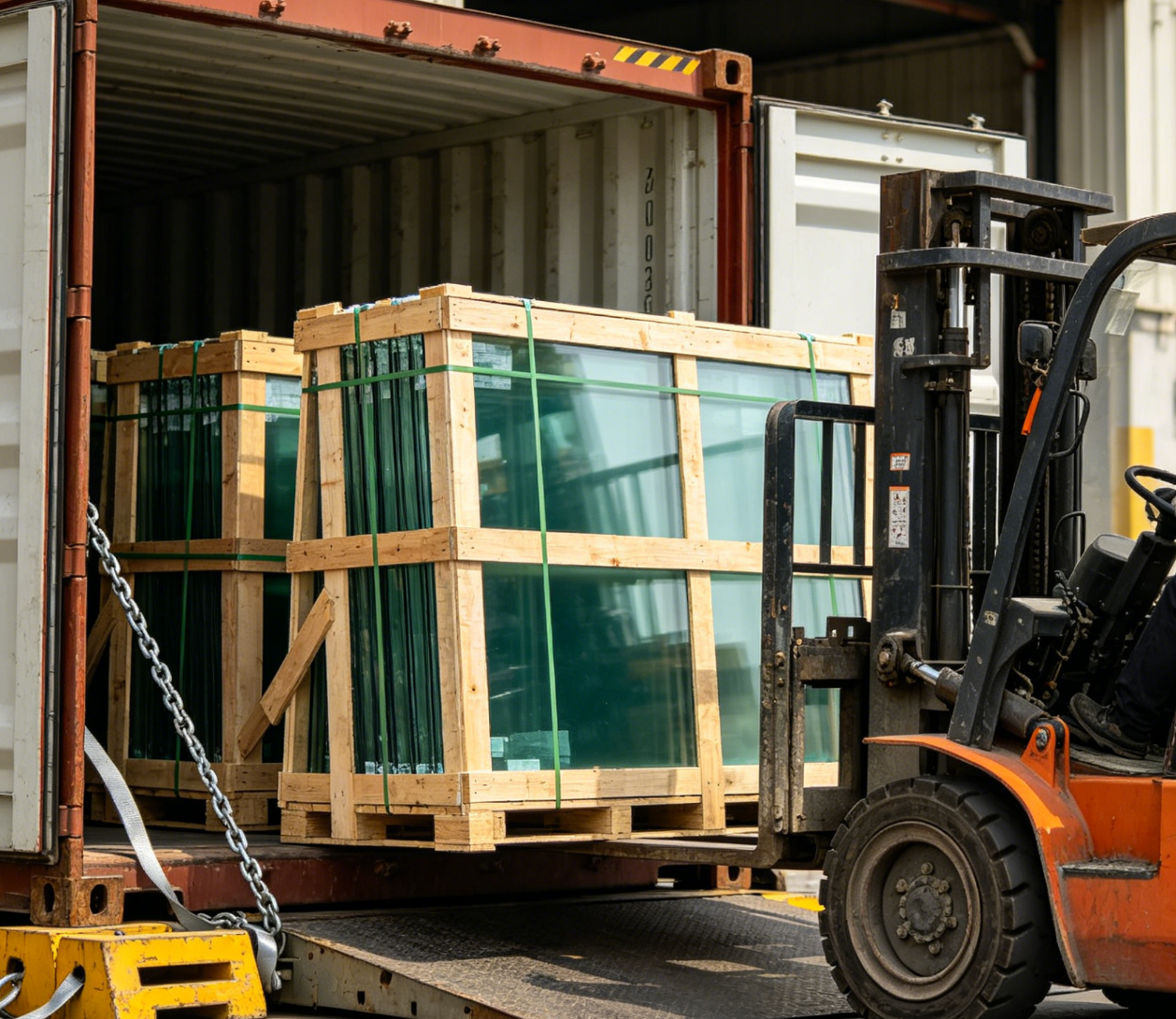
Good packaging is not enough if container loading is poor. Heavy crates should be positioned securely, fixed to reduce movement and loaded according to panel size and weight.
Confirm crate size before container booking.
Avoid unstable stacking of heavy crates.
Use proper fixing materials inside the container.
Keep loading photos for shipment records.
5. Ask For Packaging Photos Before Shipment
Before shipment, buyers should request packaging photos, crate labels and loading photos. This helps confirm that the products are packed correctly and provides useful records if any shipping issue occurs.
For project orders, each crate should ideally be labeled by project name, glass size, quantity, location or installation area. This helps contractors identify products faster after arrival.
Export Packaging Checklist For Buyers
Are reinforced wooden crates used?
Are edges and corners protected?
Are panels separated with soft protective materials?
Is moisture protection considered?
Are crate labels clear for project installation?
Are loading photos provided before shipment?
Is container fixing planned for heavy crates?
Is the packing method suitable for oversized panels?
Conclusion
Fire rated glass export packaging should protect the product from breakage, edge damage, moisture and container movement. Buyers should not only ask for product price, but also confirm packaging method, crate strength, edge protection, labeling and loading photos before shipment.
Need Fire Rated Glass For Export Projects?
Send us your glass size, quantity, project schedule and delivery country. Our team will recommend a suitable fire rated glass solution and export packaging method.
Contact Us Get Quote