How To Check If Fire Rated Glass Matches The Frame System
How To Check If Fire Rated Glass Matches The Frame System
Fire rated glass performance depends on the complete system, not the glass panel alone. Before ordering, buyers should confirm whether the glass, frame, seals, glazing beads and hardware are compatible with the required fire rating and project application.
Get QuoteWhy Glass And Frame Compatibility Matters
A common mistake in fire rated glass procurement is treating the glass and frame as separate products. In real building projects, the fire resistance result depends on how the glass, frame, seals and fixing system work together during fire exposure.
If the glass has a fire rating but the frame, gasket or installation detail is not suitable, the complete assembly may not perform as expected. This can lead to compliance risk, failed inspection, site rework and project delay.
1. Confirm The Required Fire Rating First
The frame system should match the required fire rating of the glass. EI30, EI60, EI90 and EI120 systems may require different glass thickness, frame depth, seal materials and fixing methods.
EI30: suitable for lower-risk internal areas.
EI60: common for office partitions, hotel corridors and commercial walls.
EI90: often used for staircases, evacuation routes and public buildings.
EI120: used for high-risk or critical safety zones.
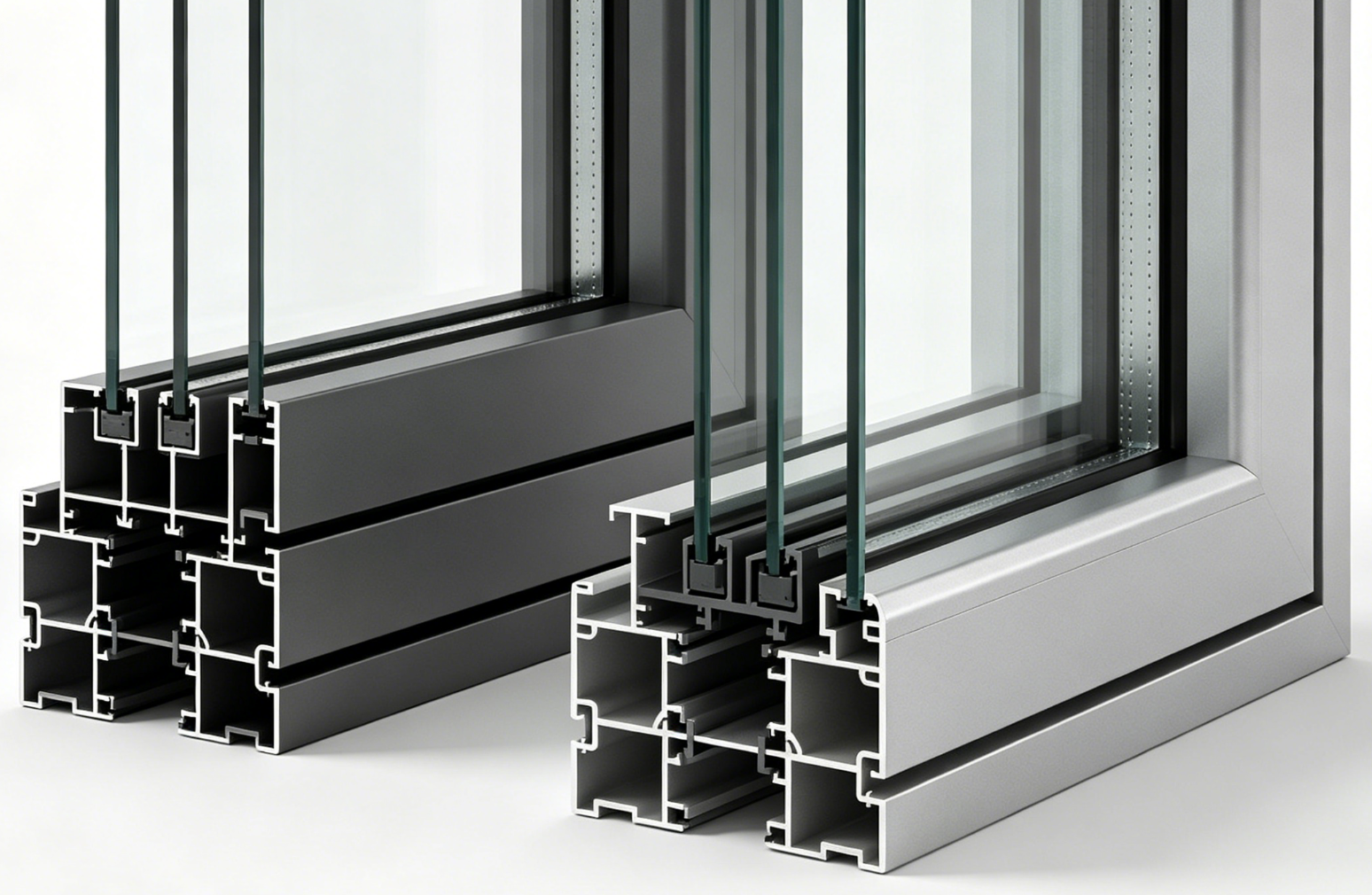
2. Check Frame Material And Profile Depth
Frame material and profile design affect system stability. Steel frames are often used for stronger support, while aluminum frames may be selected for lighter visual appearance when the system design allows.
Buyers should confirm whether the frame depth, glazing pocket, fixing position and profile thickness can support the selected fire rated glass panel.
3. Verify Seals, Gaskets And Glazing Beads
Seals and gaskets are small components, but they are critical in fire rated glass systems. Ordinary sealants may fail under high temperature. Fireproof sealant, suitable gaskets and correct glazing beads help maintain the system’s integrity.
Before ordering, buyers should ask whether the seal materials and glazing method are designed for the same fire rating as the glass and frame.
4. Match Door Hardware With The Fire Rated System
For fire rated glass doors, hardware compatibility is also important. Hinges, door closers, locks, panic bars and access control devices should be selected according to the door weight, opening direction, traffic flow and fire rating requirement.
If hardware is selected only by appearance or price, it may not support long-term operation or fire safety performance.
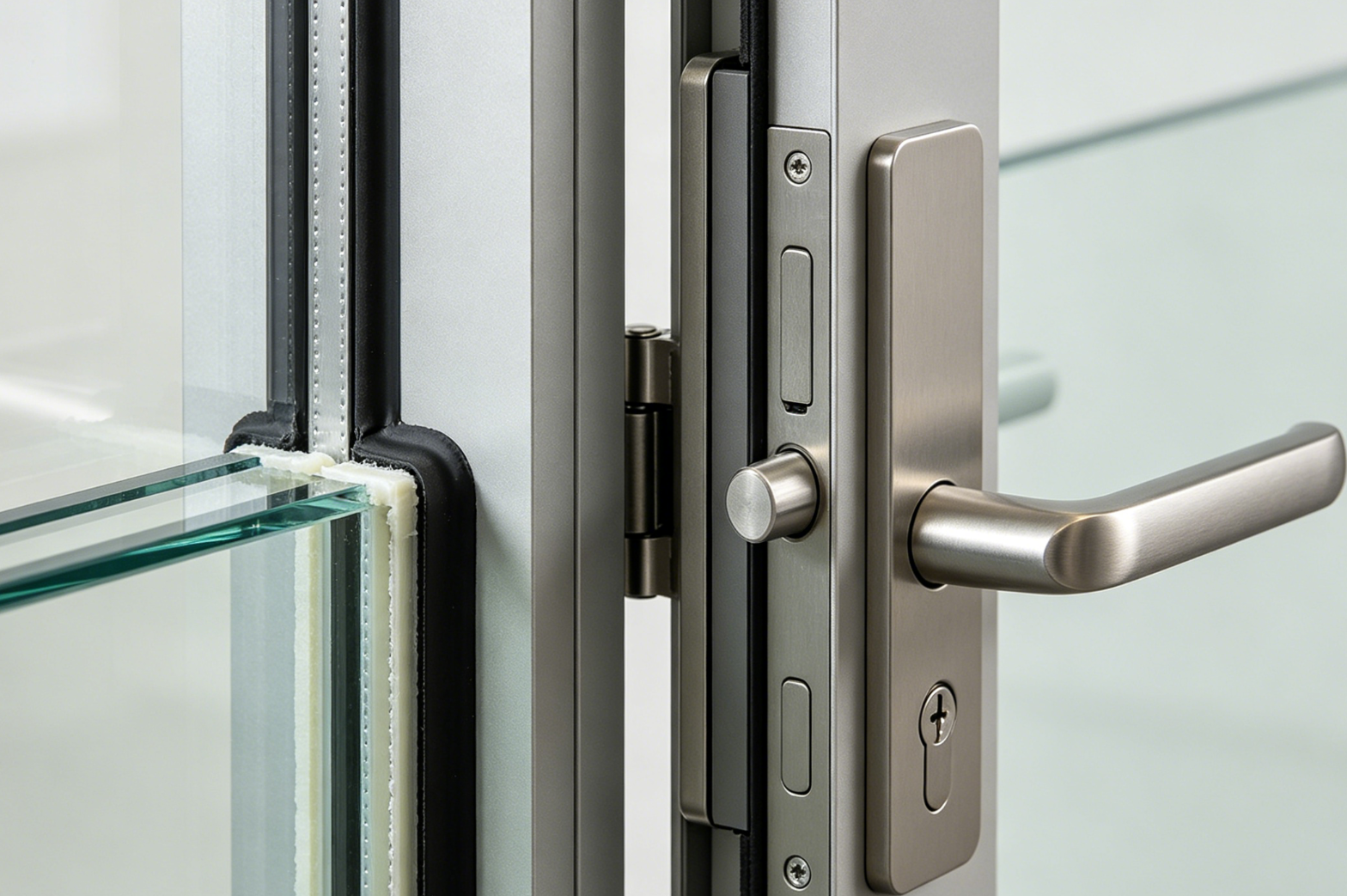
5. Review Drawings Before Production
Compatibility cannot be judged only from product names. Buyers should send project drawings before quotation so the supplier can review opening size, wall thickness, door direction, frame position and installation condition.
Floor plan and elevation drawing
Opening width and height
Wall thickness and wall type
Glass size and quantity
Door opening direction
Hardware and access control needs
Compatibility Checklist Before Ordering
Does the frame match the required fire rating?
Is the frame depth suitable for the glass thickness?
Are fireproof seals and gaskets included?
Are glazing beads and fixing details confirmed?
Is the door hardware suitable for glass weight and traffic use?
Have drawings been reviewed before production?
Is the system suitable for the actual installation wall?
Conclusion
Fire rated glass must match the frame system to achieve reliable project performance. Buyers should not only check the glass rating, but also confirm frame profile, seals, gaskets, glazing beads, hardware and installation drawings. A complete system review before production can reduce compliance risk, installation errors and project rework.
Need Help Checking Glass And Frame Compatibility?
Send us your drawings, fire rating, glass size and frame requirements. Our team will help review whether the fire rated glass matches your frame system.
Contact Us Get Quote