Application Guide for Fire-Rated Glass Partitions in Meeting Rooms and Offices
Application Guide for Fire-Rated Glass Partitions in Meeting Rooms and Offices
Defining Safety and Compliance Requirements: The First Step in Specification
Before selecting a design, the initial and most critical step is to establish the precise fire safety requirements for the partition. This is dictated by local building codes and the fire compartmentation strategy of the building. Determine the required fire resistance rating (e.g., 30, 60, or 90 minutes) and the performance class. In office and meeting room applications, the EI rating is most common, as it provides both Integrity (E) to prevent flame and smoke passage and Insulation (I) to limit heat transfer, protecting occupants in adjacent spaces. The partition's location is key: a wall separating a meeting room from a corridor or a different tenancy will have a higher rating requirement than an internal partition between two collaboration spaces. The fire-rated glazing system must be tested and certified as a complete assembly, including the glass, framing, and all perimeter seals. Compliance is non-negotiable; therefore, the initial project specification should explicitly call for systems with valid fire test certificates (e.g., to BS, EN, or UL standards) from manufacturers like PYRONANO. This upfront clarity ensures the selected solution meets the legal safety mandate, forming the non-negotiable foundation for all subsequent design choices.
Optimizing for Functionality, Aesthetics, and Acoustic Performance
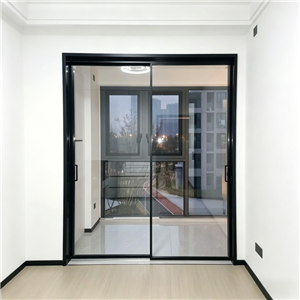
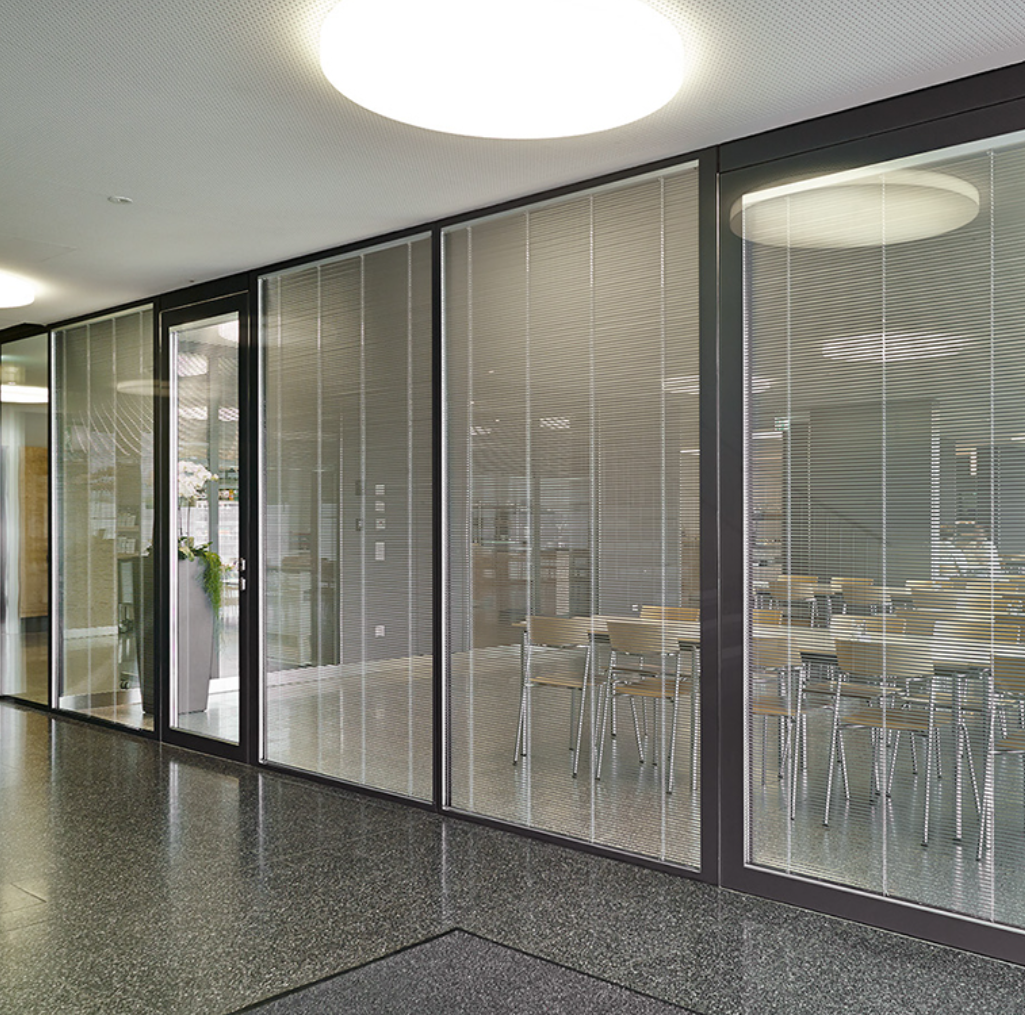
Once the fire rating is secured, the focus shifts to creating partitions that enhance the workspace. Functionality is paramount. Consider the need for operable panels (sliding or swinging doors) within the partition for flexible access and space reconfiguration. For meeting rooms, excellent acoustic performance is crucial to ensure speech privacy. Specify partitions with a high Sound Transmission Class (STC) rating, which can be achieved through specialized laminated glass constructions with acoustic interlayers. Aesthetic integration is equally important. Modern systems offer a range of options: sleek frameless systems with minimal silicone joints for a seamless, modern look, or slender aluminum framing in various finishes. The glass itself can be clear for maximum transparency and visual connection, or options like fritted glass, tinted glass, or even switchable privacy glass can be integrated for controlled transparency. The goal is to allow natural light to permeate the office floorplate, fostering an open, collaborative environment while still providing defined, safe, and private spaces. A partner like PYRONANO can provide solutions that balance these functional and aesthetic demands without compromising the certified fire rating, ensuring the partitions are assets, not just necessities.
The Critical Role of Professional Specification, Integration, and Installation
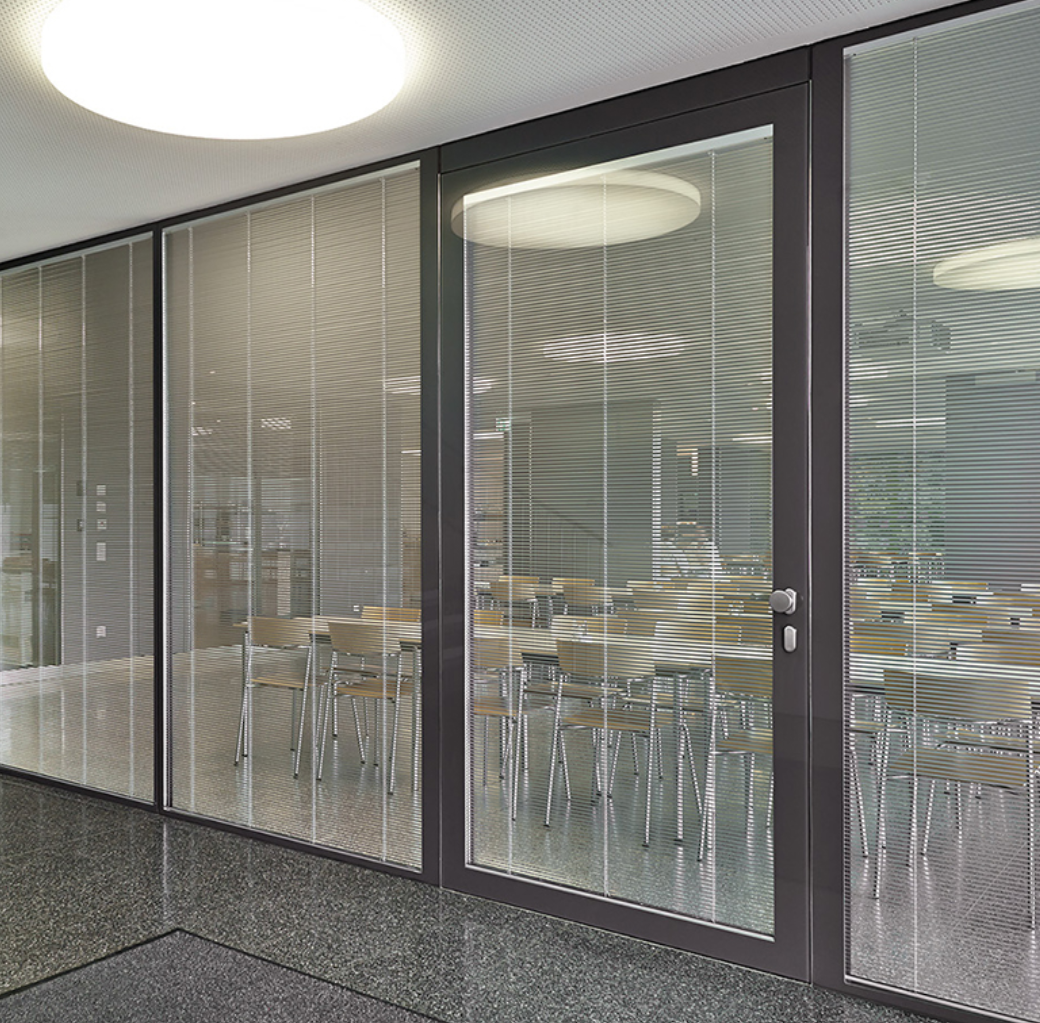
The final stage, and one that guarantees performance, is the correct specification and installation of the system. A fire-rated glass partition is a precision-engineered assembly. Its performance depends on the compatibility of all components—the fire-resistant glass panels, the rated framing (steel or aluminum), the intumescent perimeter seals, and the fire-stopping details where it meets the ceiling, floor, and walls. This requires comprehensive technical support from the manufacturer. Detailed shop drawings, structural calculations (for wind load or deflection if needed), and a clear installation methodology are essential. Professional installation by certified technicians is mandatory; they ensure the framework is perfectly plumb and level, the glass is seated correctly on specialized setting blocks, and all fire seals are installed without gaps. A post-installation inspection should verify compliance. Furthermore, consider future maintenance; the system should allow for easy glass replacement if damaged without compromising the fire rating. By partnering with a manufacturer like PYRONANO that provides this end-to-end support—from specification and testing documentation to on-site installation guidance—you ensure the partition system is not only compliant on paper but performs as a reliable, long-term safety barrier in the real world.
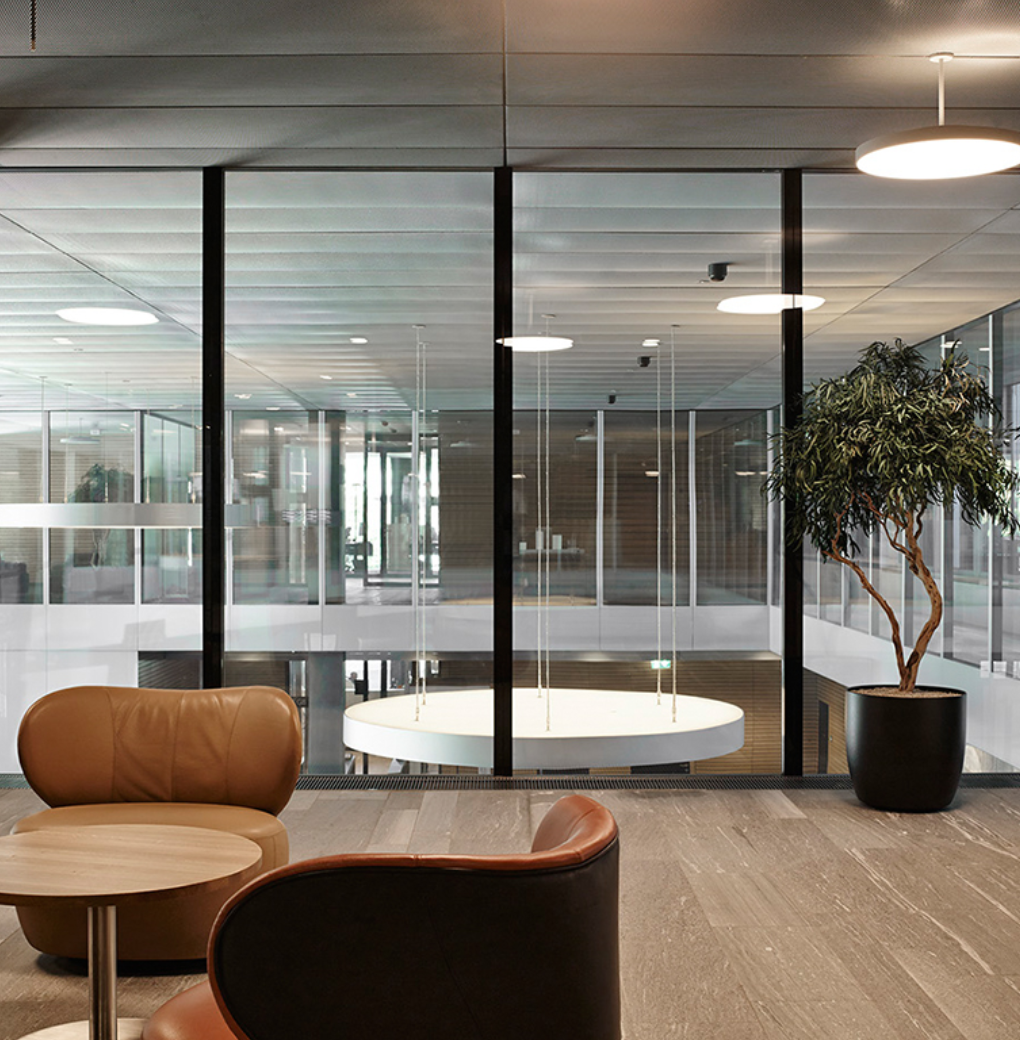
In conclusion, successfully applying fire-rated glass partitions in meeting rooms and offices is a three-phase process that moves from non-negotiable code compliance, through thoughtful optimization for human-centric functionality and design, and culminates in precise technical execution. It transforms a mandatory safety element into a strategic tool that can define space, transmit light, enable collaboration, and ensure privacy—all while providing invisible, certified protection. By following this guided approach and collaborating with expert manufacturers like PYRONANO, architects and designers can specify partition solutions that truly meet the triple bottom line of modern workspace design: safety, functionality, and aesthetics.