Design and Load-Bearing Standards for Fire-Resistant Glass Floors Explained
Design and Load-Bearing Standards for Fire-Resistant Glass Floors Explained
The Foundational Principle: Integrating Fire Resistance with Structural Integrity
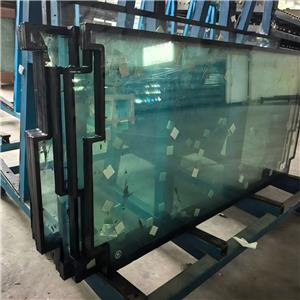
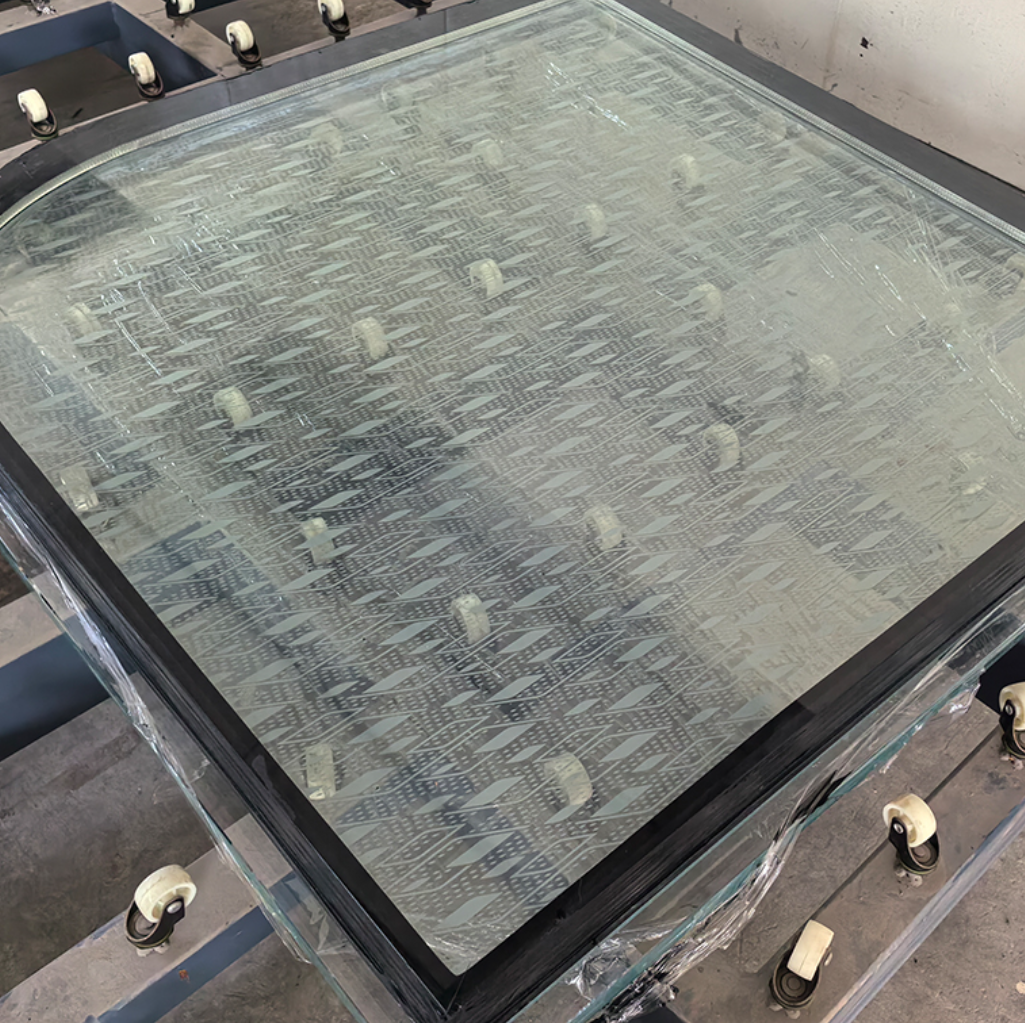
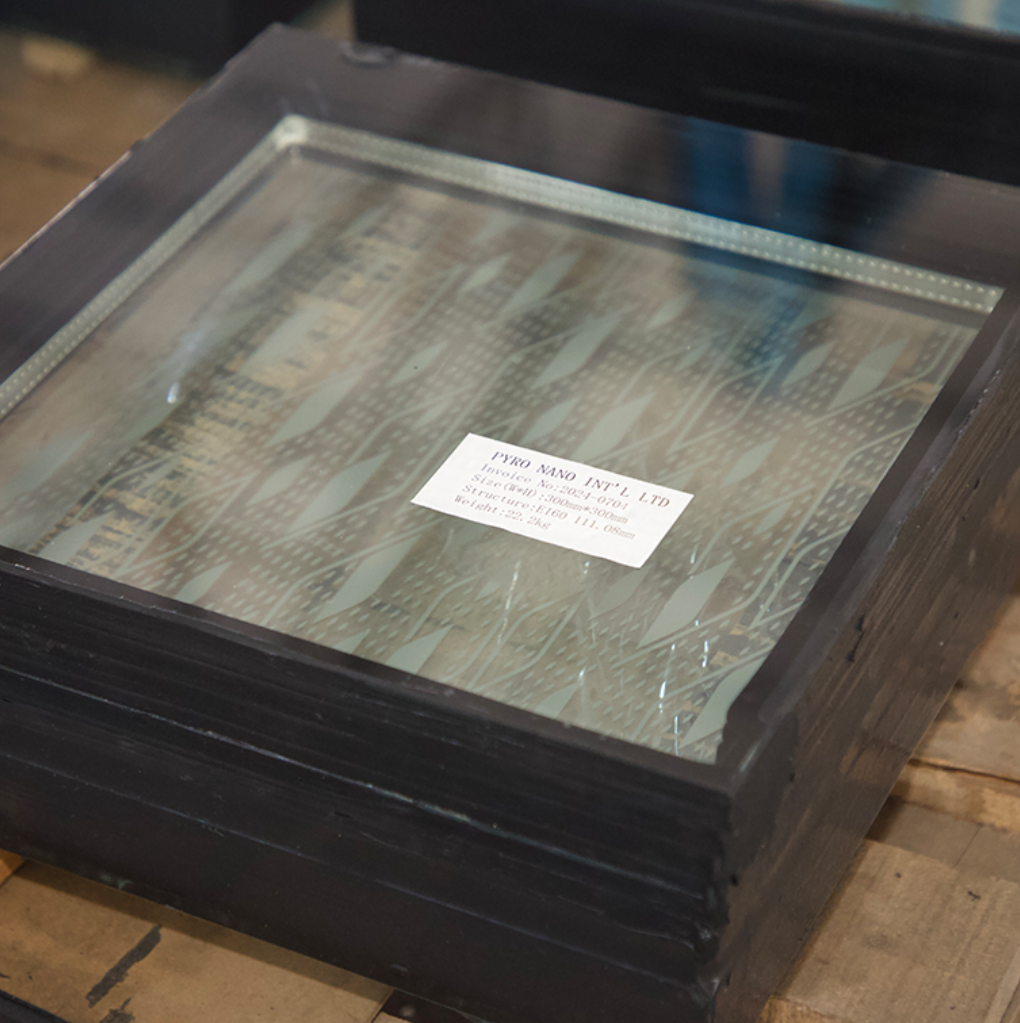
A Fire-Resistant Glass Floor is a sophisticated building component that must satisfy two equally critical, and often conflicting, performance demands: fire resistance and structural load-bearing. The design philosophy revolves around integrating these functions into a single, unified assembly. Unlike standard floors, these systems use specially engineered laminated glass panels. The core typically consists of multiple plies of tempered or heat-strengthened glass, bonded with interlayers of fire-resistive intumescent material. In a fire, this interlayer expands to form an insulating char, providing the required fire rating (e.g., EI 60). However, the glass itself, along with its supporting framework, must also be designed to safely carry the intended live loads (people, furniture) and dead loads (its own weight) under normal conditions. This necessitates rigorous calculations for deflection limits, stress distribution, and point load resistance. The design must also consider long-term durability under cyclic loading. Therefore, the initial design phase is a meticulous balancing act, ensuring the selected materials and configuration meet both the thermal insulation criteria of fire standards and the mechanical strength requirements of structural building codes. This dual-purpose design is what distinguishes a true fire-resistant glass floor from a simple glass floor with a separate, underlying fire barrier.
Key Load-Bearing Standards and Safety Factors
The structural performance of a glass floor is governed by international standards that define safety factors and test methods. Key reference standards include those for glass in building (e.g., EN 12600 for impact performance, ASTM E1300 for load resistance) and specific guidelines for walk-on glass. The most critical parameter is the design load, typically expressed as a Uniformly Distributed Load (UDL) in kilopascals (kPa) or pounds per square foot (psf). For commercial public areas, this can range from 3.0 kPa to 5.0 kPa or higher, simulating crowded conditions. Equally important is the concentrated point load, which simulates the impact of high heels or heavy, small-footprint objects. The glass must resist this without catastrophic failure. Safety is paramount, so a significant safety factor (often 4 or higher) is applied to the ultimate strength of the glass to determine the permissible design stress. The design also strictly limits maximum deflection (sag) to prevent a "bouncy" or unstable feeling, usually to span/300 or less. The entire system—including the glass panels, the supporting framework (often a steel or aluminum substructure), and the fixing connections—must be analyzed as a whole. Manufacturers like PYRONANO conduct finite element analysis (FEA) modeling and physical load testing on full-scale mock-ups to validate performance, ensuring the assembly can withstand decades of use while providing a predictable, safe deflection under load.
System Integration, Installation, and Long-Term Compliance
The final and most crucial stage is translating the design into a safely installed, compliant floor. A fire-resistant glass floor is a pre-engineered system, not a collection of parts assembled on-site. The supporting structure—whether a perimeter frame, a grid of beams, or point-fixings—must be designed in tandem with the glass panels, with precise tolerances for leveling and load transfer. The connection points use specialized structural silicone or bolted fittings that accommodate movement and distribute stress. For fire resistance, the perimeter details are critical; intumescent seals or fire-stopping barriers must be integrated where the glass meets walls or other structures to maintain the fire compartment's integrity. The installation surface must be perfectly level and stable. Professional installation by teams certified by the manufacturer, like PYRONANO's technical partners, is non-negotiable. They follow precise installation manuals and use calibrated equipment. Post-installation, the floor undergoes final inspections and, often, a proof load test to verify performance. Ongoing maintenance involves using correct cleaning agents to avoid damaging interlayers and periodic inspections of fixings and seals. This holistic approach—from system design and certification to meticulous installation and maintenance—ensures the glass floor remains a safe, code-compliant, and stunning architectural feature for the life of the building.
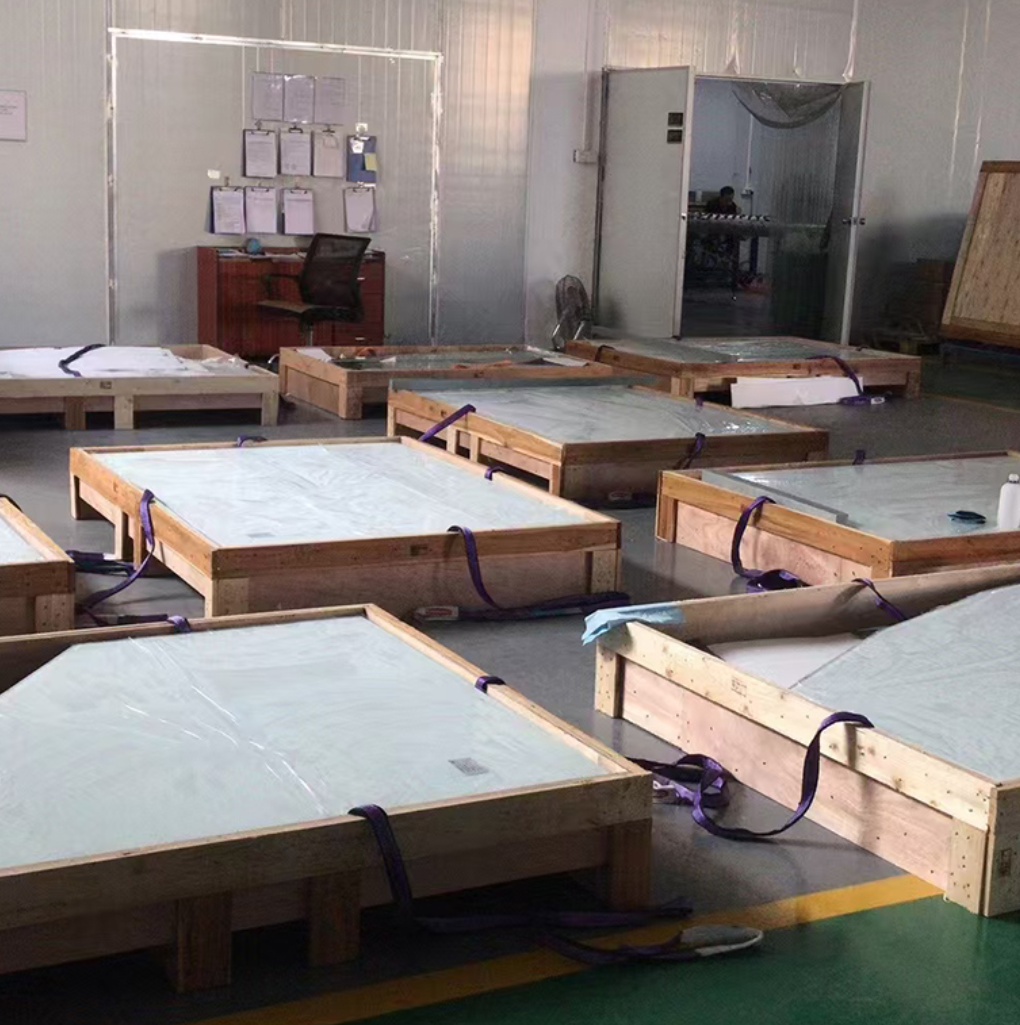
In summary, the design and implementation of a fire-resistant glass floor represent a pinnacle of interdisciplinary engineering, merging fire safety science with structural glass technology. It demands adherence to stringent, dual-nature standards for both fire compartmentation and load-bearing safety. Success hinges on a holistic, system-based approach championed by specialists like PYRONANO—where advanced material selection, precise engineering analysis, full-scale performance testing, and flawless professional installation converge. The result is not merely a transparent surface, but a dependable, code-compliant architectural element that confidently carries the weight of people and activity while standing as a resilient barrier against fire, thereby enabling awe-inspiring, open, and light-filled spaces without compromising on fundamental safety.