Can Your Fire Rated Glass Meet Local Building Codes
Understanding Fire Rated Glass Compliance Standards (UL / EN / BS)
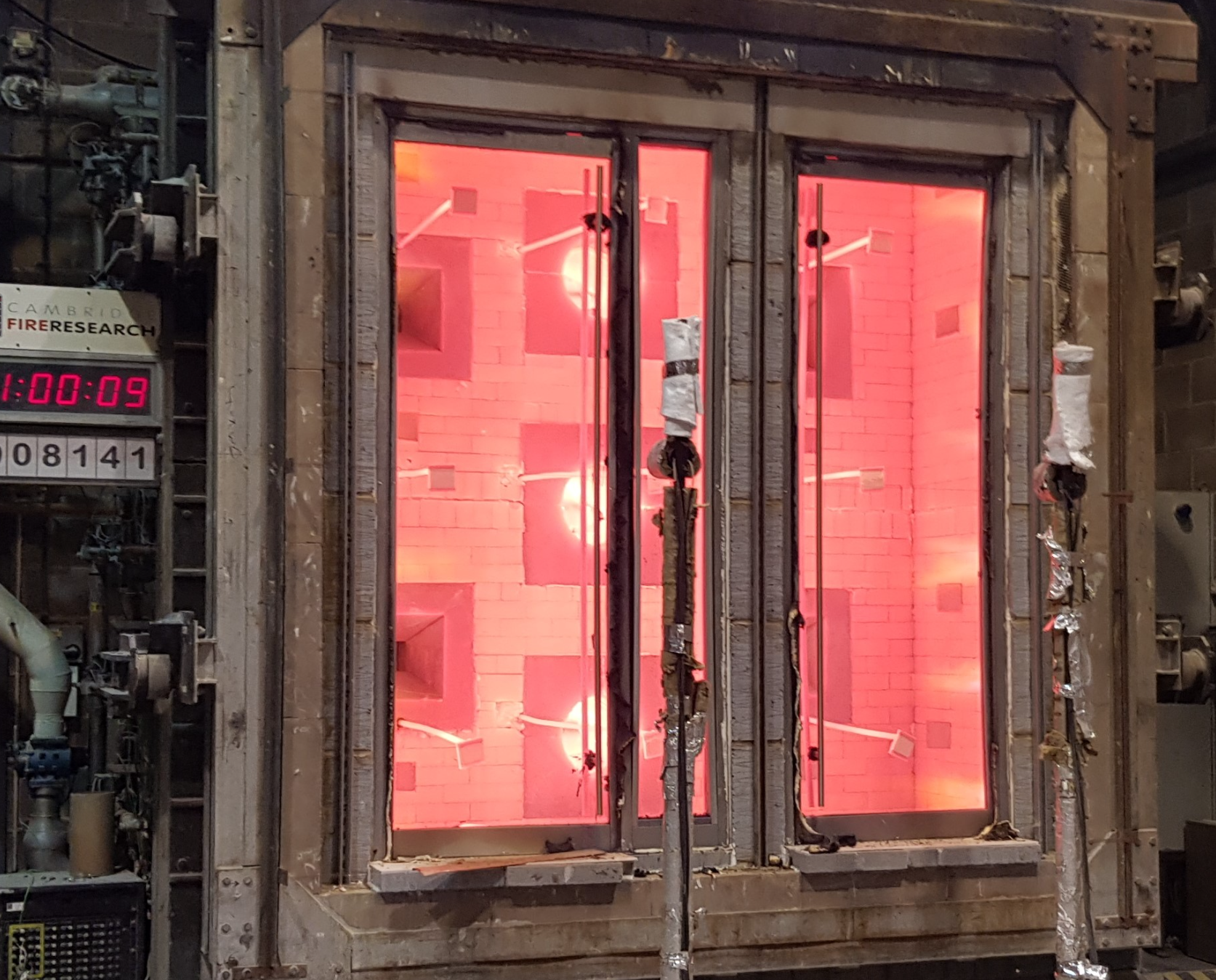
When sourcing fire rated glass for international projects, compliance with local building codes is not optional—it is the foundation of project approval. Different regions follow different fire safety standards, such as UL (United States), EN (Europe), and BS (United Kingdom). Each standard defines not only fire resistance duration (e.g., EI30, EI60, EI120) but also performance criteria like integrity and insulation.
A critical factor many buyers overlook is the difference between glass-only certification and system certification. In most real construction scenarios, fire rated performance is evaluated as a complete system, including glass, frame, sealants, and installation method. If the certification only applies to the glass itself, it may not pass final inspection.
Professional suppliers should be able to provide:
Full test reports (not just certificates)
Third-party verification (SGS, Intertek, etc.)
Clear indication of applicable standards per product
If your supplier cannot clearly explain which standard their product meets, it is a major risk signal.
Matching Fire Glass Performance with Local Project Requirements
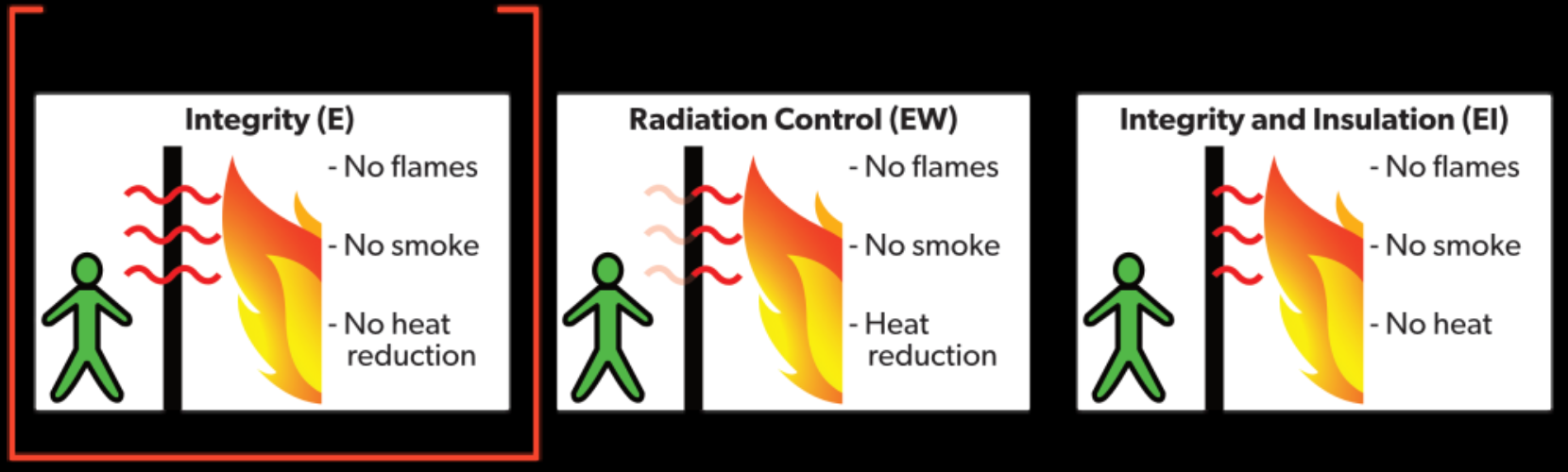
Even if a product is certified, it does not guarantee it can be used in your specific project. Local authorities and building inspectors often require strict alignment between product performance and application scenarios.
For example:
Partition walls may require EI rating (integrity + insulation)
Doors may require additional impact resistance
Large panels may have size limitations under certification
Additionally, different countries enforce:
Specific glazing thickness
Frame compatibility requirements
Installation method approvals
Experienced suppliers will not just sell a product—they will help you match:
Fire rating level to application (EI vs EW vs E)
Glass size to certification limits
Structure design to compliance rules
The real question is not “Is it certified?” but “Is it approved for my project?”
Risk Control: How to Ensure Approval and Avoid Project Failure
Failure to meet local building codes can result in project delays, reinstallation costs, or even rejection by authorities. This is why experienced international buyers focus heavily on risk control before placing orders.
Key risk control measures include:
Requesting full compliance documentation package
Verifying real project references in similar regions
Confirming system compatibility (glass + frame)
Checking production consistency for large orders
A reliable supplier should also offer:
Pre-project consultation
Technical drawings and installation guidance
Fast response for compliance clarification
In high-value construction projects, compliance is not just a requirement—it is a guarantee of delivery success.
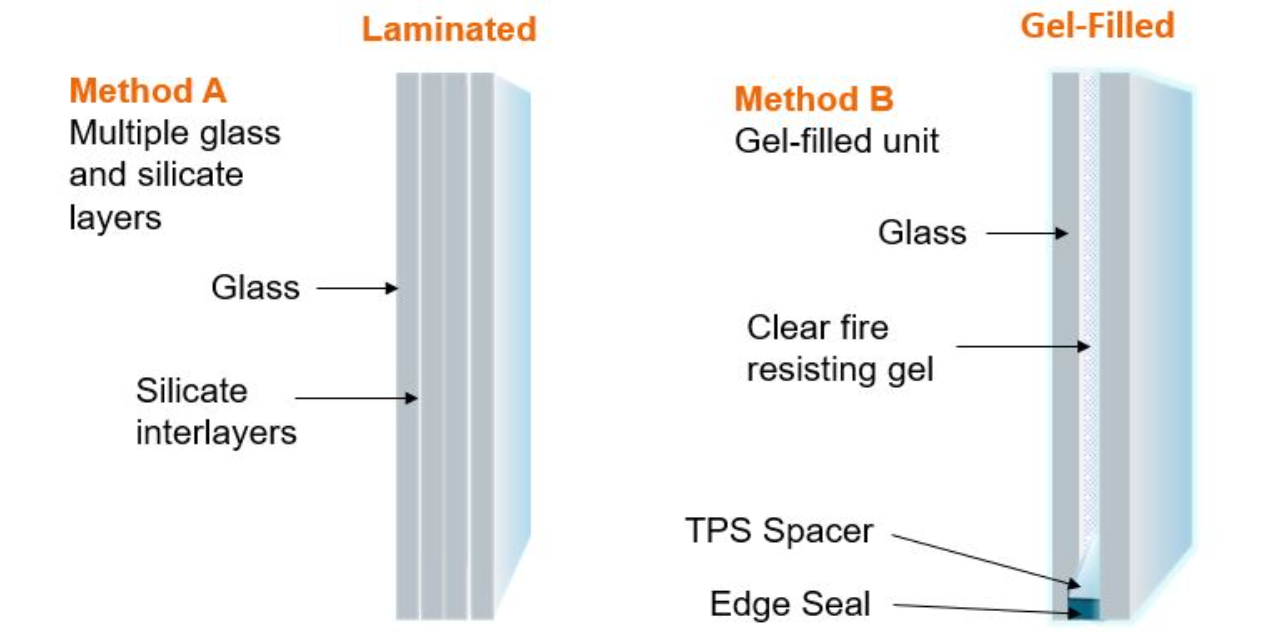
Choosing fire rated glass is not just about product quality—it is about whether the product can pass inspection, be installed correctly, and perform reliably in real conditions. A qualified supplier should not only provide certified products but also support your project from compliance verification to final installation.
If your fire glass cannot meet local building codes, everything else becomes irrelevant.