Comparing Different Types of Fire-Resistant Glass: Tempered, Laminated, Composite Differences
Comparing Different Types of Fire-Resistant Glass: Tempered, Laminated, Composite Differences
Tempered and Wired Glass: Basic Integrity with Significant Limitations
At the foundation of fire-resistant glazing are tempered glass and its variant, wired glass. Tempered glass (or toughened glass) undergoes a heat treatment that makes it 4-5 times stronger than annealed glass and causes it to break into small, relatively harmless granules. This property makes it suitable for safety glazing in doors and partitions, but its fire resistance is limited. Standard tempered glass alone provides no certified fire rating. However, it is a critical component within more advanced fire-resistant glass products due to its strength. Wired glass embeds a steel wire mesh within the glass. In a fire, the wire mesh helps hold the glass in place after it cracks, providing a basic level of integrity (E rating) for a short period (typically 20-30 minutes) by preventing a large opening. However, it fails the insulation (I) test completely, allowing intense radiant heat to pass through immediately. It also has lower impact safety and provides poor aesthetics due to the visible wire mesh. These types represent early solutions and are generally unsuitable for modern, high-performance fire compartmentation where both integrity and insulation are required for protected escape routes.
Laminated Fire-Resistant Glass: Enhanced Safety and Mid-Level Performance
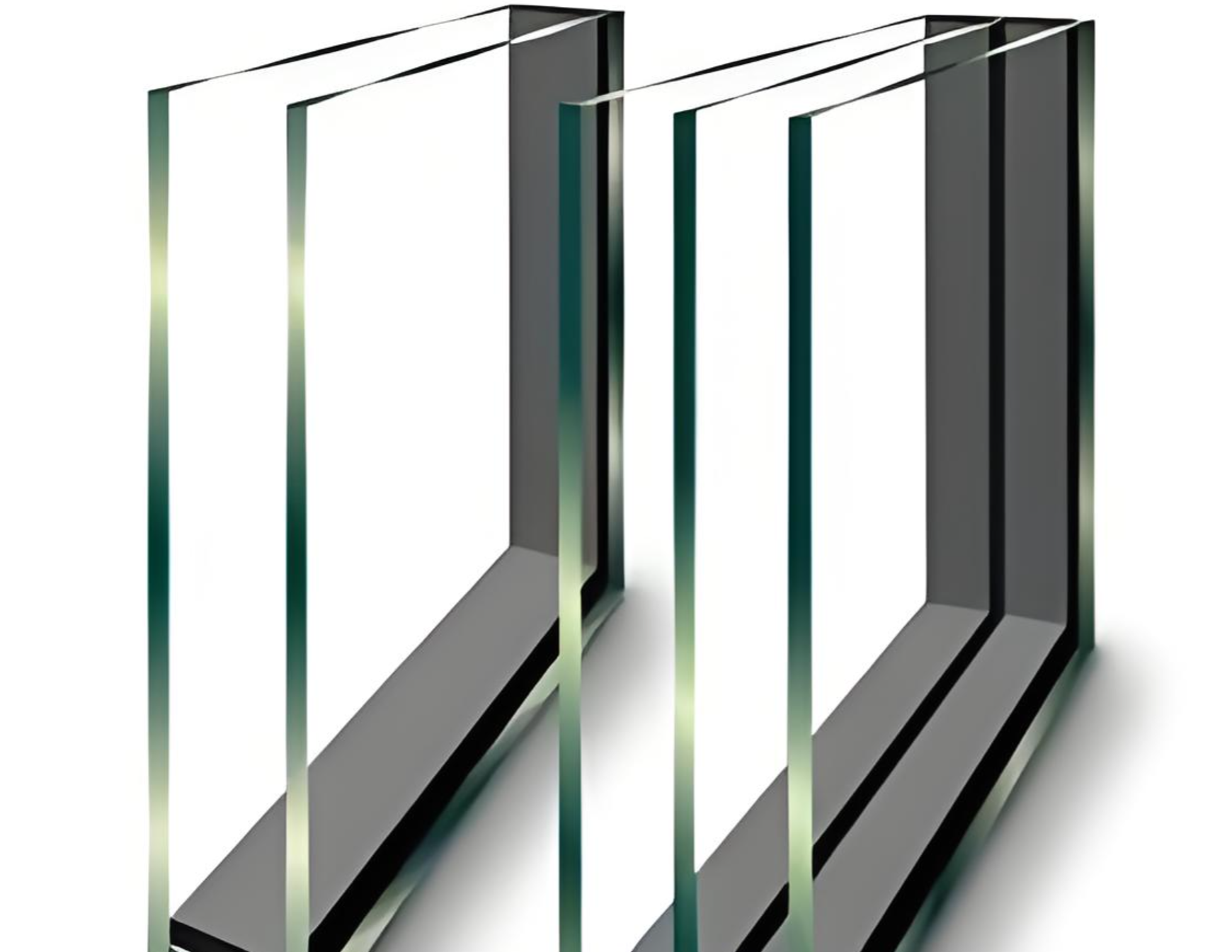
Laminated fire-resistant glass is a significant step up, primarily focusing on enhanced safety and integrity. It is constructed by bonding two or more plies of glass (often tempered or heat-strengthened) with one or more clear polyvinyl butyral (PVB) interlayers. Under impact, the glass may crack, but the fragments adhere to the flexible PVB, preventing them from falling and creating a hazardous opening—this is its primary function for impact safety and security. In terms of fire resistance, standard PVB-laminated glass can provide integrity (E rating) for longer durations than wired glass (e.g., E 30, E 60) because the interlayer helps hold the glass together. However, like wired glass, it offers minimal thermal insulation; the PVB interlayer burns away, and radiant heat passes through rapidly once the glass cracks. Therefore, while excellent for applications requiring safety glazing and flame/smoke blockage (like some interior partitions not on escape routes), it does not meet the more stringent EI (Insulated Integrity) classification needed to protect escape corridors from heat. It is a common choice for fire-rated doors and screens where insulation is not a code-mandated requirement.
Composite Fire-Resistant Glass: The High-Performance EI Solution
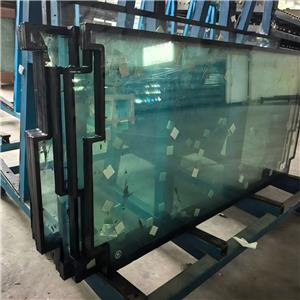
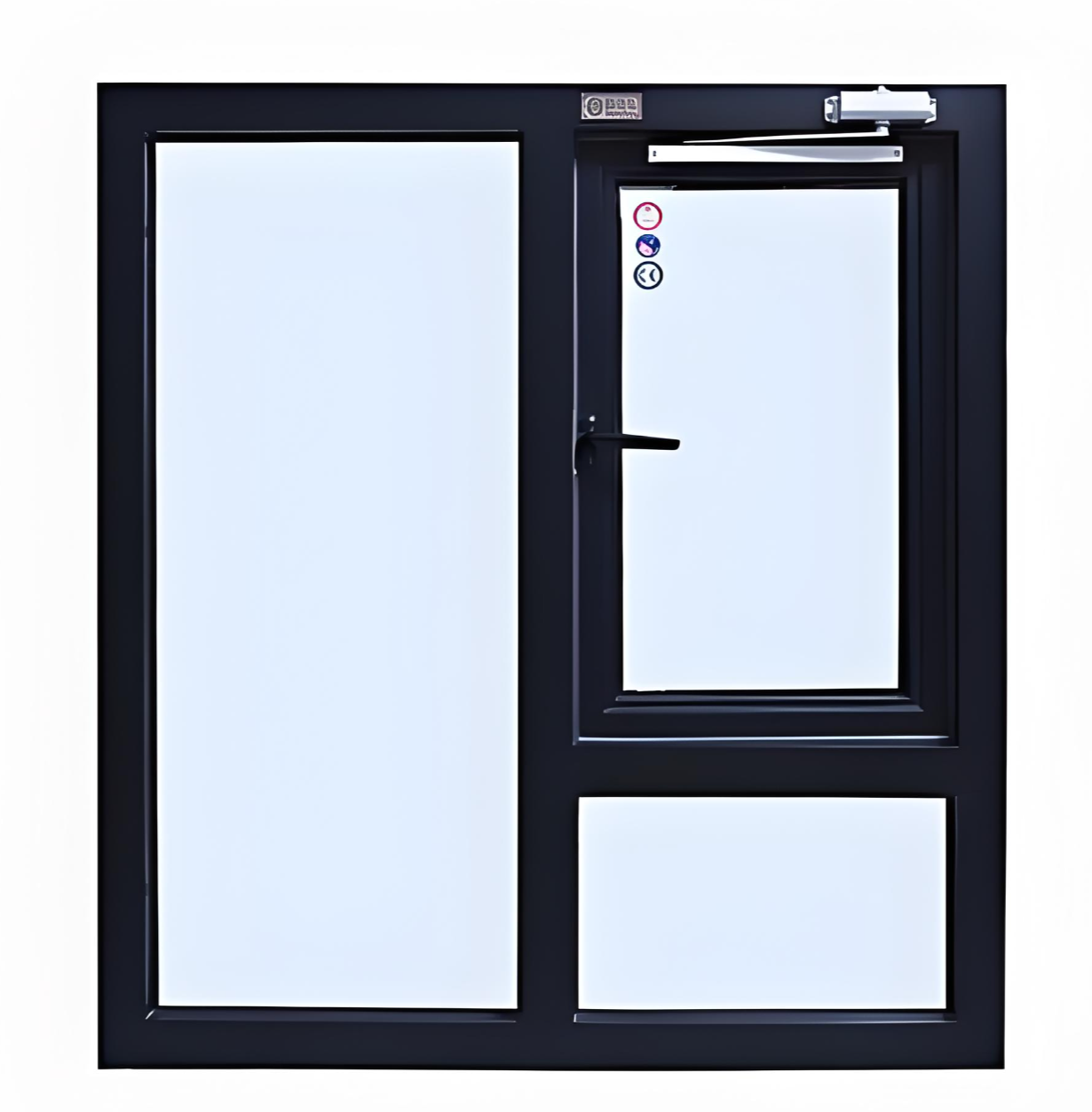
Composite fire-resistant glass, such as the advanced products engineered by PYRONANO, represents the current pinnacle of technology, specifically designed to achieve the critical EI classification. This glass is a multi-layered laminate, but instead of a standard PVB interlayer, it incorporates a specially formulated, transparent intumescent interlayer (or multiple layers of it) sandwiched between sheets of glass. Under normal conditions, it offers excellent clarity. When exposed to the heat of a fire, the intumescent layer undergoes a chemical reaction, swelling to many times its original thickness to form a rigid, opaque, foamed insulating barrier. This barrier is the key differentiator. It simultaneously provides Integrity (E) by holding the glass plies together and blocking flames, and Insulation (I) by dramatically reducing the transfer of radiant and conductive heat to the protected side. This allows it to achieve ratings like EI 60 or EI 120, making it mandatory for walls and doors protecting escape stairwells, corridors, and other fire compartments. It is thicker and more specialized than laminated glass but is the only type that provides true, code-compliant compartmentation for life safety. PYRONANO specializes in these high-performance composite systems, enabling safe, transparent design in the most critical areas of a building.
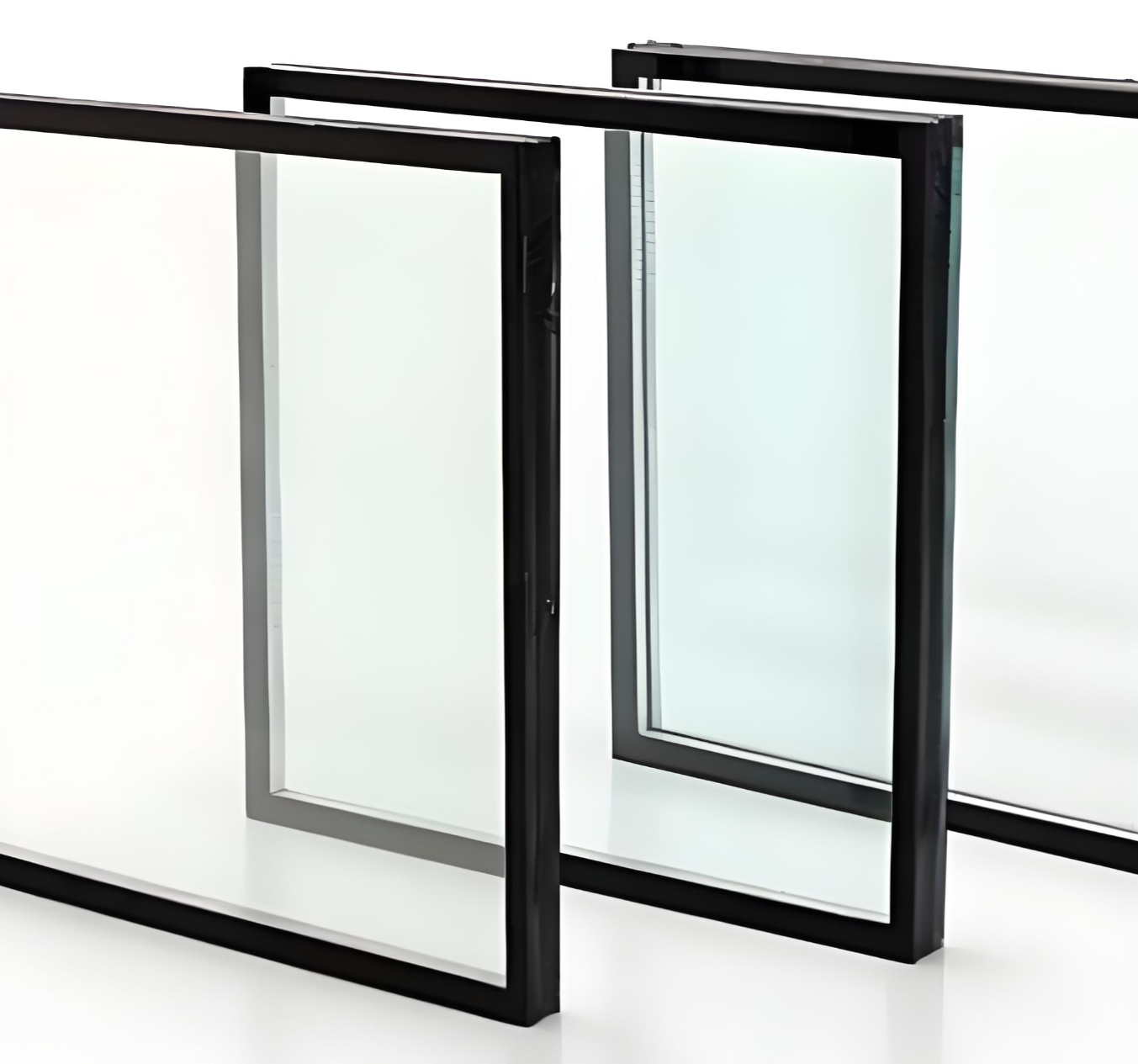
In summary, the world of fire-resistant glass is stratified by performance. Tempered and wired glasses offer basic, often insufficient, integrity. Standard laminated glass provides improved integrity and impact safety but lacks vital insulation. High-performance composite glass, with its intumescent core, is the only solution that delivers the complete EI-rated performance required by modern building codes for life-critical compartments. The choice is not merely aesthetic or budgetary, but fundamentally about the level of life safety the application demands. Understanding these critical differences—between simple integrity and full insulated integrity—empowers specifiers to select the correct glass type, ensuring that transparency in design never comes at the expense of certified, reliable protection in a fire. For applications where safety is paramount, composite EI glass from a trusted manufacturer like PYRONANO is the definitive choice.