Fire-Rated Glass Swing Doors vs. Sliding Doors
Fire-Rated Glass Swing Doors vs. Sliding Doors
Fire-Rated Swing Doors: The Classic Choice for Defined Entryways and Egress
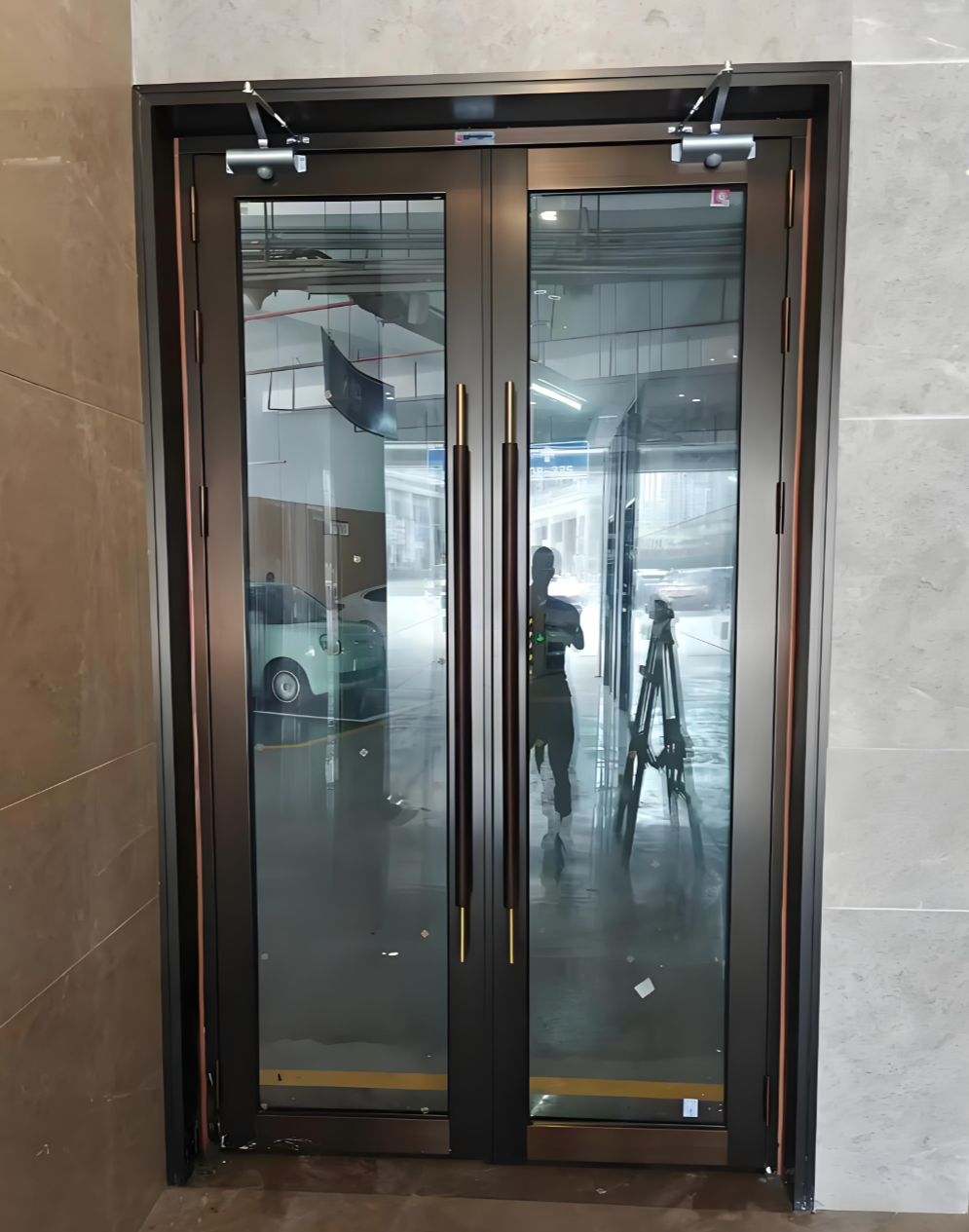
Fire-rated glass swing doors are the most common and traditional type, operating on a system of hinges that allow the door leaf to pivot inward or outward. Their primary application is in standard doorways that serve as clear points of entry and egress, such as entrances to stairwells, corridor doors, and room access points. A key advantage is their intuitive operation, which aligns with building codes for emergency exits; in a panic situation, people instinctively push or pull. Swing doors provide a positive, full-perimeter seal when closed, which is crucial for maintaining the integrity of the fire compartment. They are typically rated for high durations (EI 60, EI 90, EI 120) and are an integral part of a building’s passive fire protection strategy. However, their main spatial consideration is the door swing arc or clearance zone. This area must remain completely unobstructed at all times to ensure the door can open fully in an emergency, which can impact furniture placement and space planning adjacent to the doorway. For wider openings, double-leaf swing doors with coordinated closing hardware are used, but they still require significant lateral clearance for both leaves to open.
Fire-Rated Sliding Doors: Maximizing Space Efficiency in Modern Layouts
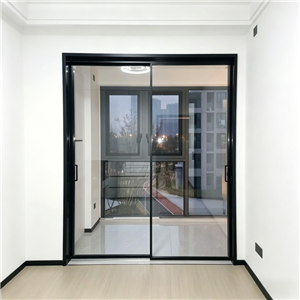
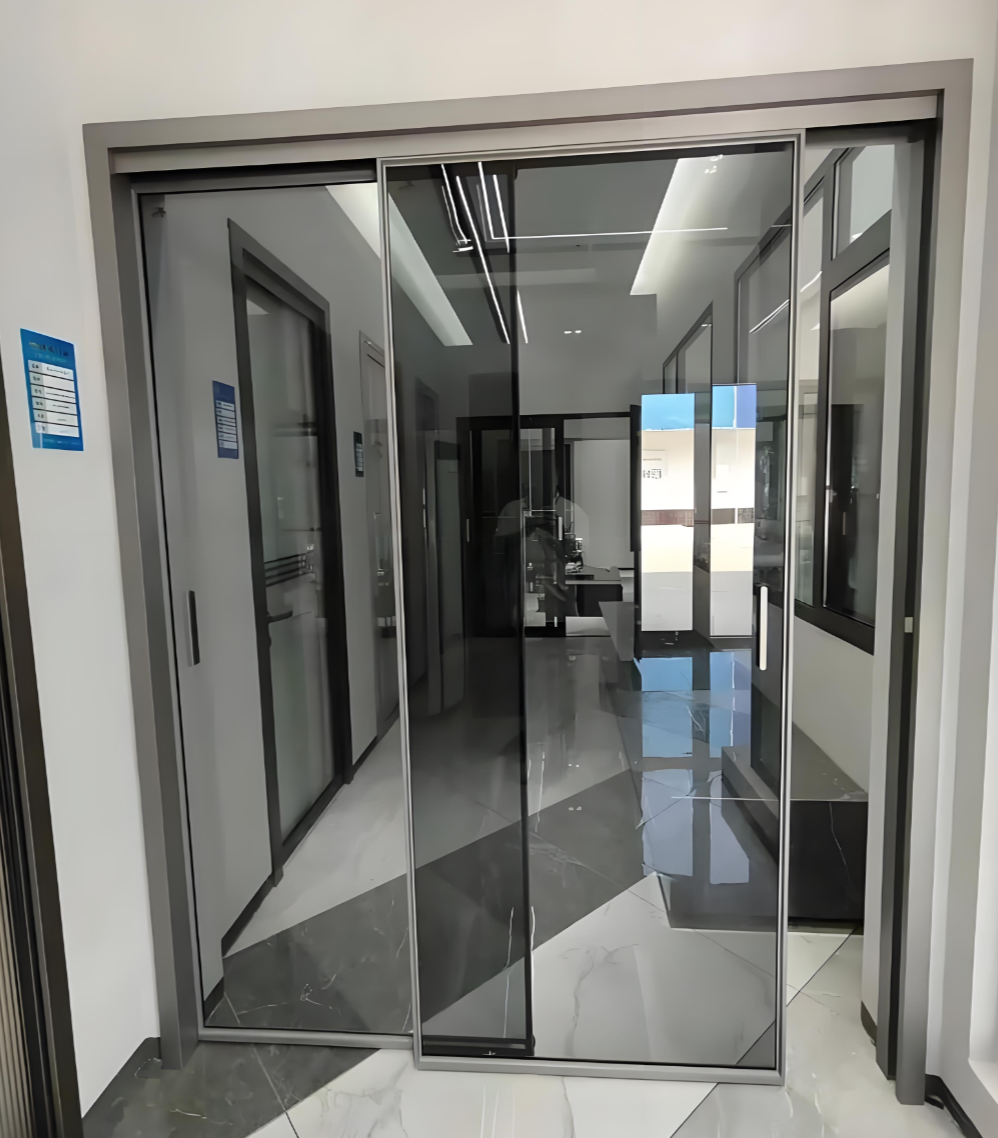
Fire-rated glass sliding doors, also known as glide or bypass doors, operate on a track system, with the door panel sliding horizontally parallel to the wall. Their standout benefit is exceptional space efficiency. Since they do not swing into a room or corridor, they require zero floor space clearance, making them ideal for tight areas, high-traffic zones, or locations where furniture or equipment would obstruct a swing door’s arc. This makes them perfect for modern office partitions, conference room dividers, and retail storefronts where maximizing usable floor area is a priority. They offer the same level of certified fire protection (e.g., EI 60) as swing doors when fully closed and latched. However, their operation differs. They are not typically recognized as primary emergency exit doors in building codes due to their sliding motion, which can be less intuitive under panic. Therefore, they are often specified in pairs with a rated swing door nearby for egress, or used in applications where the door is not on a mandated escape route. Their installation requires a robust overhead track or floor guide system, and the design must account for the wall space needed to accommodate the door when in the fully open position.
Key Decision Factors: Code Compliance, Traffic Flow, and Aesthetics
Choosing between swing and sliding fire-rated doors involves evaluating several project-specific factors beyond personal preference. First and foremost is building code and egress compliance. If the door is on a designated fire escape route or serves as a primary exit, a swing door is almost always required. The second factor is traffic flow and space utilization. For high-traffic corridors, lobbies, or space-constrained interiors where maintaining a clear swing zone is impractical, sliding doors are superior. Consider the frequency of use; a main entrance door used constantly benefits from the straightforward operation of a swing door, while a partition between a conference room and a common area that is often left open benefits from the space-saving design of sliding doors. Aesthetic intent also plays a role. Sliding doors, especially in minimal frameless systems, can create a cleaner, more continuous glass wall appearance when open. Swing doors offer a more traditional architectural statement. Manufacturers like PYRONANO provide both options as part of their certified glazing systems. The optimal choice is one that satisfies the life safety mandate, optimizes the functional use of space, and complements the architectural design, ensuring the door is a seamless asset, not a compromise.
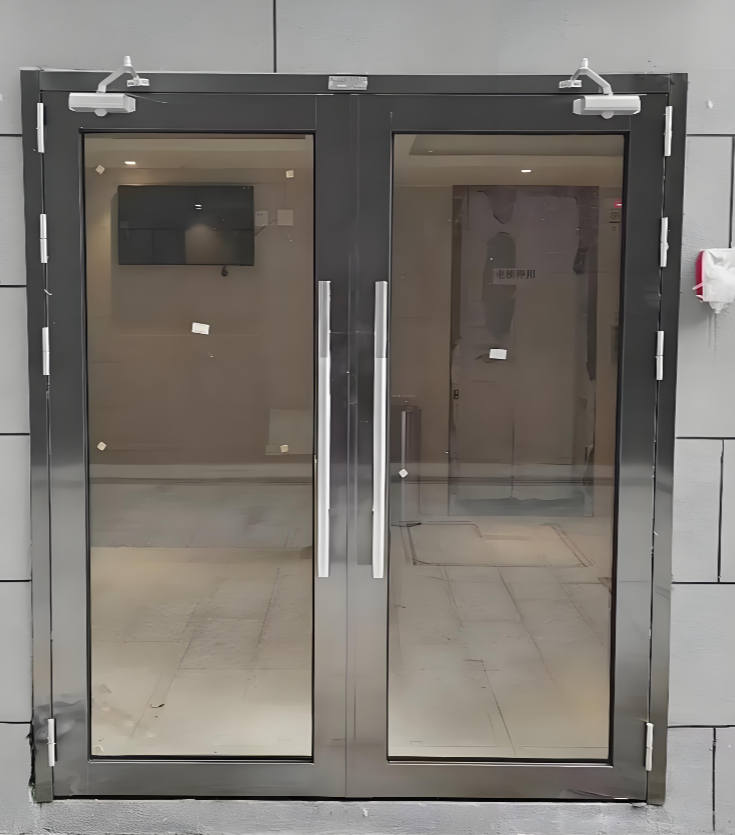
In summary, the choice between fire-rated glass swing doors and sliding doors is not about which is universally better, but which is optimally suited to the specific application. Swing doors remain the undisputed standard for code-compliant egress, offering robust protection with a familiar operation. Sliding doors excel in space-conscious modern designs, preserving floor area and enabling flexible, open-plan environments while providing equal fire resistance. By carefully analyzing the project’s egress requirements, spatial constraints, and functional needs—and by consulting with technical experts from manufacturers like PYRONANO—designers and specifiers can select the door mechanism that delivers uncompromising safety, seamless functionality, and architectural coherence. The right door is the one that disappears into the fabric of the building, working perfectly when needed most.