Comparing the Performance of Monolithic vs. Laminated Fire-Resistant Glass
Comparing the Performance of Monolithic vs. Laminated Fire-Resistant Glass
Fundamental Differences in Construction and Basic Performance
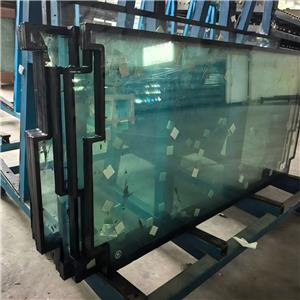
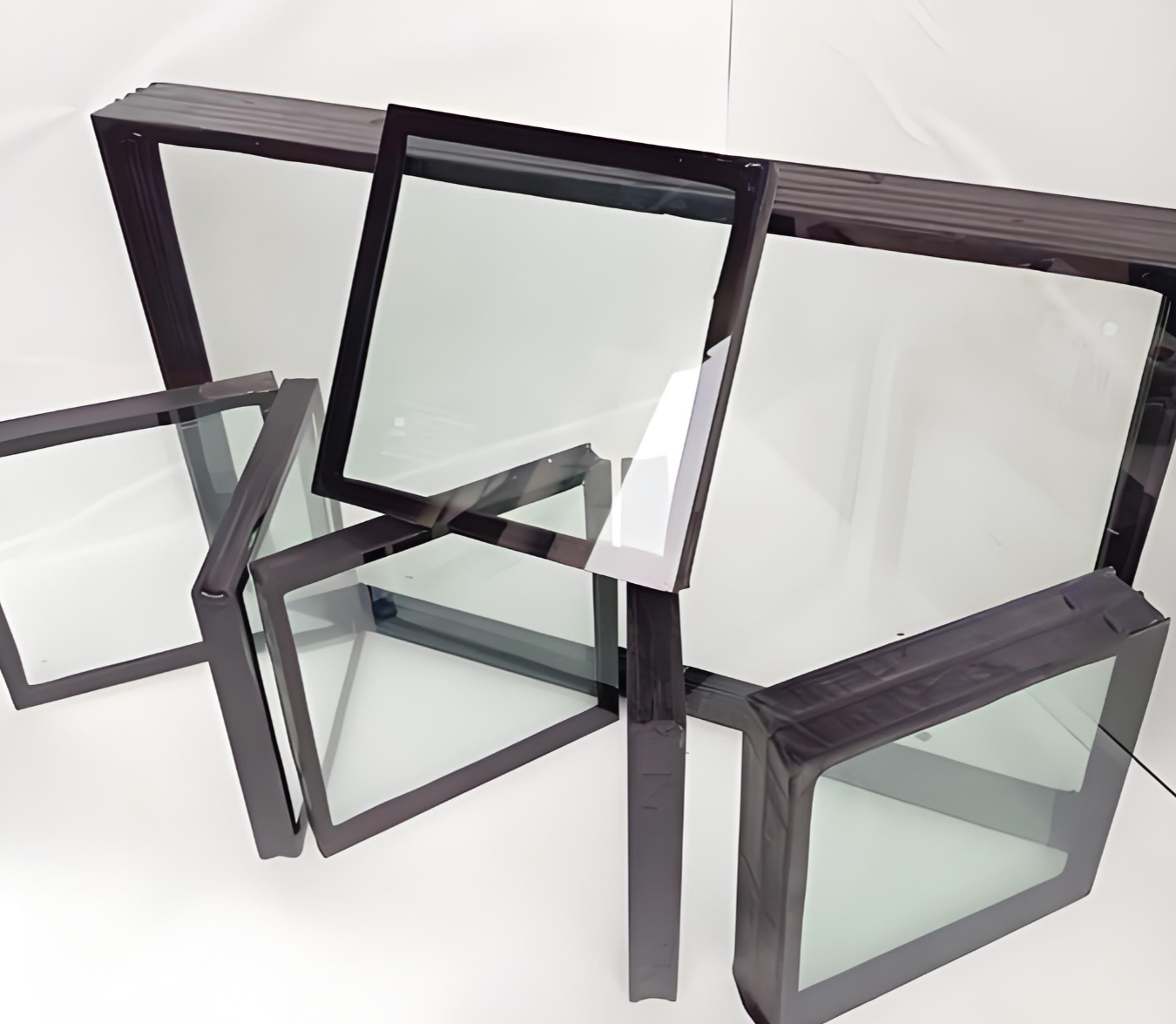
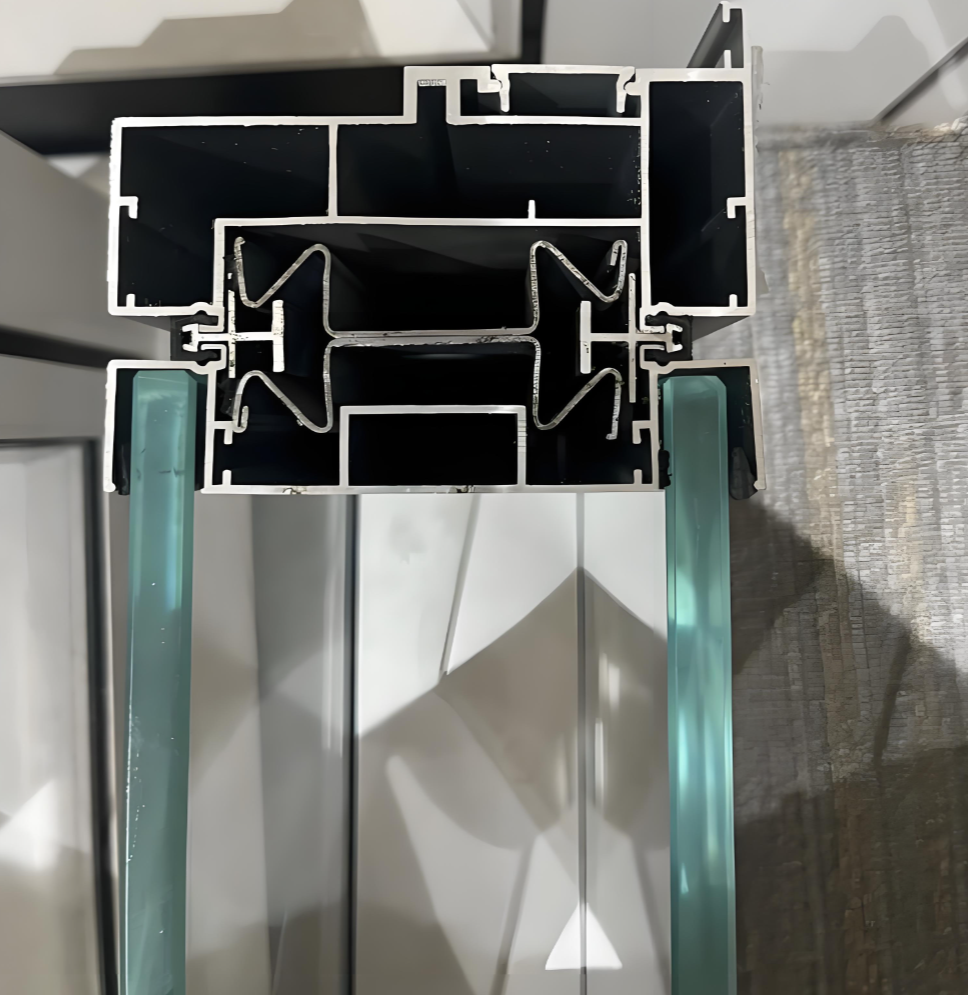
The choice between monolithic fire-resistant glass and laminated fire-resistant glass begins with understanding their fundamental construction. Monolithic fire-resistant glass, typically represented by tempered ceramic glass, is a single, solid pane that has been chemically or thermally treated to achieve its fire resistance. Under heat, it acts as a robust barrier, maintaining integrity but offering limited thermal insulation. In contrast, laminated fire-resistant glass is a composite material, engineered by bonding multiple layers of glass with transparent intumescent interlayers. When exposed to fire, these interlayers expand to form a thick, opaque insulating char. This key structural difference means that while monolithic glass primarily provides Integrity (E), laminated glass is specifically designed to deliver the full EI classification, which includes both integrity and insulation. This makes laminated glass essential for applications where limiting heat transfer to the protected side is critical for safety.
Key Performance Comparison: Insulation, Impact Safety, and Applications
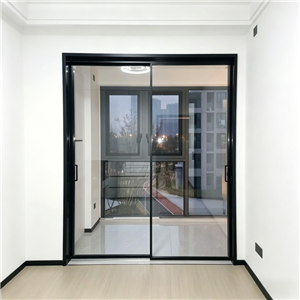
The performance gap between these two types of glass is most evident in their ability to provide thermal insulation. A monolithic glass panel, even with an E rating, will allow significant heat to pass through, posing a risk of ignition on the safe side. A laminated EI glass from PYRONANO, however, is engineered to keep the temperature on the unexposed side significantly lower, a vital feature for protecting escape routes. Beyond fire performance, laminated glass also offers superior impact resistance and safety. If broken, the glass fragments tend to adhere to the interlayer, reducing the risk of injury, whereas a broken monolithic pane may shatter differently. Therefore, monolithic glass is often suitable for applications like fire-resistant windows or partitions where only integrity is required and impact safety is a lower priority. Laminated EI glass is the mandatory choice for high-safety areas like fire-rated doors, corridors, and atriums, where full compartmentation is needed.
Making the Right Choice for Your Project with PYRONANO
Selecting the appropriate glass technology is a critical decision that depends on the specific requirements of your project. For projects where the primary need is a cost-effective visual barrier against flame and smoke with basic integrity, and where the area adjacent to the glass is non-combustible, a monolithic fire-resistant glass may be a suitable solution. However, for the vast majority of commercial, public, and residential buildings where maximum life safety is paramount, laminated EI glass is the unequivocal choice. PYRONANO, as a global specialist, provides comprehensive technical support to guide this selection. We help architects and specifiers analyze the application, interpret fire safety regulations, and choose the optimal solution—whether it's a standard EI60 laminated glass for an office partition or a custom oversized laminated panel for an atrium—ensuring compliance, safety, and performance are fully integrated.
In summary, the comparison between monolithic and laminated fire-resistant glass reveals a clear distinction in safety performance. Monolithic glass offers basic integrity at a lower cost, while laminated glass provides the superior, integrated protection of the EI classification. For projects where human safety and asset protection are the highest priorities, PYRONANO's laminated fire-resistant glass represents the intelligent and responsible choice, delivering certified performance that architects and building owners can trust.