How Much Sound Insulation Does Fire-Rated Glass Provide
How Much Sound Insulation Does Fire-Rated Glass Provide
The Inherent Link Between Fire Resistance and Acoustic Performance
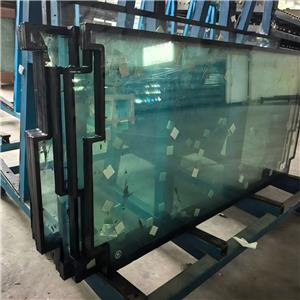
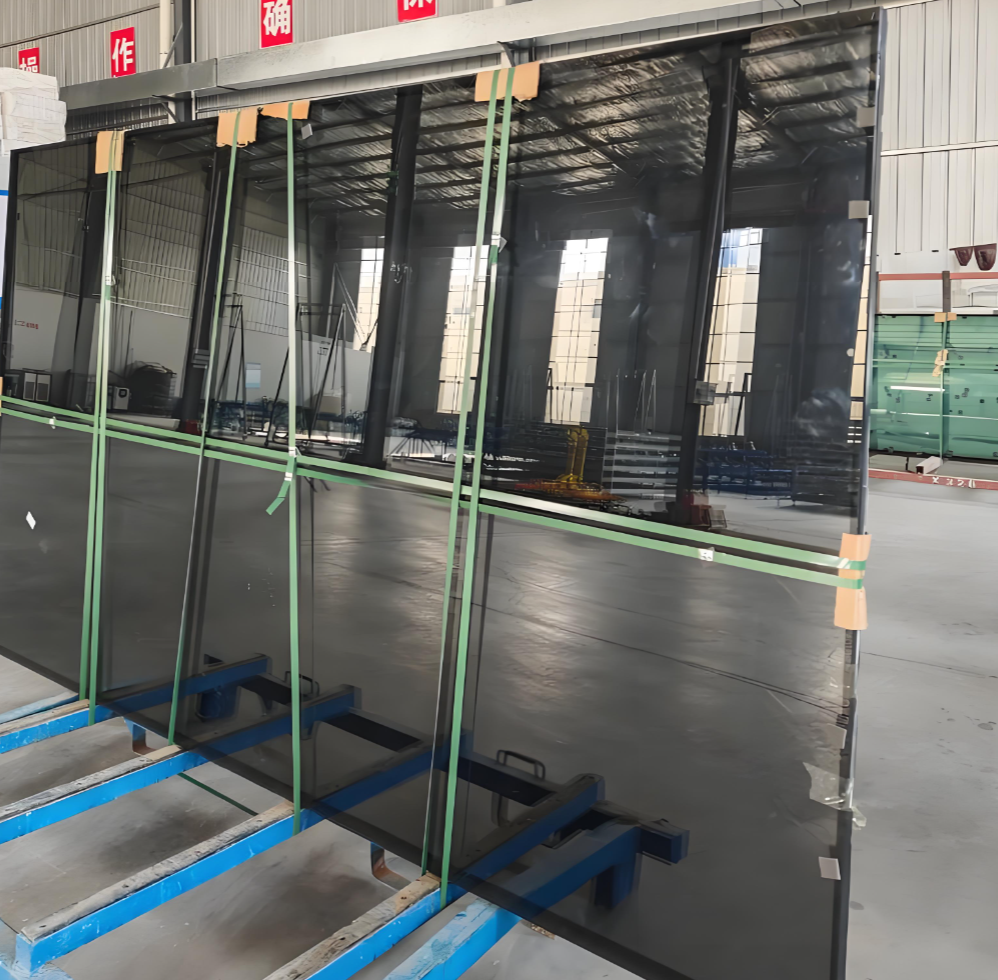
A common question among architects and designers is: "How much sound insulation does fire-rated glass provide?" The answer lies in the fundamental construction of the glass itself. High-performance fire-rated glass, particularly EI-classifications from PYRONANO, inherently offers significant sound insulation properties. This is because the same multi-layered, laminated construction designed to provide thermal insulation against fire—featuring thick glass plies and resilient intumescent interlayers—also creates an effective barrier against sound wave transmission. The mass of the glass and the viscoelastic damping properties of the interlayers work together to absorb and block sound energy. Therefore, when you specify a product like PYRONANO's EI60 glass for life safety, you are also, by default, incorporating a substantial level of acoustic insulation into the design. The key is understanding that not all fire-rated glass provides equal sound reduction, and its performance can be quantified through standardized metrics.
Quantifying Sound Insulation: Understanding Rw and STC Ratings
To accurately answer "how much sound insulation" is provided, we must turn to internationally recognized rating systems. The Sound Reduction Index (Rw) is the most common metric used in Europe and many international markets, measured in decibels (dB). Similarly, North America uses the Sound Transmission Class (STC) rating. These ratings provide a standardized value representing the glass assembly's ability to reduce airborne sound transmission; a higher number indicates better performance. For example, a typical single pane of 6mm glass may have an Rw of around 29 dB. In contrast, a specialized acoustic fire-rated glass from PYRONANO, with its specific laminated construction (e.g., multiple glass layers and plastic interlayers), can achieve significantly higher ratings, often reaching Rw values of 35 dB, 40 dB, or even higher for more complex constructions. It is crucial to review the technical data sheets for the specific product to understand its certified acoustic performance.
Achieving Optimal Acoustic and Fire Performance in Integrated Systems
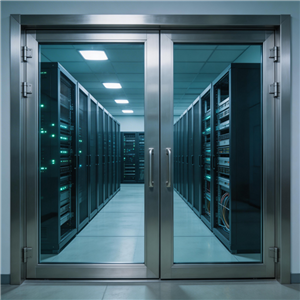
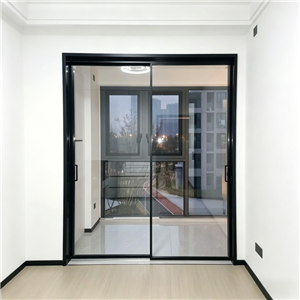
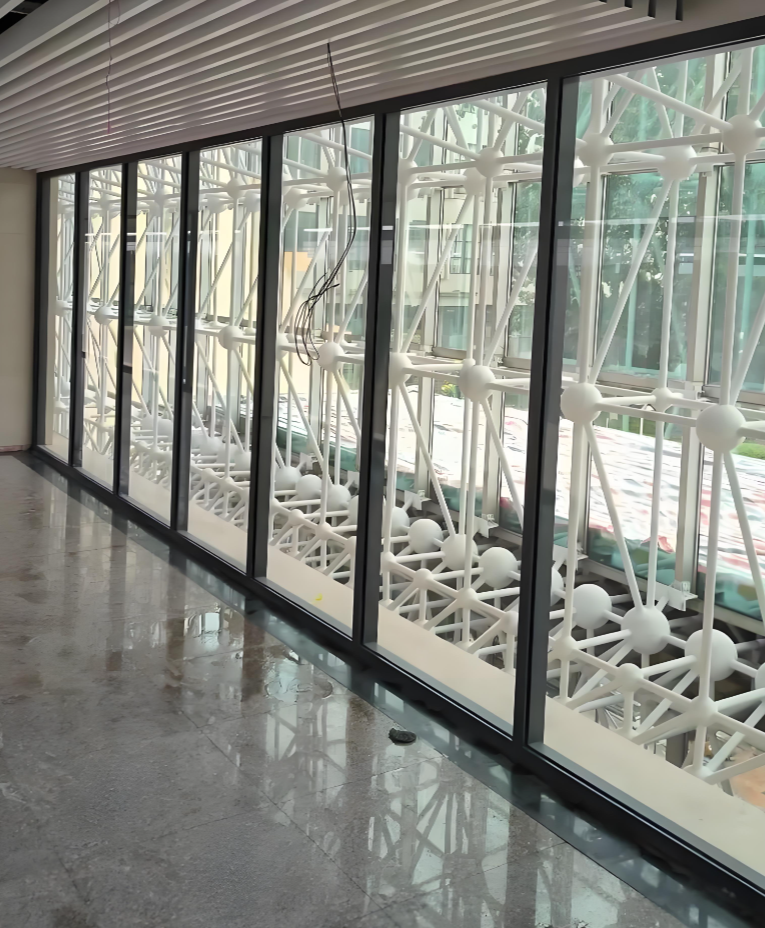
Maximizing sound insulation with fire-rated glass requires a holistic approach that considers the entire assembly, not just the glass panel. The glazing unit must be installed within an appropriate framing system designed to provide both fire resistance and acoustic sealing. Gaps around the perimeter are the primary weak points for both fire and sound. PYRONANO provides comprehensive system design support, ensuring that the selected fire-resistant glass is paired with frames and seals that maintain the integrity of the acoustic barrier. For projects demanding the highest levels of both safety and comfort, such as offices near noisy environments, hospitals, or hotels, specifying a fire-rated glass partition with a certified high Rw/STC value is essential. By partnering with PYRONANO, you can achieve a dual-performance solution that seamlessly integrates fire safety with exceptional sound insulation, creating environments that are both safe and conducive to focus and well-being.
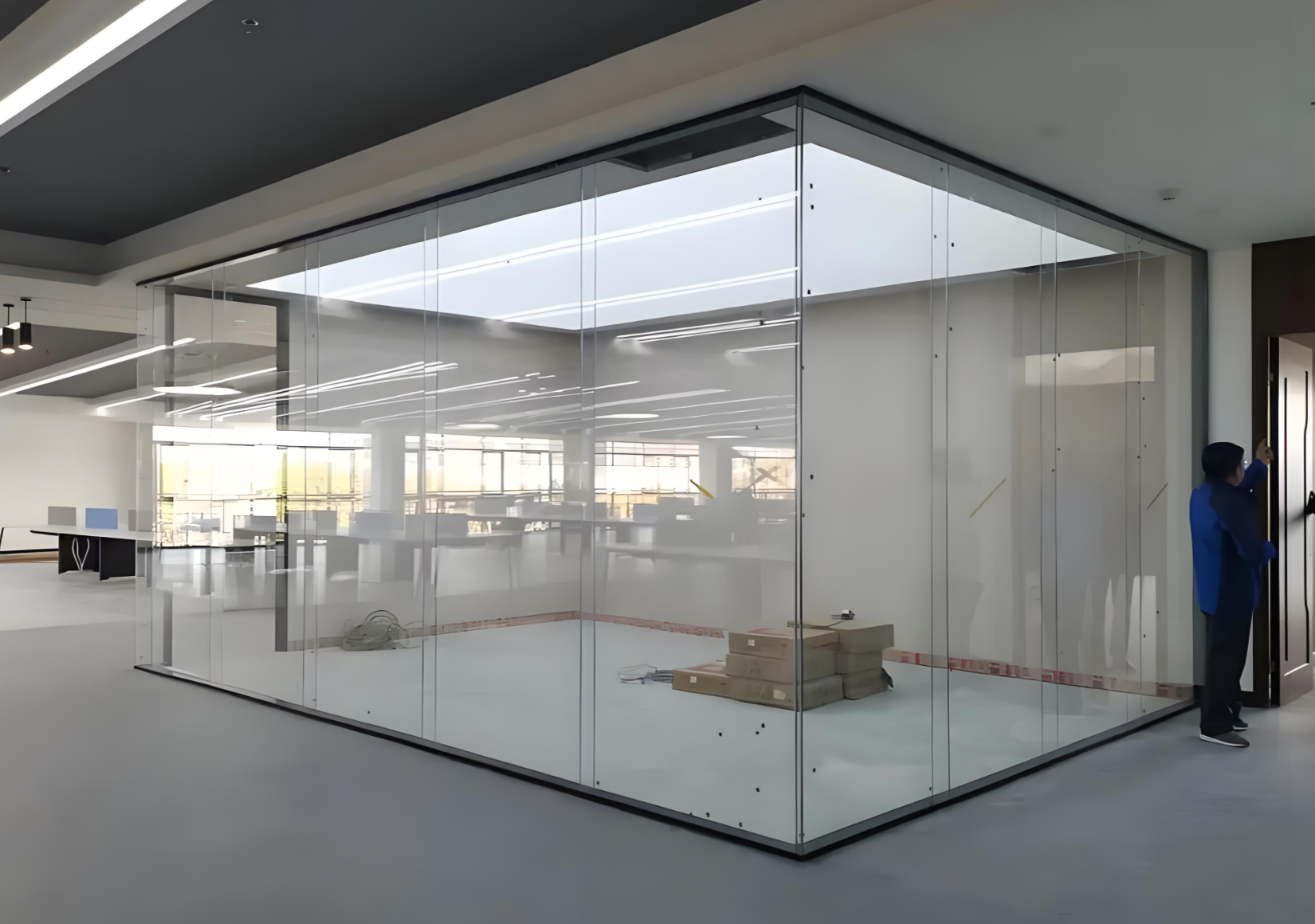
In conclusion, fire-rated glass from a specialist like PYRONANO provides substantial and quantifiable sound insulation. The level of performance is directly linked to the product's construction, with multi-laminated EI-class glass offering the best dual performance. By understanding Rw/STC ratings and ensuring proper system integration, architects can confidently specify solutions that deliver not only crucial fire protection but also significant acoustic comfort, answering the question of "how much" with certified performance data and expert application guidance.