Does Fire-Resistant Glass Provide Sound Insulation
Does Fire-Resistant Glass Provide Sound Insulation
The Base Level of Acoustic Performance
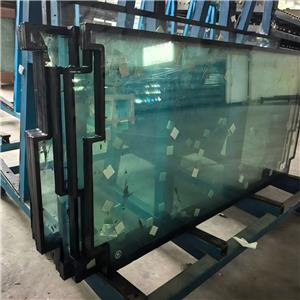
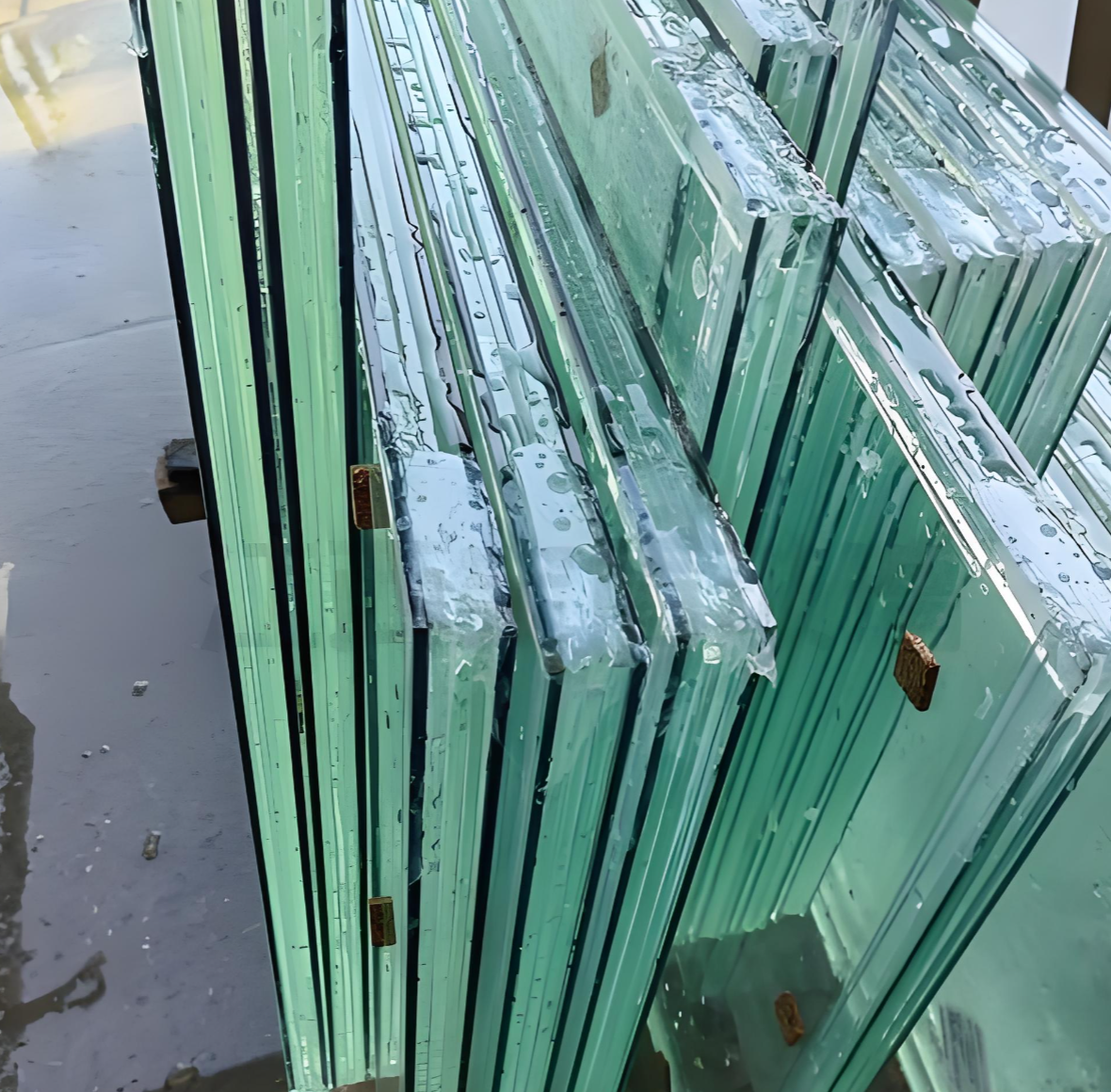
The simple answer is yes, fire-resistant glass does provide a degree of sound insulation, but the level of performance varies significantly based on its construction. At its most basic, any laminated glass assembly offers better sound reduction than monolithic (single-pane) glass of the same total thickness. This is because the combination of multiple glass layers and the plastic interlayer (which acts as a damping core) disrupts the transmission of sound waves by adding mass and creating a constrained layer system that absorbs vibrational energy. Therefore, even a standard fire-resistant glass product designed primarily for integrity (E) or radiation control (EW) will inherently provide better acoustic performance than a single sheet of ordinary glass. This baseline performance can be sufficient for applications where basic sound reduction is acceptable, but it may not meet the requirements of environments demanding high acoustic privacy.
Achieving High Fire and Acoustic Ratings
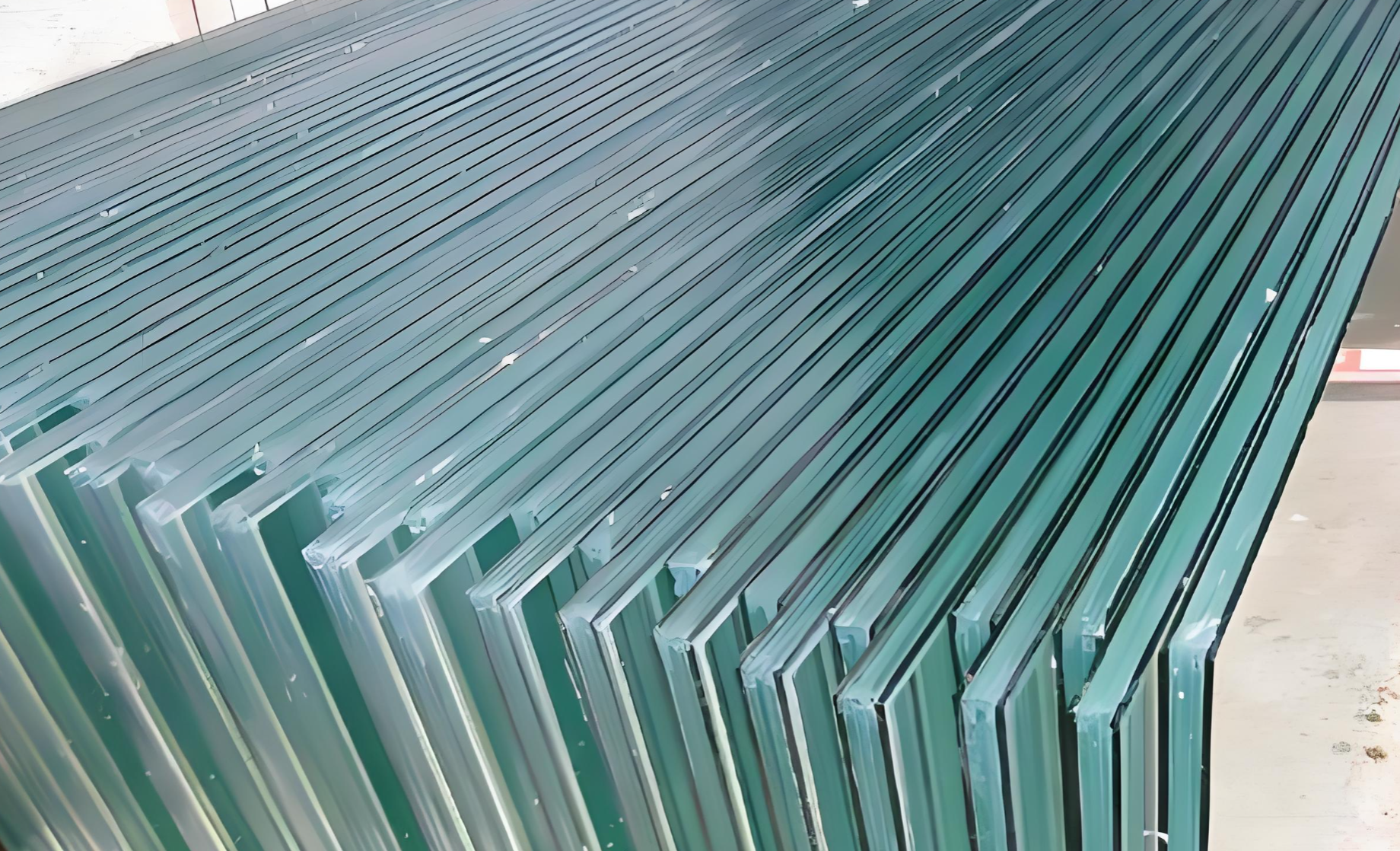
To achieve substantial sound insulation, fire-resistant glass must be specifically engineered for this dual purpose. High-performance acoustic fire-rated glass features a more complex laminated structure, often incorporating special acoustic polyvinyl butyral (PVB) interlayers or even laminated resin cores. These specialized interlayers are highly effective at damping sound vibrations across a broad frequency range. When combined with different thicknesses of glass panes within the same unit—a technique known as asymmetrical lamination—the assembly can effectively block sound transmission. For instance, PYRONANO's capability to produce complex multi-layer laminations (e.g., combinations of glass, fire interlayers (F), and acoustic PVB) allows them to offer products that meet specific fire ratings like EI60 while also achieving high Sound Transmission Class (STC) or Weighted Sound Reduction (Rw) ratings, making them suitable for offices, hospitals, and hotels near noisy areas.
Selecting the Right Glass for the Environment
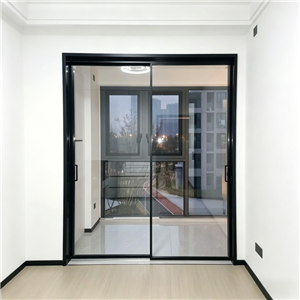
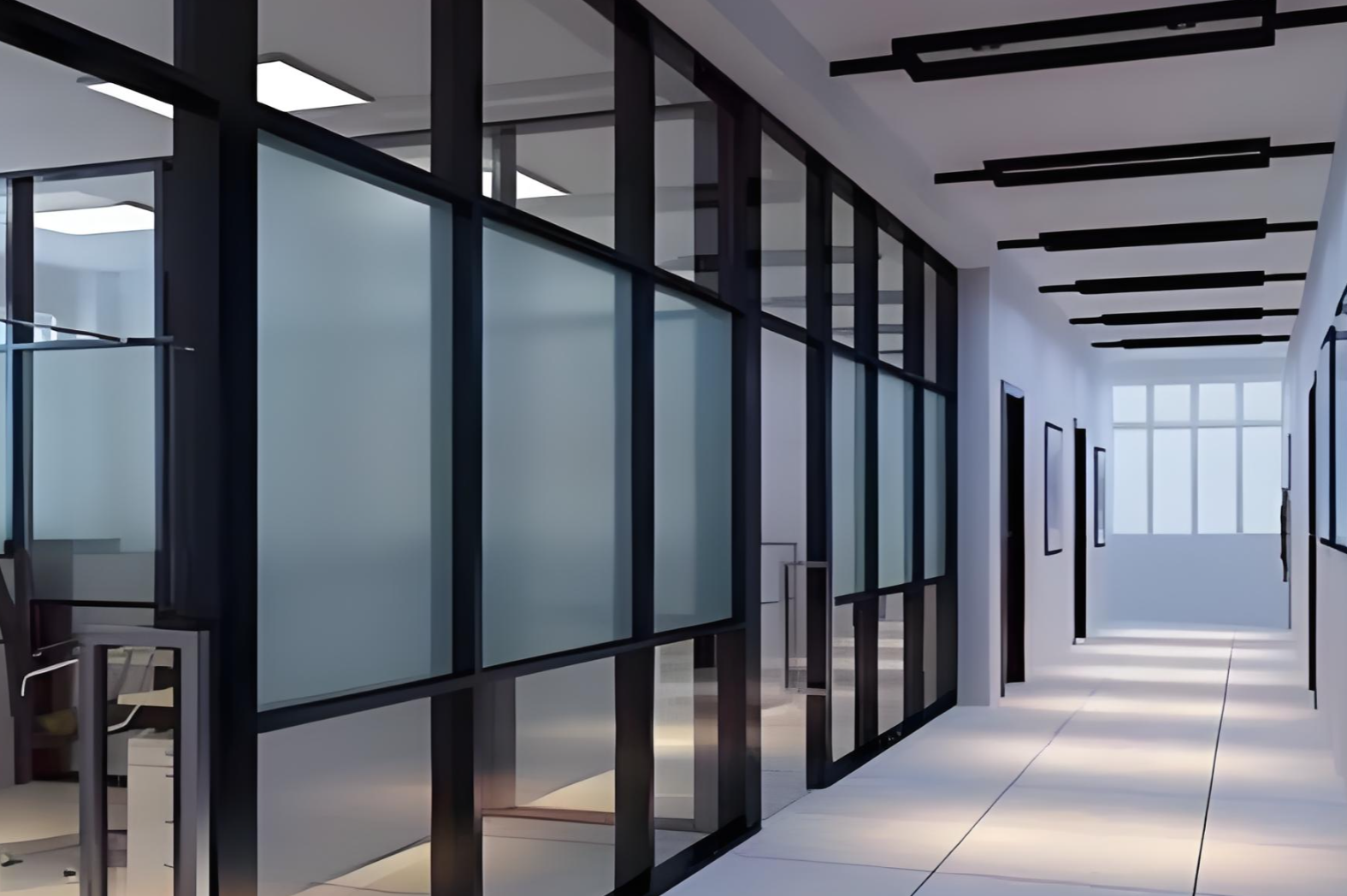
Specifying the correct glass is crucial for projects where both fire safety and acoustic comfort are priorities. The key is to look beyond the fire rating and examine the acoustic performance data. For environments like conference rooms, hospital patient rooms, luxury hotel suites, or buildings adjacent to airports or busy roads, a high STC/Rw rating (e.g., Rw 40 dB or higher) is often required alongside the fire rating (e.g., EI30 or EI60). It is essential to consult with manufacturers who can provide verified test certificates for both fire resistance and sound insulation. PYRONANO's approach to providing comprehensive technical support and product data sheets for their multi-functional glass solutions enables architects and contractors to make informed decisions, ensuring the selected glazing provides a safe, quiet, and compliant environment.
In conclusion, while all fire-resistant glass offers a basic level of sound reduction due to its laminated nature, high-level acoustic insulation is an engineered feature. By selecting products specifically designed with acoustic interlayers and asymmetrical constructions, it is entirely possible to achieve excellent performance in both fire safety and sound control. Partnering with a knowledgeable manufacturer like PYRONANO is essential to navigate the specifications and select a dual-performance glazing system that meets the specific acoustic and fire protection demands of any project.