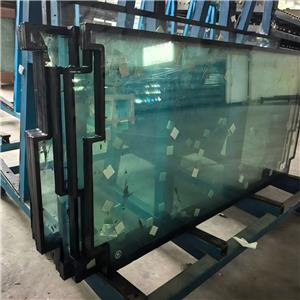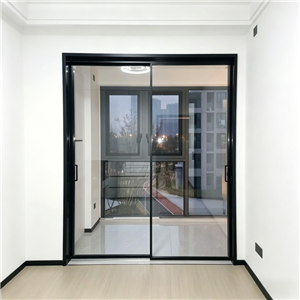
How Do We Improve Installation Readiness For Fire Rated Glass Projects?
Installation Readiness Begins Long Before the Glass Reaches Site
In fire rated glass projects, installation readiness should never be treated as a final-stage concern. It begins much earlier, during specification confirmation, system selection, documentation review, and delivery planning. If these earlier steps are weak, even a technically correct product may become difficult to install smoothly on site.
International buyers often focus first on compliance and price, but experienced project teams also pay close attention to how prepared the installation stage will be. Questions such as whether the correct frame system has been confirmed, whether the glass is clearly matched to each installation area, and whether site conditions have been considered all affect how smoothly the project will proceed.
A strong supplier improves installation readiness by helping buyers connect technical decisions with site execution. This means not only supplying the glass, but also ensuring that what is supplied can be received, understood, and installed efficiently by the project team.

Clear Labeling, Documentation, and Delivery Sequence Make Installation Easier
One of the most practical ways to improve installation readiness is to organize the project so that installers receive the right information and the right materials at the right time. This means that fire rated glass panels should not arrive as anonymous products. They should arrive clearly labeled, grouped logically, and supported by usable documentation.
Buyers benefit when suppliers provide panel identification by area, alignment with layout drawings, and delivery organized according to installation sequence or building zone. In larger projects, this becomes even more important. Without proper labeling and sequencing, installers may lose time searching for the correct panels, handling materials repeatedly, or making avoidable mistakes.
Clear documentation also matters. Installation teams need practical information, not only technical certification files. When drawings, system references, and area-specific information are easier to follow, installation becomes faster and more predictable. This reduces site confusion and improves overall project efficiency.
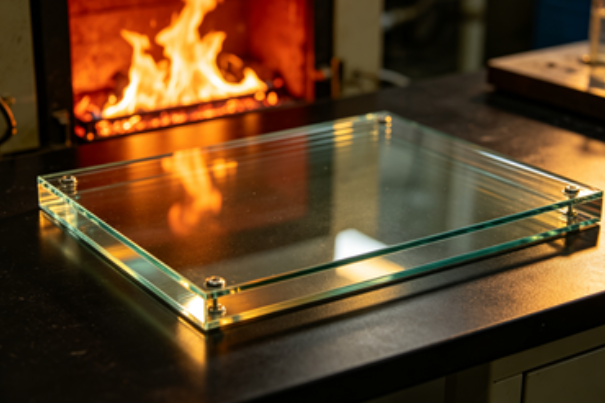
Better Installation Readiness Reduces Site Risk and Improves Efficiency
When installation readiness is strong, the project gains more than speed. It also gains better risk control. Poorly prepared installation often leads to delays, repeated handling, confusion between zones, and increased chance of site damage. In some cases, it can even create compliance concerns if the wrong product is installed in the wrong area.
By contrast, a well-prepared fire rated glass project allows site teams to work with greater confidence. The right panels arrive in the right order, supporting documents are available, and the system logic is easier to follow. That improves coordination between buyers, site managers, installers, and consultants. It also creates a smoother connection between procurement and execution.
A reliable supplier supports this outcome by thinking beyond production. They help buyers plan for the real installation environment, which may include restricted site access, phased construction, multiple zones, and coordination with other trades. This turns installation from a reactive process into a controlled one.
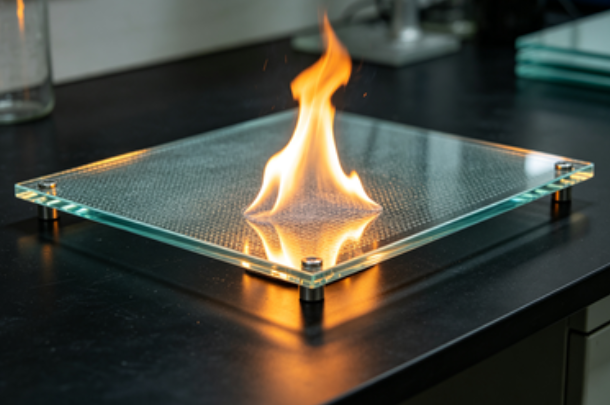
Improving installation readiness for fire rated glass projects requires early planning, clear labeling, practical documentation, and delivery coordination that matches the real jobsite sequence. For buyers, this creates better control, lower site risk, and a more efficient connection between procurement and installation.