How Do We Prevent Breakage During Fire Glass Shipping
Secure Packaging Is the First Barrier Against Breakage
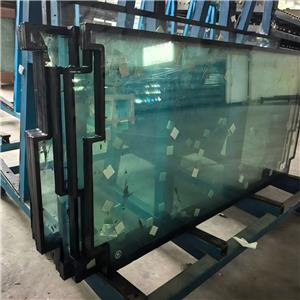
For international buyers, fire rated glass is not only a high-value material but also a high-risk shipment. Even if the product itself meets project requirements, poor packaging can lead to edge damage, surface scratches, corner cracks, or complete breakage during transport. That is why professional buyers do not only ask about product quality. They also pay close attention to how the glass is packed before shipment.
Effective export packaging starts with the right structure. Large fire glass panels should be separated properly, protected at contact points, and fixed firmly inside durable wooden crates. Inner protection materials should reduce vibration and prevent direct pressure between panels. The crate itself must be strong enough for long-distance sea freight, repeated handling, stacking pressure, and container movement. For oversized or custom fire rated glass, packaging design should be adjusted based on glass dimensions, thickness, and shipment conditions rather than using a one-size-fits-all approach.
From a procurement perspective, the real question is not whether packaging exists, but whether the packaging is designed to protect the glass throughout the full export journey. Buyers want to know if the supplier understands long transit routes, port handling risks, container vibration, and unloading conditions at destination. Good packaging is not an accessory. It is a critical part of delivery reliability.
Handling and Loading Control Matter as Much as Packaging
Even the best crate cannot fully protect fire glass if handling and loading are not controlled properly. In international shipping, breakage often happens not because the packaging is weak, but because the goods are moved carelessly during forklift transfer, container loading, unloading, or transshipment. That is why experienced buyers evaluate not only how the glass is packed, but also how it is handled from factory to container.
A reliable supplier should have clear handling procedures for large and fragile panels. Crates should be positioned carefully, lifting points should be controlled, and loading arrangements should minimize movement during sea transport. Container space should be planned to prevent shifting, collision, or unstable stacking. For large orders, batch arrangement also matters. Different glass sizes, project zones, or installation sequences may require separate loading logic to reduce confusion and repeated handling at the jobsite.
Professional export shipment is a process, not a final step. Buyers are more confident when suppliers can show organized loading practices, clear package labels, and a practical understanding of what happens after goods leave the factory. Good shipping protection means reducing damage risk before it appears, not just reacting after a claim is made.
Reducing Shipping Risk Requires Experience, Planning, and Accountability
International buyers know that shipping safety is not based on luck. It depends on whether the supplier has enough export experience to anticipate risks and control them before shipment. Fire rated glass may face multiple risk points in one journey: inland trucking, warehouse movement, port handling, sea freight vibration, customs inspection, and destination unloading. Each stage can increase the chance of damage if preparation is weak.
That is why buyers prefer suppliers who treat shipping protection as part of project management. A professional supplier should confirm panel sizes in advance, match crate design to the order, identify fragile or oversized pieces clearly, and prepare shipment documents that help reduce confusion during delivery. For large projects, shipment planning should also consider phased delivery, unloading conditions, and site storage limitations. These practical details often determine whether the glass arrives safely and remains usable for installation.
From the buyer’s perspective, the most trustworthy supplier is not the one who simply says, “We pack carefully.” It is the one who can demonstrate a clear method for preventing damage and responding quickly if issues occur. Shipping safety is part of supplier capability. It reflects operational discipline, export experience, and respect for the buyer’s project timeline and cost control.
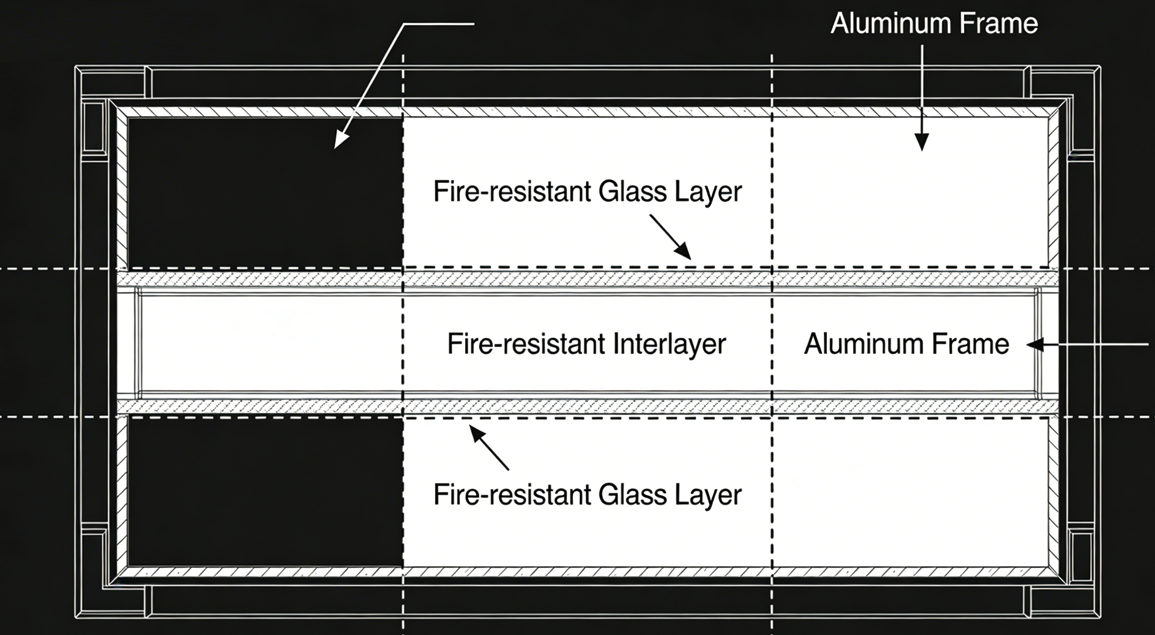
For international projects, preventing breakage during shipping is not only about protecting the product itself. It is about protecting delivery schedules, installation plans, project budgets, and buyer confidence. Strong packaging, careful handling, and export planning work together to reduce risk from factory to jobsite.
When buyers evaluate a fire rated glass supplier, shipping protection should be treated as a core capability, not a minor detail. A supplier who understands export packaging and transport control can help reduce hidden costs and avoid unnecessary project delays. In real procurement, safe shipping is part of reliable supply.