How To Choose Fire Rated Glass For Commercial Buildings
How To Choose Fire Rated Glass For Commercial Buildings
Choosing fire rated glass for commercial buildings is not only about transparency. Buyers need to consider fire resistance rating, glass structure, installation system, building code requirements, safety performance and long-term project reliability.
Get QuoteWhy Fire Rated Glass Selection Matters In Commercial Buildings
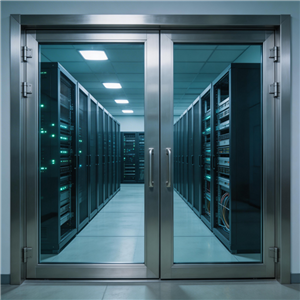
Commercial buildings usually have complex fire compartment requirements. Offices, hotels, hospitals, shopping malls, schools, transportation hubs and public buildings often require transparent fire barriers in corridors, staircases, lobbies, atriums and partition areas. In these applications, ordinary tempered glass or laminated glass cannot replace certified fire rated glass.
A suitable fire rated glass system should maintain fire separation for the required time while allowing visibility, daylight transmission and architectural openness. For project buyers, the key point is not only choosing the glass panel, but also matching the glass with the correct frame, sealant, fixing structure and tested system design.
1. Confirm The Required Fire Rating First
The first step is to confirm the required fire resistance time. Common project requirements include 30, 60, 90 and 120 minutes. Different projects may require different ratings depending on local building regulations, fire compartment design and evacuation routes.
Buyers should not simply ask for “fireproof glass”. A more professional inquiry should specify whether the project needs E, EW or EI fire performance. E class usually focuses on integrity, EW adds radiation control, while EI requires both integrity and insulation. For commercial buildings with strict safety requirements, EI-rated glass is often required in high-risk separation areas.
2. Match Glass Type With Building Application
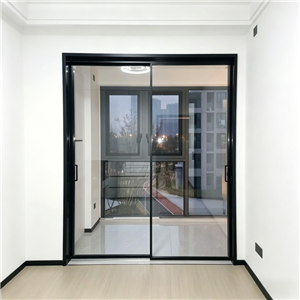
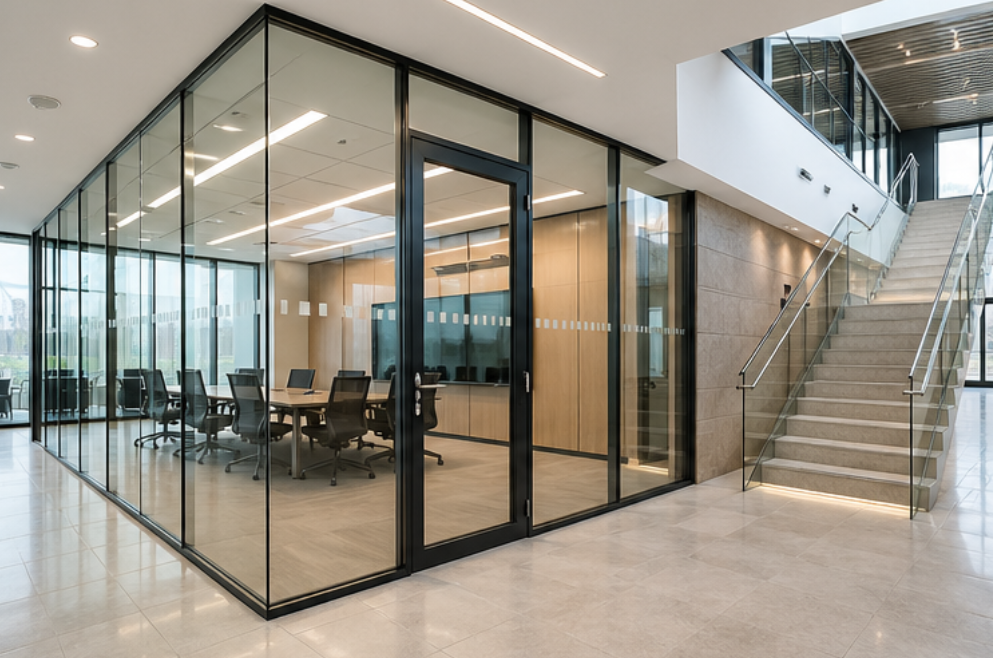
Different commercial spaces require different fire rated glass solutions. For example, office partitions may focus on visual openness and acoustic comfort, while stairwell doors require stable fire separation and evacuation safety. Shopping malls and hotel lobbies may need larger glass panels with better appearance, while hospitals may require clean, safe and easy-maintenance systems.
Buyers should clearly tell the manufacturer where the glass will be used: door, window, partition, curtain wall, corridor, staircase, atrium, floor or facade area. The application position will directly affect the recommended glass thickness, structure, frame design and installation method.
3. Check The Complete Tested System, Not Only The Glass
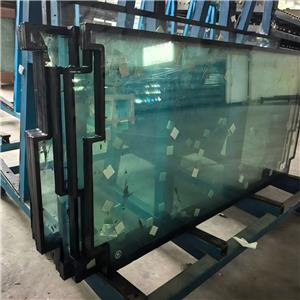
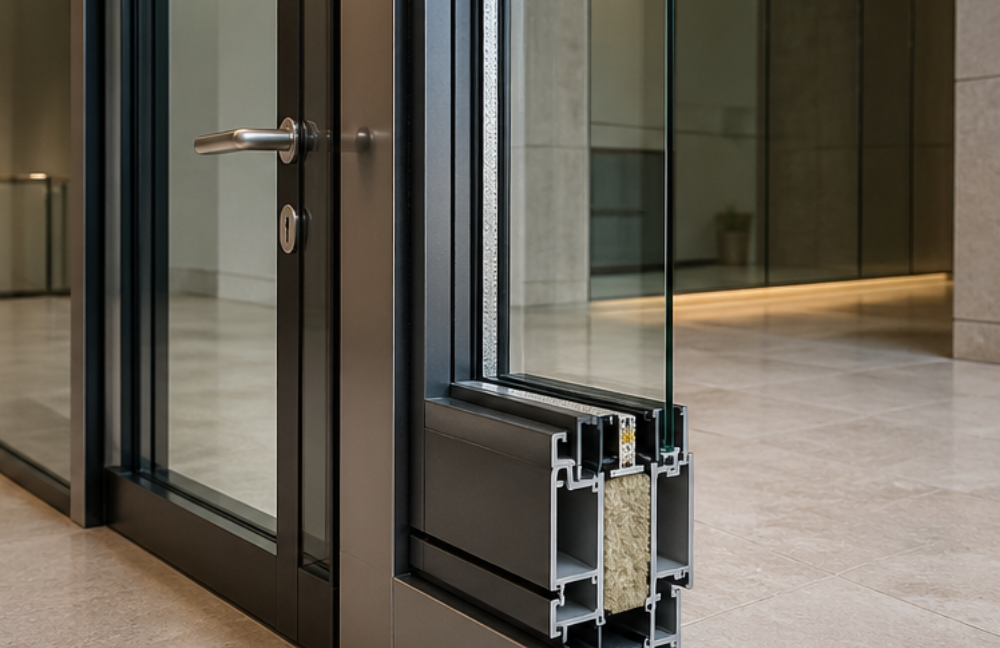
Fire rated glass performance depends on the complete system. The glass, frame, glazing beads, fireproof sealant, gaskets and fixing components should work together. If the glass is certified but installed with an unsuitable frame or sealant, the real fire resistance performance may be affected.
Before ordering, buyers should ask whether the supplier can provide system-based technical support. This is especially important for commercial projects where architects, contractors and fire consultants need clear installation drawings, specification documents and compliance information.
4. Consider Size, Thickness And Structural Safety
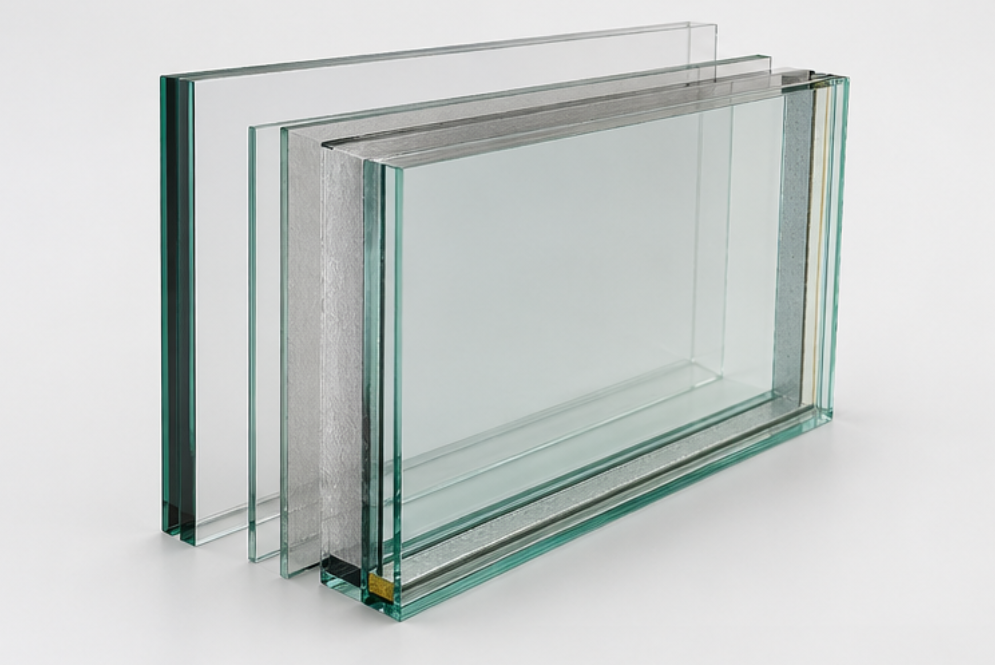
Commercial building projects often require customized glass sizes. Oversized panels, frameless designs and floor-to-ceiling glass walls can improve visual quality, but they also require stronger engineering support. Glass thickness, maximum panel size, weight, edge treatment and installation tolerance should be confirmed before production.
For doors and partitions, impact resistance and daily use durability should also be considered. For walkable fire rated glass floors or special structural applications, buyers need to confirm load-bearing requirements, anti-slip treatment, laminated structure and supporting frame design.
5. Ask For Project Documents Before Purchasing
A professional fire rated glass supplier should help buyers confirm technical details before quotation. Instead of only comparing unit price, buyers should prepare project drawings, fire rating requirements, application position, opening size, frame material, quantity, delivery country and any local compliance requirements.
Important documents may include product specifications, test references, installation guidance, packing method, glass structure options and maintenance suggestions. These documents help reduce procurement risk and make communication between the buyer, architect, contractor and supplier much easier.
Fire Rated Glass Procurement Checklist
Required fire rating: 30, 60, 90 or 120 minutes
Performance class: E, EW or EI
Application area: door, partition, window, floor, facade or corridor
Glass size, thickness and quantity
Frame material and installation method
Local building code or project standard
Required documents, drawings and delivery schedule
Packing method for international transportation

Conclusion
Choosing fire rated glass for commercial buildings requires more than selecting a transparent panel. Buyers should confirm fire rating, performance class, application position, glass size, frame system and project documents before ordering. A reliable supplier should be able to provide both certified fire rated glass and practical system support for commercial building projects.
If you are planning a commercial building, hotel, office, hospital, mall or public project, Pyronano can help you choose a suitable fire rated glass solution based on your drawings and fire safety requirements.
Need Help Choosing Fire Rated Glass?
Send us your project drawings, fire rating requirements and application details. Our team will help you recommend a suitable fire rated glass solution.
Contact Us Get Quote