Key Differences and Selection Guide for EI60 and EW60 Fire-Resistant Glass
Key Differences and Selection Guide for EI60 and EW60 Fire-Resistant Glass
Defining the Core Performance: Integrity (E) vs. Insulation (I)
The fundamental difference between EW60 and EI60 glass lies in their performance beyond the basic integrity requirement. Both classifications successfully achieve 60 minutes of Fire Integrity (E), meaning they prevent the passage of flames and hot gases. However, the critical distinction is in Thermal Insulation (I). EW60 glass, while effective against flames, does not significantly limit the heat transfer from the fire side to the safe side. The temperature on the unexposed surface can rise rapidly, posing a risk of ignition to nearby combustible materials and making it unsafe for evacuation routes. In contrast, EI60 glass provides a full Insulation barrier. It rigorously limits the temperature rise on the safe side, typically to an average of below 140°C and a peak below 180°C. This higher level of safety is crucial for protecting escape routes, people, and valuable assets adjacent to the glass, ensuring a safer environment during a fire incident.
Structural Composition and Technological Applications
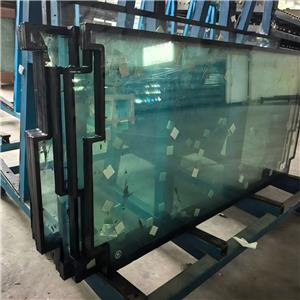
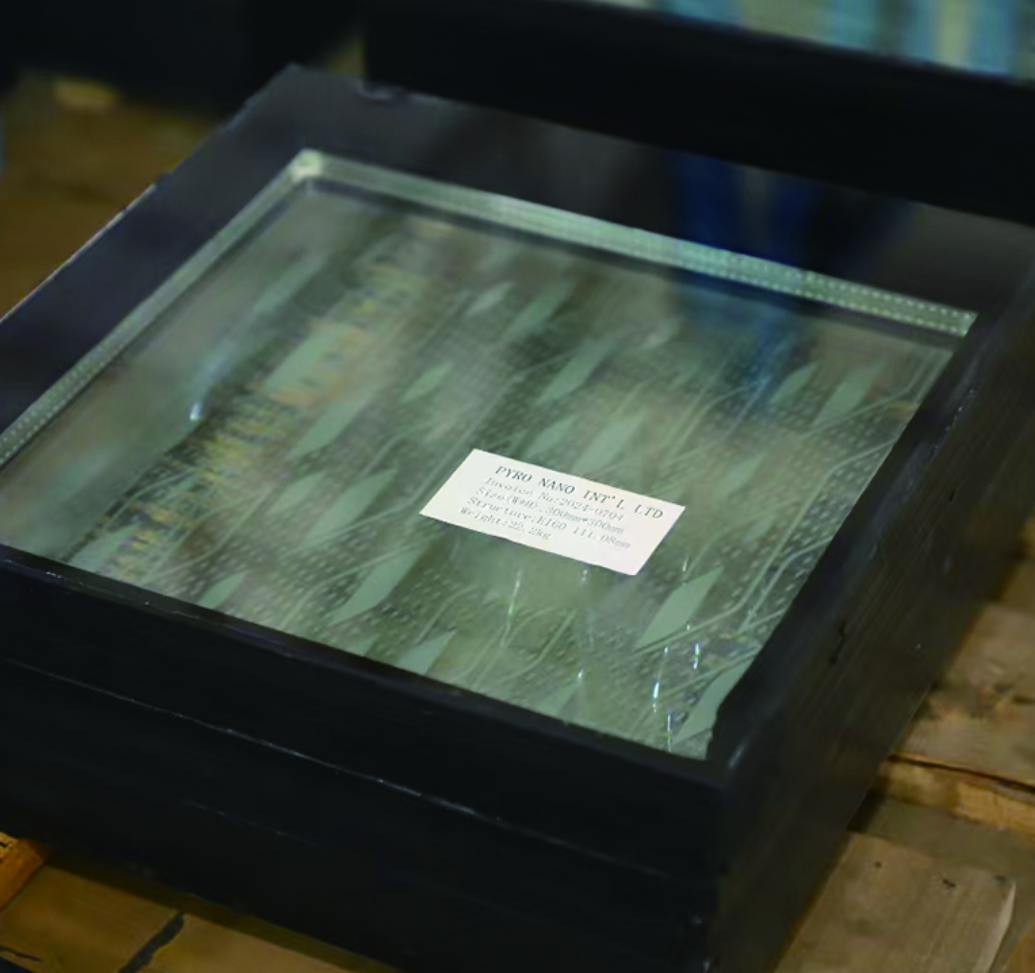
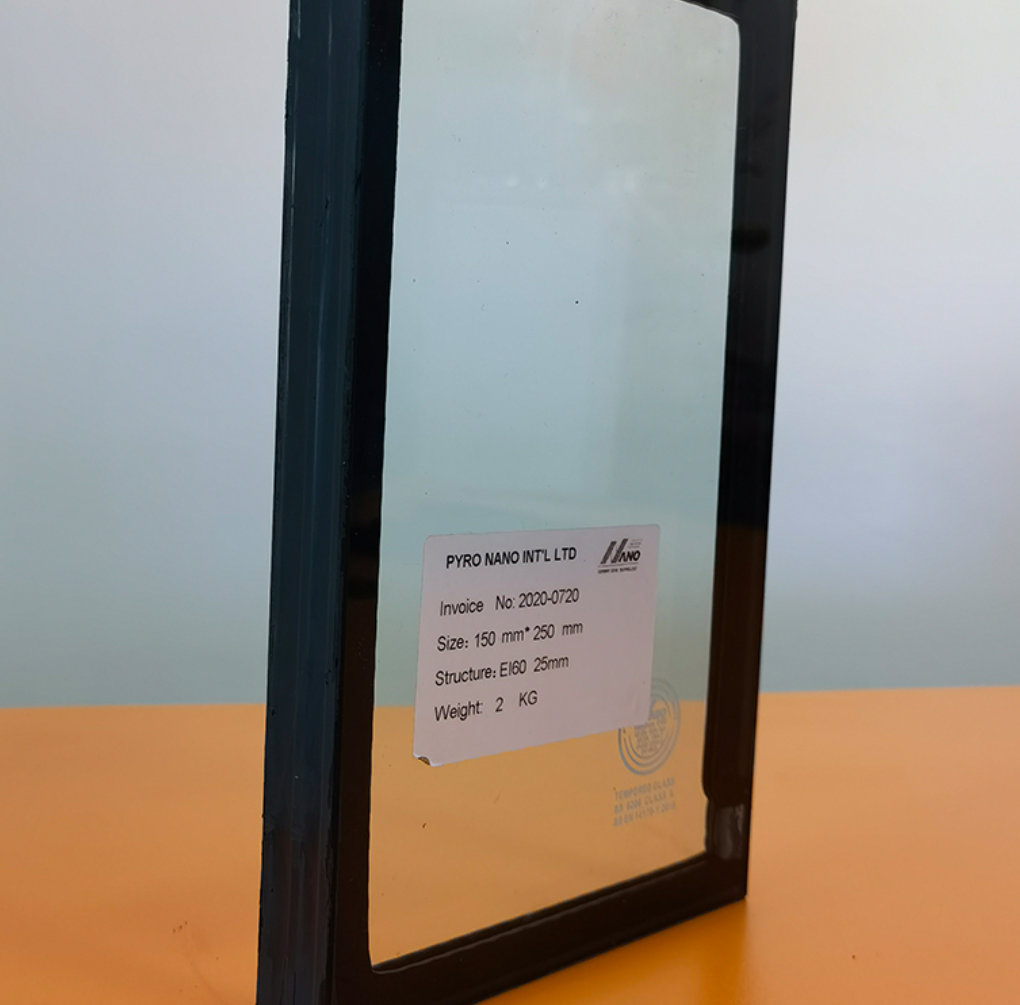
The performance gap is a direct result of the different technological constructions. EW60 glass is often a monolithic solution, such as specially treated tempered ceramic glass. It is robust and provides clarity but lacks inherent insulation properties. EI60 glass, a specialty of manufacturers like PYRONANO, is a complex laminated composite. It typically consists of multiple layers of glass bonded with transparent intumescent interlayers. When exposed to heat, these interlayers expand to form an opaque, charred barrier that effectively insulates against heat. This advanced construction allows PYRONANO to produce EI60 glass that remains relatively cool on the protected side. This technological edge is essential for applications like fire-resistant glass partitions in offices or fire-rated glass walls in atriums, where safety and proximity to the glass are paramount.
Practical Selection Criteria for Architects and Specifiers
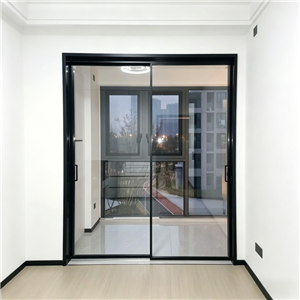
Selecting the appropriate glass is a critical decision based on application and regulatory requirements. EW60 fire-resistant glass is suitable where the primary goal is to contain the fire and provide a visual barrier, and where the area adjacent to the glass on the safe side is non-combustible and not designated as an escape route. Think of it for industrial partitions or certain warehouse applications. Conversely, EI60 glass is mandatory for use in escape routes like corridors and stairwells, as well as in situations where people may be in close proximity to the glass for extended periods or where valuable equipment needs protection from radiant heat. For frameless fire-resistant glass systems or oversized fire-resistant glazing in public spaces, EI60 is the unequivocal choice for maximum life safety, aligning with the highest standards offered by PYRONANO.
In summary, the choice between EW60 and EI60 glass boils down to a fundamental question: is basic containment sufficient, or is full thermal protection required? EW60 offers integrity against fire, while EI60 from PYRONANO provides a superior, integrated safety solution combining integrity and insulation. By understanding these key differences, architects, designers, and builders can make informed decisions that prioritize building safety, comply with regulations, and ultimately protect lives and property.