Nanoflam EI vs Nanofire EW: Which to Choose
Nanoflam EI vs Nanofire EW: Which to Choose
Insulation vs. Radiation Control
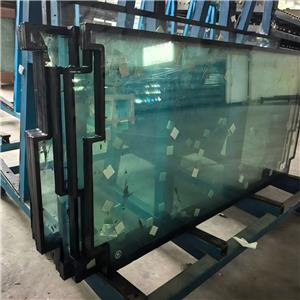
The fundamental choice between PYRONANO's Nanoflam EI and Nanofire EW series hinges on understanding the critical distinction between Insulation (I) and Radiation (W) performance. Nanoflam EI glass provides full fire protection by meeting the Integrity (E) and Insulation (I) criteria. The 'I' rating is crucial as it limits the temperature rise on the unexposed side of the glass, preventing heat transfer that could cause spontaneous combustion of materials or harm to people nearby. This makes it a complete barrier against fire, heat, and smoke. In contrast, Nanofire EW glass is classified for Integrity (E) and Radiation (W). It prevents the passage of flames and hot gases (E) and also significantly reduces the amount of radiant heat transmitted through the glass (W), but it does not limit the temperature conduction to the same extent as an EI classification. This fundamental difference dictates their application areas.

Where to Specify EI and EW Glass
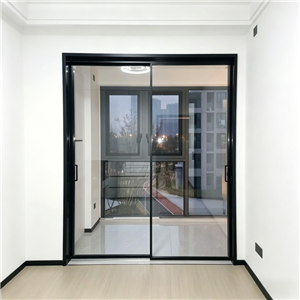
Selecting the correct product is a matter of matching the glass's performance to the specific fire safety requirements of the location. Nanoflam EI glass is mandatory for compartments where full compartmentation is required. This includes fire escapes, stairwells, corridors, and any barrier that separates a protected escape route from a fire risk area. Its insulation property is essential for protecting people evacuating the building and preventing fire spread. Nanofire EW glass, on the other hand, is an ideal solution for areas where controlling radiant heat is sufficient, and some temperature rise on the safe side is acceptable. Common applications include large interior atriums, lobbies, and room partitions where the goal is to prevent flame spread across the space while maintaining an open aesthetic. EW glass provides a safer environment for escape by reducing radiant heat, which is a major cause of burns, but does not create a full thermal barrier.
A Guide for Specifiers
The choice between EI and EW is not about one being "better" than the other, but about selecting the most appropriate and cost-effective solution for the regulatory and design context. Architects and specifiers must first consult local building codes, which will explicitly state the required performance class (EI or EW) for different building elements. For instance, an exit staircase will invariably require EI classification. Beyond code compliance, consider the human factor: if people are expected to be in close proximity to the glass on the safe side for extended periods during an evacuation, EI glass is necessary for their protection. PYRONANO provides comprehensive technical data and support to guide this decision-making process, ensuring that the selected product—whether it's the robust insulation of Nanoflam EI or the effective radiation control of Nanofire EW—delivers optimal safety and value for the project.
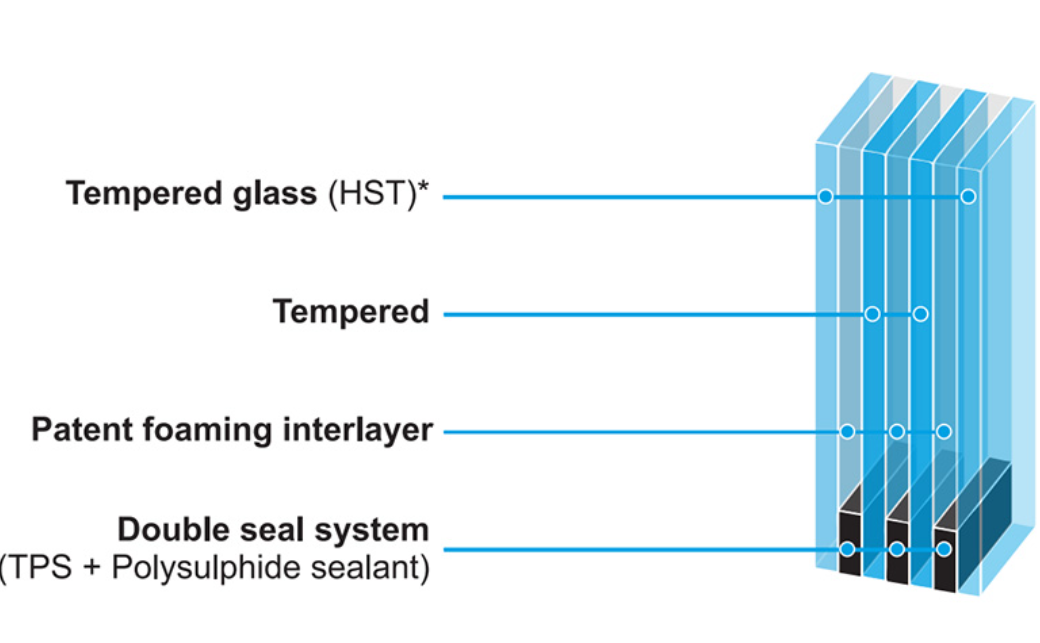
In conclusion, the decision between Nanoflam EI and Nanofire EW is a fundamental one in fire safety design. Nanoflam EI offers complete protection with its insulation property, essential for full compartmentation and life safety. Nanofire EW provides a critical barrier against flames and radiant heat, ideal for open spaces where full insulation is not mandated. Understanding this distinction and consulting with experts like PYRONANO ensures the correct application of these advanced glass technologies, balancing safety, compliance, and budget effectively.