The Evolution of Fire-Resistant Glass from Wired to Clear Solutions
The Evolution of Fire-Resistant Glass from Wired to Clear Solutions
Limitations of Traditional Wired Glass
For decades, the concept of fire-resistant glazing was synonymous with wired glass. This early solution, embedding a visible steel wire mesh within the glass pane, provided a basic level of fire integrity. Its primary function was to prevent the rapid spread of flames and smoke in the event of a fire. However, its limitations were significant. The embedded mesh severely compromised optical clarity, creating a distorted and often unattractive appearance that blocked natural light. More critically, wired glass posed a major safety risk under impact. Upon breakage, the glass shards tended to remain bound by the wires, creating dangerous, jagged edges and failing to meet modern impact safety standards. This presented a dilemma for architects and builders: choosing between fire safety and aesthetics, clarity, or occupant safety. The market demanded a solution that did not force such a compromise, signaling the need for a technological leap forward in fire-resistant glazing.
The Advent of Transparent, High-Performance Solutions
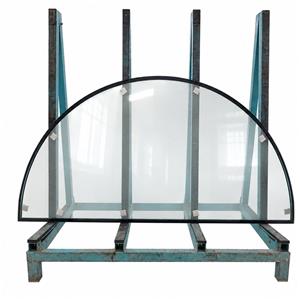
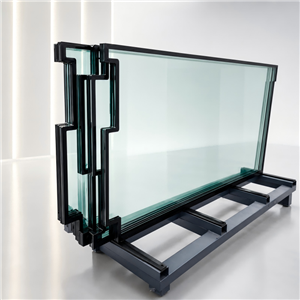
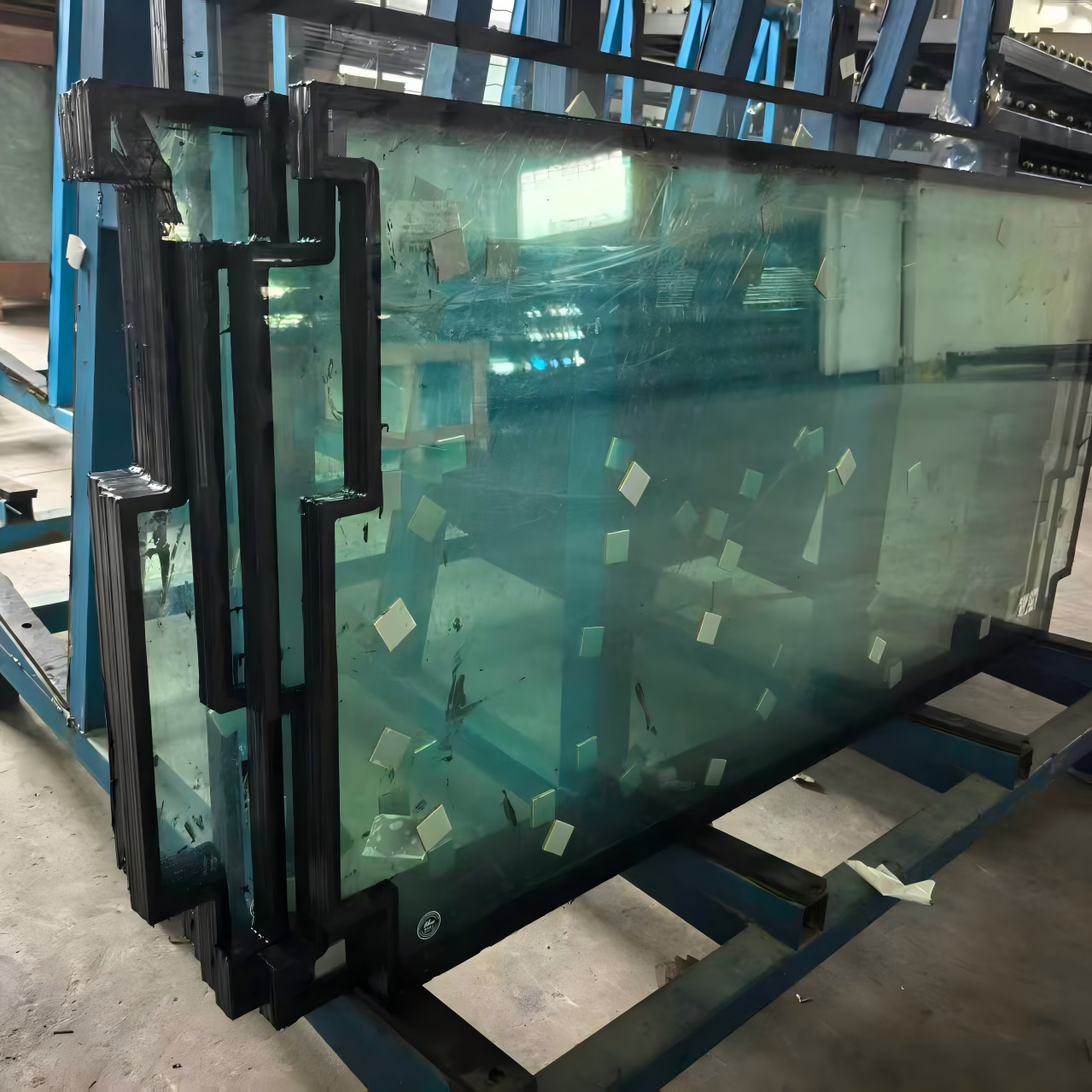
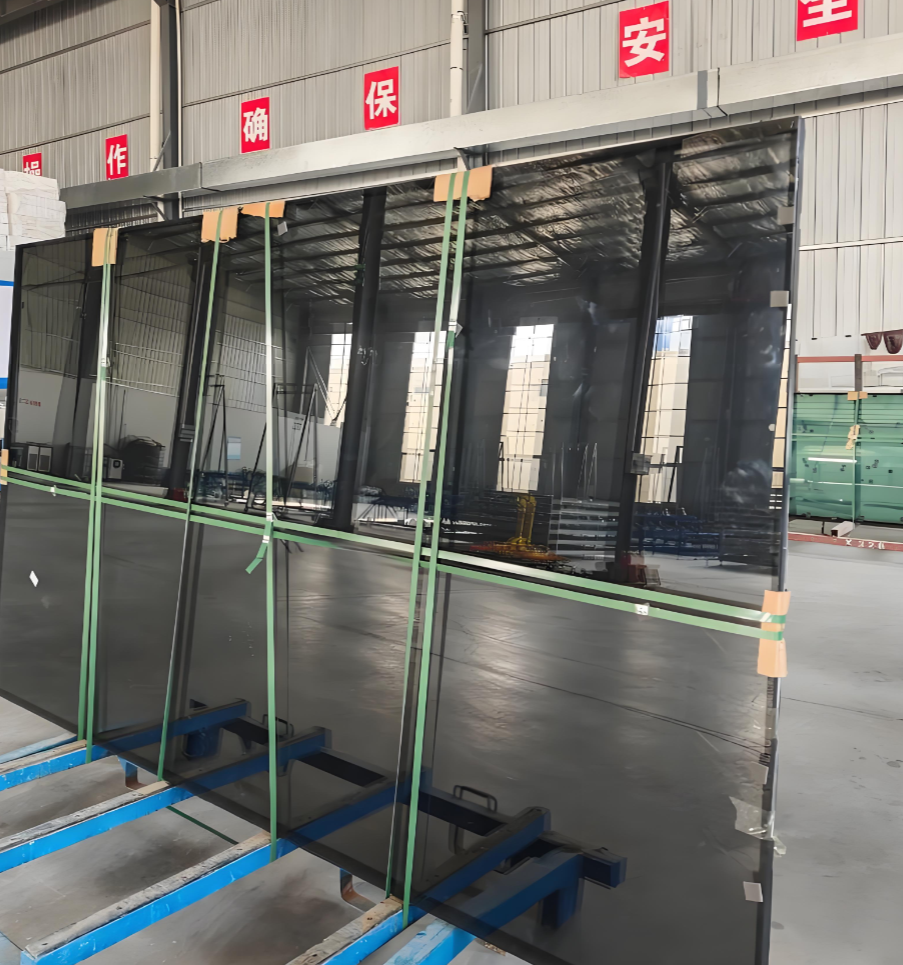
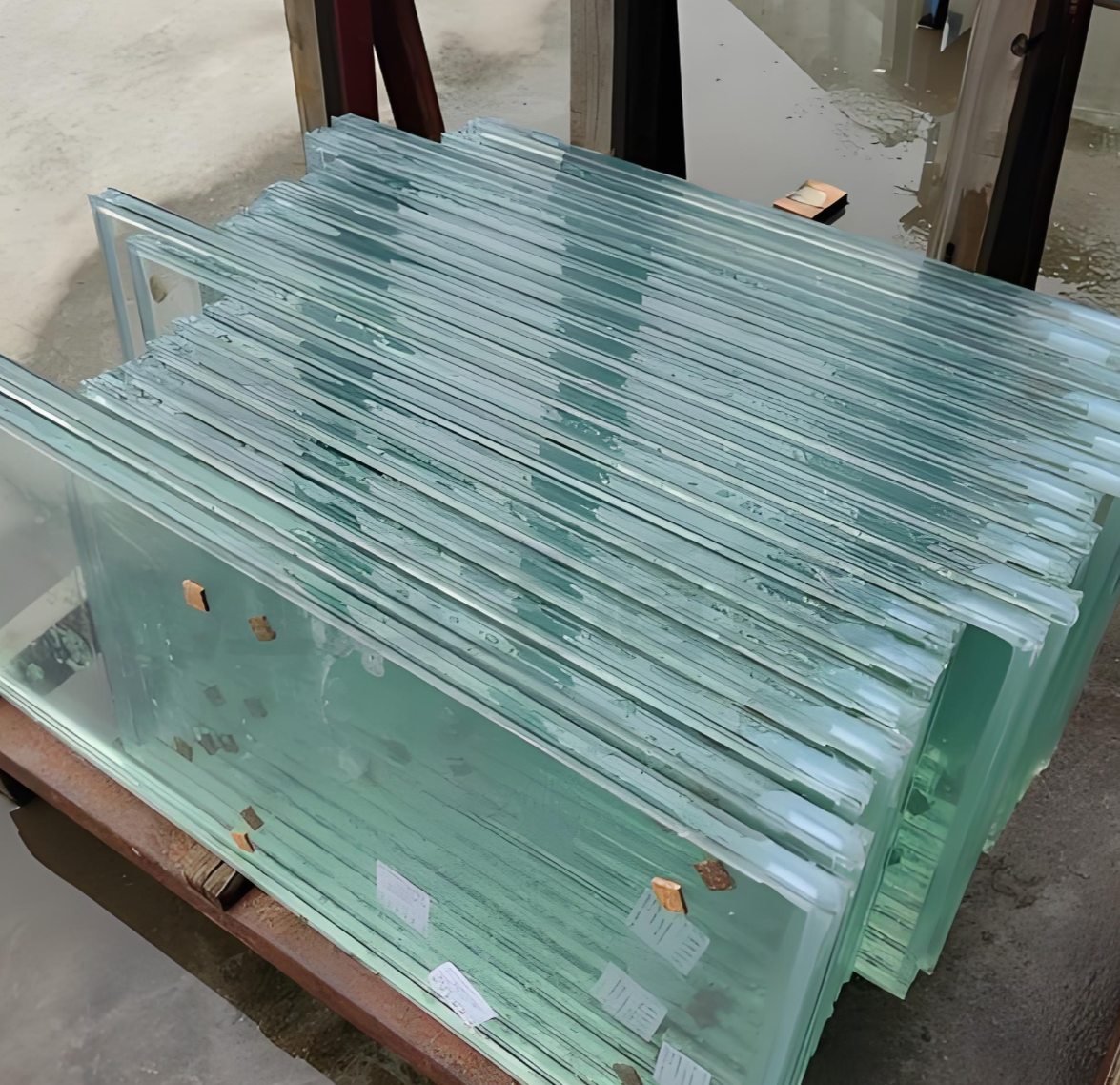
The industry's answer came through advanced material science and nano-technology. The transition from wired to clear fire-resistant glass represents a fundamental shift in both composition and performance. Modern clear fire-resistant glass, such as the systems developed by PYRONANO, utilizes multiple layers of specially treated laminated glass. The core innovation often lies in a transparent intumescent interlayer. When exposed to intense heat, this interlayer expands to form a thick, opaque, and insulating char barrier, effectively blocking heat radiation and flames while maintaining the glass's integrity. This technology allows for large, seamless panels that offer exceptional optical clarity—equivalent to standard architectural glass—while achieving rigorous fire ratings like EI60 or EW60. This breakthrough dissolved the old compromise, enabling fire compartments to be both highly protective and virtually invisible, thereby supporting modern architectural trends towards openness, transparency, and light-filled spaces.
Beyond Clarity to Integrated System Performance
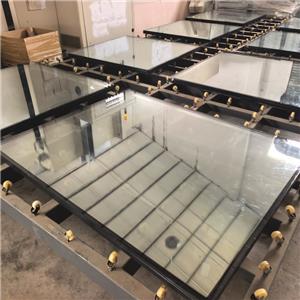
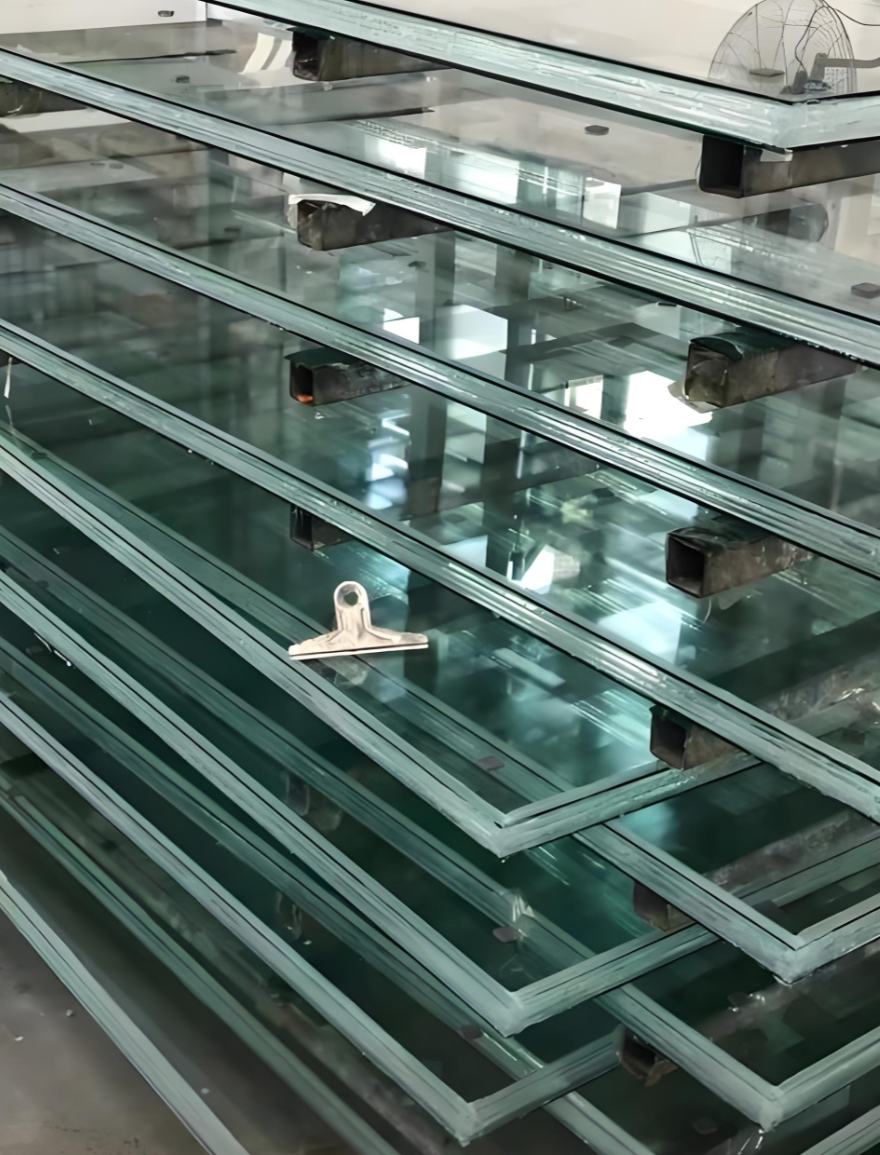
Today, leaders like PYRONANO define the cutting edge by moving beyond simple glass panels to deliver complete, certified fire-resistant glazing systems. The evolution now focuses on holistic performance and architectural integration. PYRONANO’s solutions, such as their frameless butt-joint systems, exemplify this. They provide not only crystal-clear fire-rated glass but also the necessary framing, seals, and hardware engineered to work as a unified system under fire conditions. This ensures the entire assembly, not just the glass, meets the declared fire resistance duration (e.g., 60 or 120 minutes). Furthermore, the evolution encompasses specialized applications like oversized, curved, or walkable fire-resistant glass floors and facades. These innovations are backed by comprehensive in-house testing and a suite of international certifications (like BS EN 1634-1), guaranteeing reliability. The modern clear solution is, therefore, a sophisticated, pre-engineered system that delivers assured safety, aesthetic freedom, and design versatility for the most demanding commercial and public projects.
The journey of fire-resistant glass, from the functional but flawed wired glass to today's sophisticated clear systems, mirrors the architectural world's growing demand for uncompromised safety, aesthetics, and innovation. PYRONANO stands at the forefront of this evolution. By leveraging core German nano-technology and a system-centric approach, they have transformed fire-resistant glazing from a mere building code requirement into a key enabler of modern, transparent, and safe architectural design. Their solutions ensure that safety is seamlessly integrated into the vision of light, space, and openness, protecting lives and property without sacrificing design intent.