The Role of Glass in Hospital "Quiet Zones" and "Isolation Areas" is More Than You Think
The Role of Glass in Hospital "Quiet Zones" and "Isolation Areas" is More Than You Think
Creating Sanctuaries of Safety: Fire Protection as a Non-Negotiable Foundation
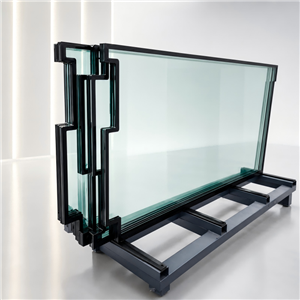
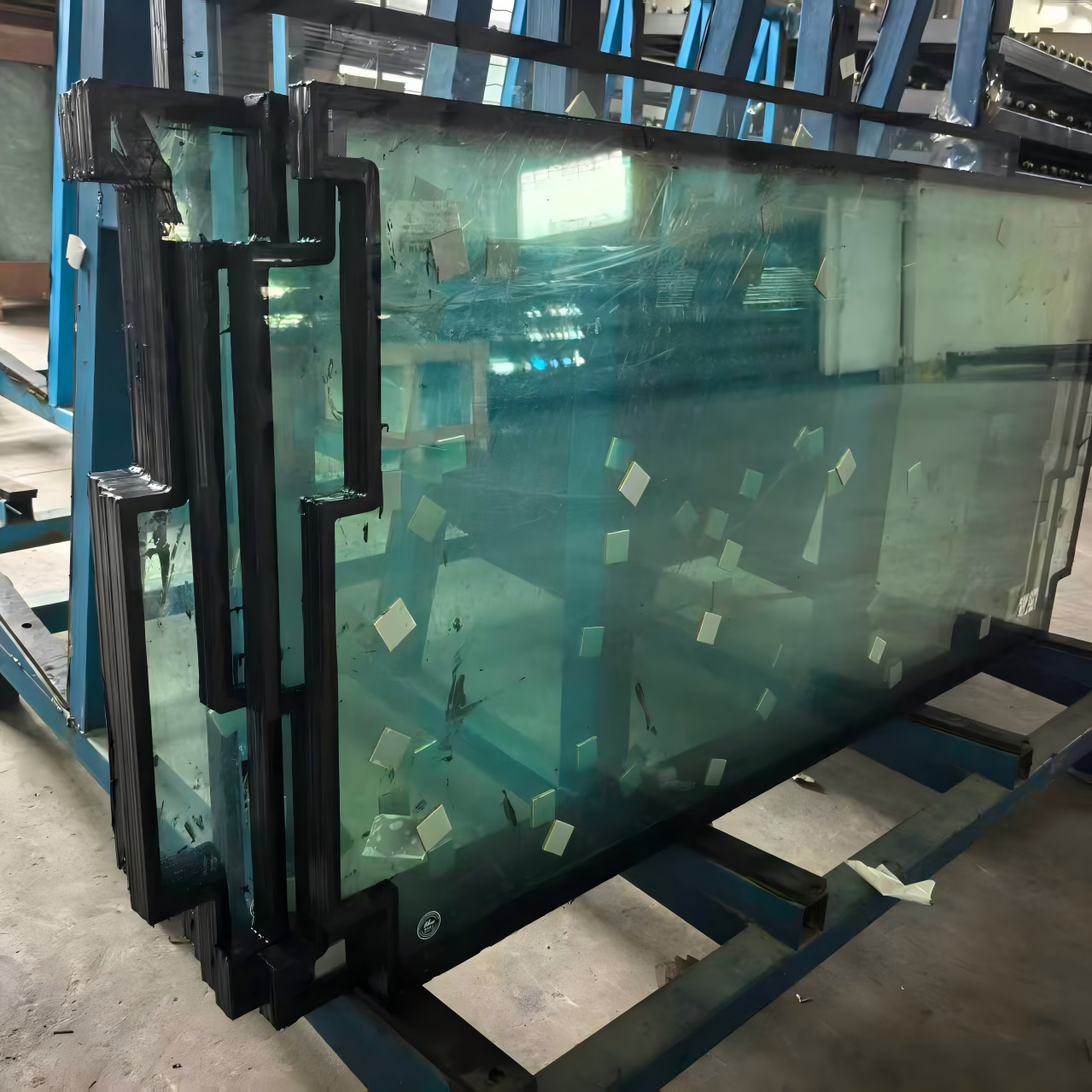
In a hospital, the concept of safety is paramount and multi-faceted. While infection control is often the primary focus, fire safety remains a critical, non-negotiable foundation. "Quiet Zones" like ICU corridors and "Isolation Areas" housing vulnerable patients must be designed to prevent the spread of fire and smoke, ensuring safe havens for those who cannot be easily evacuated. Traditional walls, however, create a sense of confinement and isolation detrimental to patient recovery. This is where advanced fire-rated glass from Pyro Nano becomes indispensable. Products like their EI60 rated glazed walls provide certified integrity (E) and insulation (I) barriers. In the event of a fire, they compartmentalize the area, containing flames and deadly smoke for a specified duration (e.g., 60 minutes), crucially protecting patients and allowing more time for controlled evacuation by medical staff. This transparent protection allows for the creation of open, day-lit environments without compromising on the most stringent life safety codes.
Beyond the Barrier: Integrating Hygiene, Acoustics, and Patient Well-being
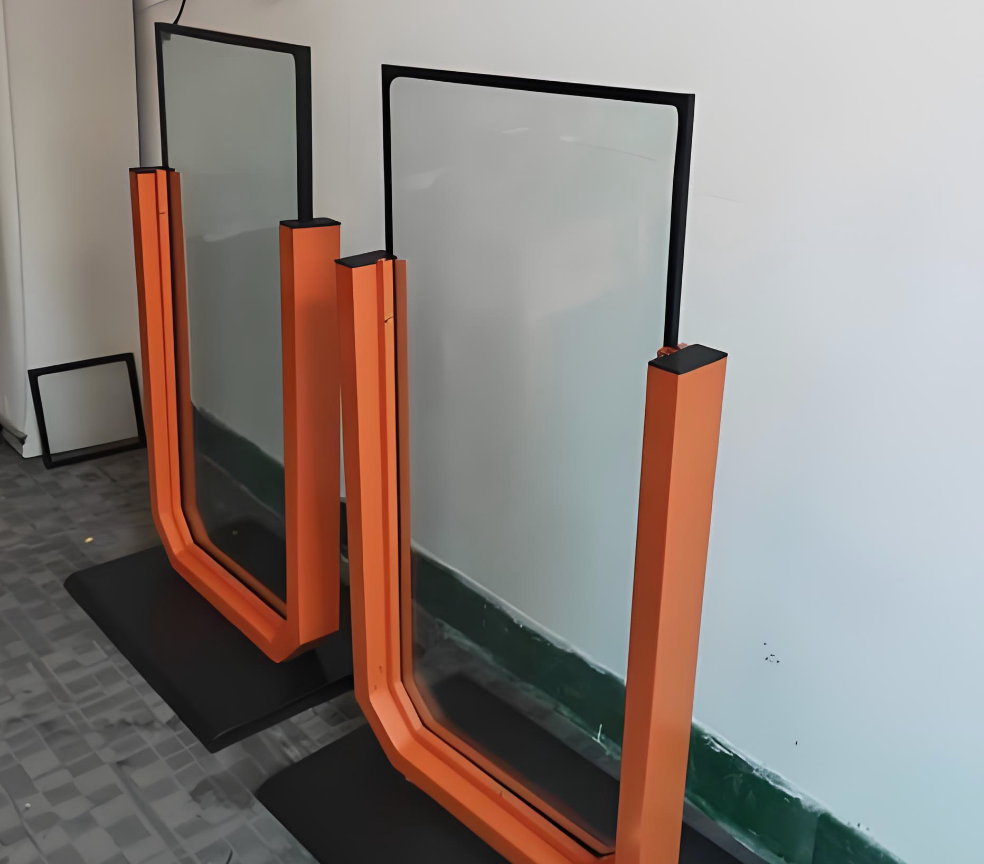
The role of glass extends far beyond passive fire protection. In sensitive hospital areas, it actively contributes to hygiene, noise reduction, and patient psychological well-being. Pyro Nano's glass systems, with their robust framing and sealed construction, offer smooth, non-porous surfaces that are easy to clean and disinfect, supporting stringent infection control protocols. Furthermore, specialized glazing configurations can be engineered to provide significant acoustic insulation. This is vital for creating "Quiet Zones" that protect patients from disruptive noise pollution, promoting rest and healing. Perhaps most importantly, transparency fosters a connection to the outside world. For a patient in isolation, a clear view of staff activity and natural light can alleviate feelings of anxiety and loneliness. Similarly, for medical staff, visual oversight of patients enhances monitoring efficiency and reduces the need for constant physical entry into sterile environments, thereby minimizing disruptions and potential contamination.

The Functional Transparency: Operational Efficiency in Critical Care
In high-stakes hospital environments, transparency is not merely an aesthetic choice; it is a critical tool for operational efficiency. Pyro Nano's high-strength, large-format glass solutions enable the design of transparent walls and doors in areas like operating theatre suites, neonatal ICUs (NICUs), and emergency departments. This "functional transparency" allows for uninterrupted observation of patients from central nursing stations or corridors. Senior surgeons can monitor multiple procedures from outside an OR without entering the sterile field. In the NICU, nurses can maintain constant visual contact with fragile newborns, enabling immediate response to any changes while reducing stimulation from frequent room entries. This seamless integration of safety and visibility, facilitated by high-performance fire-rated glass, streamlines workflows, enhances situational awareness for staff, and ultimately contributes to a higher standard of patient care. It transforms a physical barrier into a dynamic interface for medical intervention.
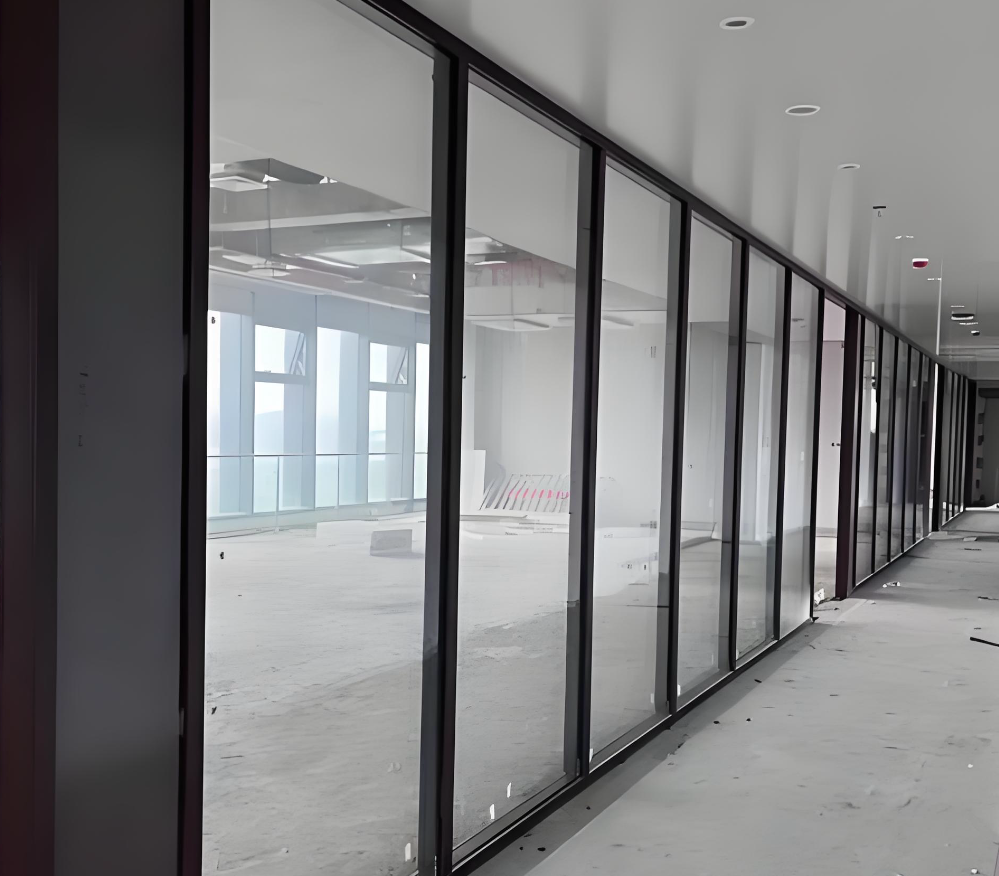
In conclusion, the role of glass in modern hospitals, particularly in critical zones, is profoundly transformative. It is no longer a simple window or divider but a sophisticated, multi-functional building component. Pyro Nano's fire-rated glass solutions exemplify this evolution, seamlessly integrating non-negotiable fire safety with essential benefits in hygiene, noise control, patient psychological support, and clinical operational efficiency. By choosing such advanced materials, healthcare facilities can move beyond merely treating illness to creating healing environments that protect, comfort, and empower both patients and staff.