Thermal insulation properties of fire-rated glass
Thermal insulation properties of fire-rated glass
The Critical Barrier: More Than Just Flames and Smoke
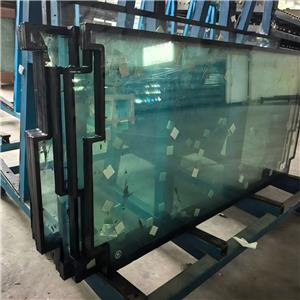
When specifying fire-rated glazing, the primary focus is often on preventing the passage of flames and smoke. However, the most life-threatening and damaging aspect of a fire can be the intense radiant heat it generates. This is where the thermal insulation properties of fire-rated glass become paramount, distinguishing superior EI-classified products from basic integrity-only (E-rated) versions. PYRONANO’s high-performance fire-resistant glass is engineered not just to remain intact but to actively insulate. During a standard fire resistance test, a critical criterion for EI-rated glass is the limitation of the average temperature rise on the unexposed (safe) side of the glass to no more than 140°C above ambient, with no single point exceeding 180°C. This performance is achieved through advanced multi-laminated constructions incorporating intumescent interlayers. When exposed to high heat, these interlayers expand dramatically, transforming into a thick, opaque, and stable charred layer. This char acts as a highly effective thermal barrier, drastically slowing the conduction of heat through the glass assembly. This crucial delay in heat transfer is what protects people on the safe side from fatal hyperthermia, prevents the spontaneous ignition of combustible materials (a phenomenon known as flashover), and safeguards the building’s structural integrity.
Engineering the Insulating Shield: Materials and Mechanics
The exceptional thermal insulation performance of PYRONANO’s glass is a result of deliberate material science and engineering. The core technology lies in the specialized intumescent interlayers sandwiched between panes of tempered or heat-strengthened glass. These are not ordinary PVB films; they are chemically formulated compounds containing fire-retardant salts and other agents. Upon reaching a specific activation temperature (typically between 120°C and 250°C), the interlayer undergoes a rapid chemical and physical transformation. It swells to many times its original thickness, creating a foam-like, micro-porous char that is an excellent insulator. This expanded layer is composed largely of carbon and other stable compounds, which are poor conductors of heat. It effectively creates a protective, insulating air gap within the glass assembly itself. The more effective and stable this expansion, the better the insulation. High-quality products like those from PYRONANO ensure a uniform, cohesive expansion that does not crack or separate, maintaining a continuous barrier. Additionally, the glass panes themselves absorb and dissipate a portion of the radiant energy. The combination of heat absorption by the glass and the active, resistive barrier created by the intumescent char works synergistically to meet the stringent EI-classification temperature rise limits, making it a true heat-insulating fire barrier.
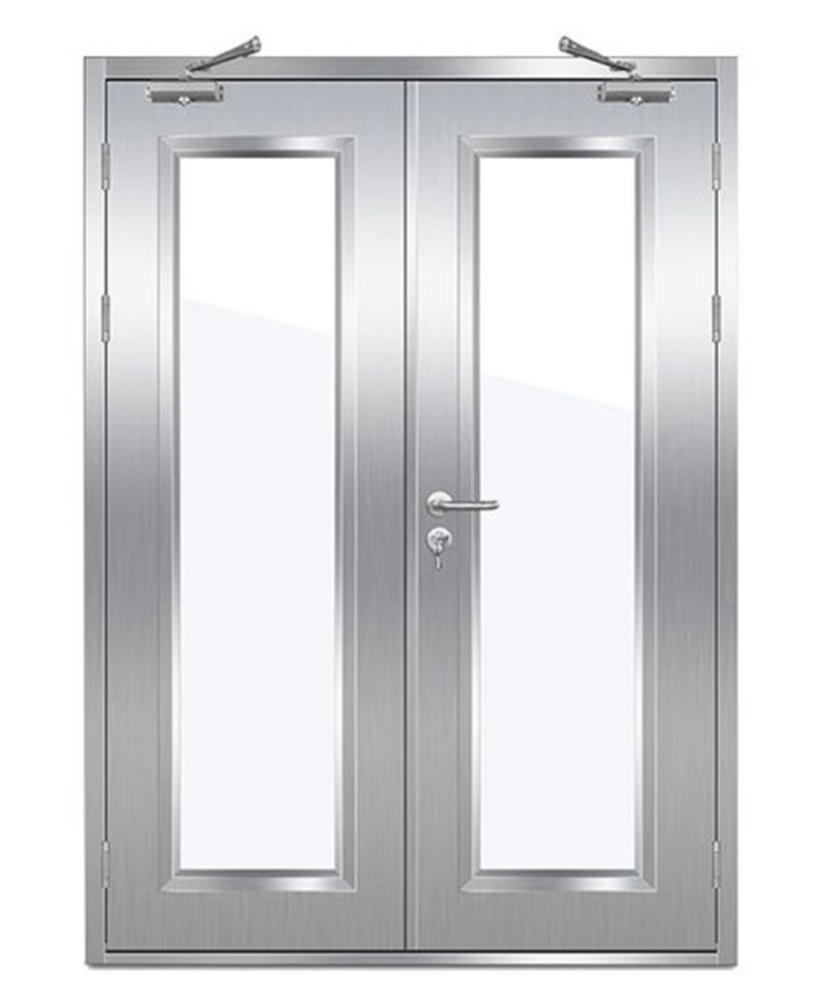
Practical Benefits: Protecting People, Property, and Performance
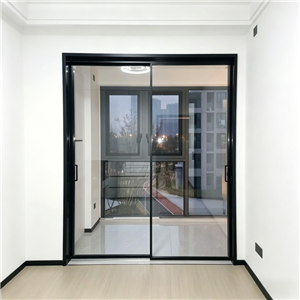
The practical implications of superior thermal insulation in fire-rated glass are profound, impacting both life safety and asset protection. In protected escape routes like corridors and stairwells, the insulation maintains the environment on the safe side as tenable for a longer period, giving occupants crucial extra minutes to evacuate without being overcome by heat. It also protects firefighting access routes, enabling emergency responders to approach the fire source more closely and safely. For property and asset protection, limiting heat transfer prevents secondary fires from starting on the protected side, safeguarding equipment, archives, and inventory. It also protects the building’s structural steel and concrete from excessive heat exposure, which can cause spalling, weakening, and potential collapse. Beyond emergency scenarios, the insulating properties also contribute to the building’s everyday energy efficiency. The multi-laminated construction and sealed air spaces inherently provide better thermal performance than monolithic glass, helping to reduce heat loss in winter and heat gain in summer at the perimeter, thus contributing to lower HVAC loads and operational costs. This dual benefit—extraordinary protection in a crisis and enhanced efficiency in daily operation—makes specifying EI-rated, insulated glass from PYRONANO a smart, value-adding decision for any high-performance building.
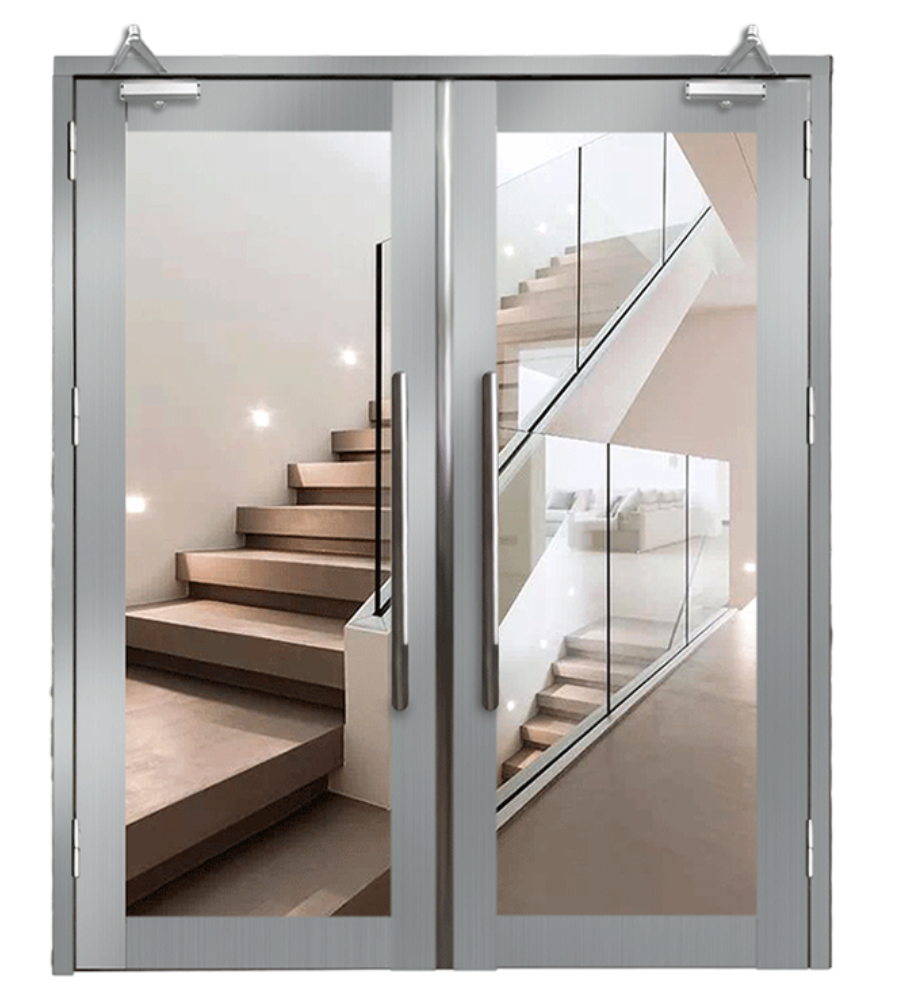
In conclusion, the thermal insulation properties of fire-rated glass are the defining feature that elevates a transparent barrier from a simple visual shield to an intelligent, life-preserving system. It is the engineered response to the lethal threat of radiant heat. PYRONANO’s EI-classified glass, with its advanced intumescent interlayers, is specifically designed to create this critical insulating barrier, delivering certified protection that safeguards human life, preserves property, and supports structural resilience. In the hierarchy of fire safety performance, true thermal insulation is not an optional luxury; it is the essential characteristic that defines a complete and reliable fire-rated glazing solution.