Understanding fire ratings
Understanding fire ratings
Decoding the Alphabet of Safety: E, EW, and EI Explained
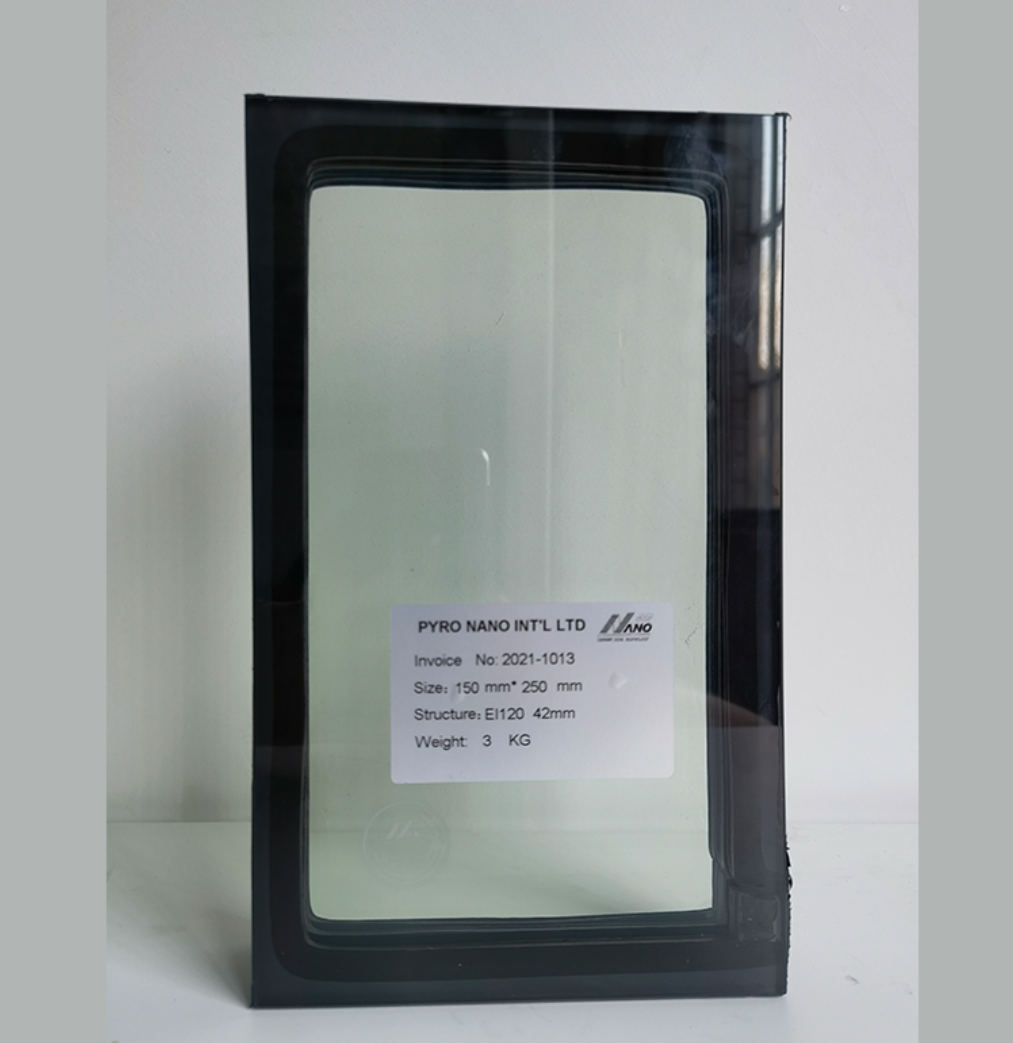
The cornerstone of specifying fire-rated glazing is a clear understanding of the performance classifications. These are not arbitrary terms but precise ratings derived from standardized furnace tests (like ISO, EN, or ASTM). The key classifications are E, EW, and EI. An "E" rating (Integrity) is the most basic. It indicates that the glass assembly, when exposed to fire on one side, will prevent the passage of flames and hot gases for the stated duration (e.g., E30, E60). However, it does not significantly limit the transfer of radiant heat to the unexposed side. An "EW" rating (Integrity and Reduced Heat Radiation) builds on this by incorporating radiation control. An EW-rated element, such as fire-resistant glass, not only maintains integrity but also limits the heat radiating through it to a specified level for a set time, helping to protect people and materials on the safe side from thermal injury. The most comprehensive rating is "EI" (Integrity and Insulation). An EI-rated assembly, like many of PYRONANO’s high-performance products, fulfills both the E and EW criteria and adds a critical third: it limits the temperature rise on the unexposed face. This prevents the ignition of combustible materials and protects the building's structural elements on the non-fire side. Understanding these differences is crucial for selecting the correct product for life safety (e.g., corridor walls requiring EI) versus property protection.
Interpreting the Numbers: Durations and Application Mandates
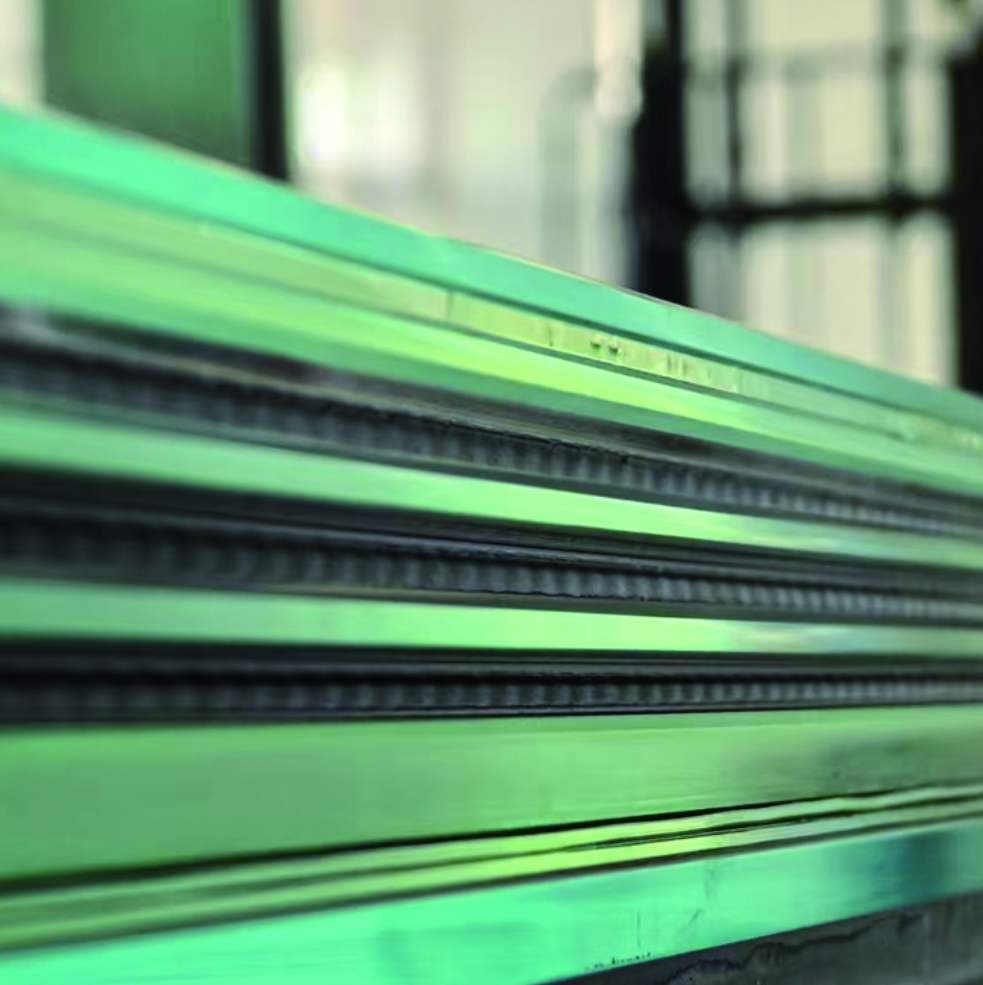
Following the letter classification (E, EW, EI) is a numerical value representing the duration of tested performance in minutes. Common ratings include 30, 60, 90, and 120 minutes. A product labeled EI 60 has been proven to provide integrity, insulation, and radiation control for a full hour under standard fire test conditions. The required duration is dictated by local building codes and fire safety regulations, which are based on factors such as building height, occupancy type, compartment size, and proximity to fire escapes. For instance, a fire escape stairwell enclosure in a high-rise building will typically require a 60, 90, or 120-minute fire rating, while an internal office partition might only need 30 minutes. It is absolutely vital to note that the certified rating applies to the complete installed assembly—the glass, the frame, the seals, and the fixings as a system. Using an EI-rated glass panel in a non-rated frame, or installing it with improper seals, voids the certification. PYRONANO provides fully tested and certified glazing systems, ensuring that every component works in harmony to deliver the promised performance for the specified duration.
From Specification to Safety: Making Informed Choices
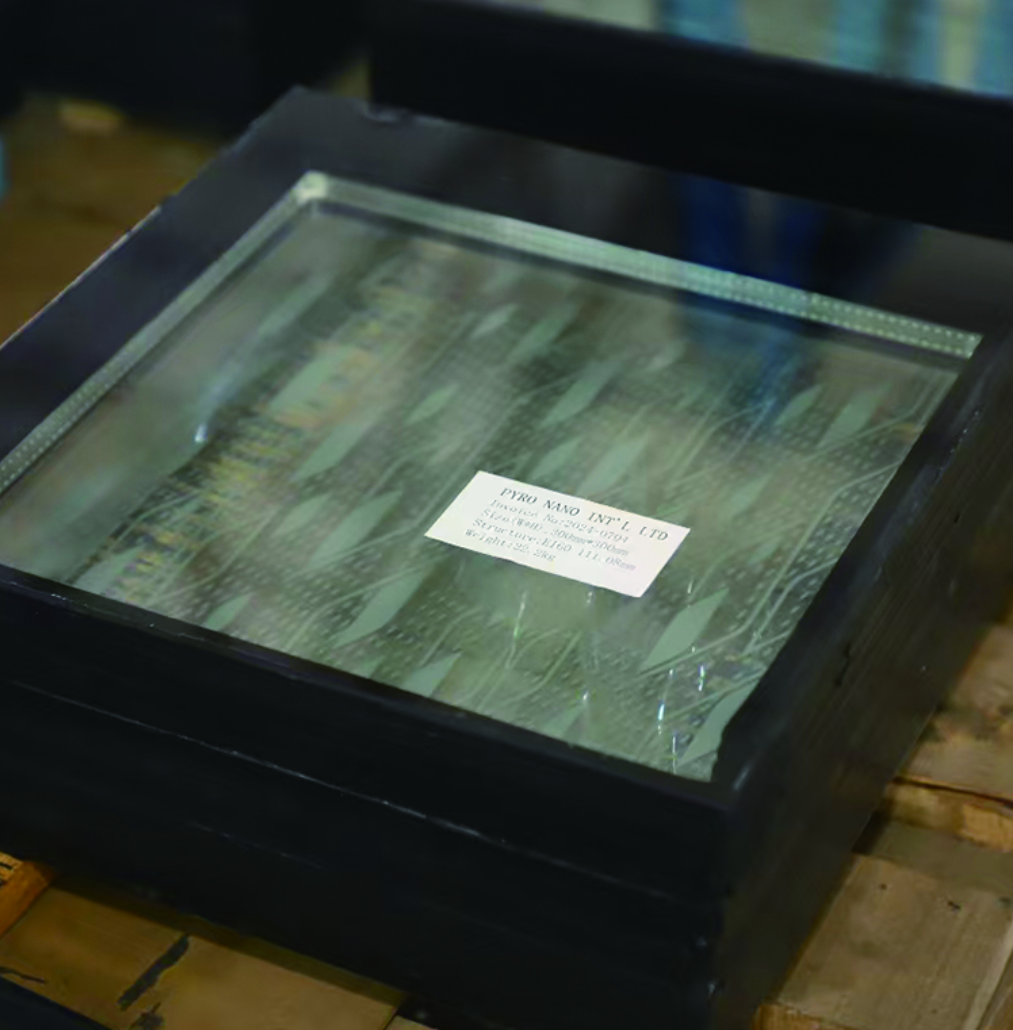
Understanding fire ratings empowers architects, specifiers, and building owners to make decisions that genuinely protect lives and property. The choice is not merely about finding a product with a high number; it is about matching the product's certified performance to the specific risk and regulatory requirement of the application. For areas where occupant evacuation is the primary concern, such as corridors leading to exits, an EI-rated glass wall is essential to create a protected, tenable environment for escape. In applications where the main goal is to provide a physical fire barrier with visibility, such as in a warehouse separating offices from storage, an EW-rated product might be sufficient. Always consult the project's fire strategy report and local authority requirements. Partnering with a knowledgeable manufacturer like PYRONANO is invaluable. Their technical teams can guide the selection process, provide the necessary test reports and certifications for code compliance, and ensure the specified system is installed correctly to perform as intended. In essence, a true understanding of fire ratings transforms them from a confusing specification into a clear roadmap for achieving verifiable safety.
Understanding fire ratings empowers architects, specifiers, and building owners to make decisions that genuinely protect lives and property. The choice is not merely about finding a product with a high number; it is about matching the product's certified performance to the specific risk and regulatory requirement of the application. For areas where occupant evacuation is the primary concern, such as corridors leading to exits, an EI-rated glass wall is essential to create a protected, tenable environment for escape. In applications where the main goal is to provide a physical fire barrier with visibility, such as in a warehouse separating offices from storage, an EW-rated product might be sufficient. Always consult the project's fire strategy report and local authority requirements. Partnering with a knowledgeable manufacturer like PYRONANO is invaluable. Their technical teams can guide the selection process, provide the necessary test reports and certifications for code compliance, and ensure the specified system is installed correctly to perform as intended. In essence, a true understanding of fire ratings transforms them from a confusing specification into a clear roadmap for achieving verifiable safety.