Upgrading Old Buildings with New Fire Safety Glass
Upgrading Old Buildings with New Fire Safety Glass
The Modern Solution to a Legacy Challenge
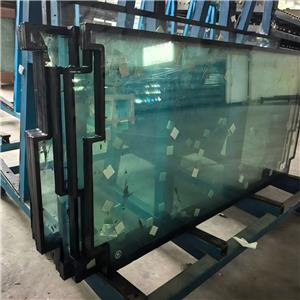
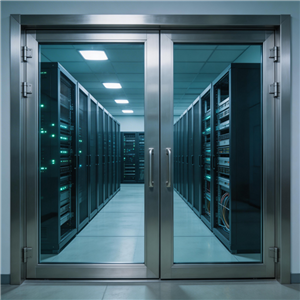
Countless older buildings, from historic schools to classic office towers, face a common dilemma: their original design often fails to meet modern fire safety codes. Traditional retrofitting solutions typically involved erecting solid masonry walls or installing obstructive, wired-glass screens. These approaches, while improving safety, often came at the cost of the building’s architectural character, natural lighting, and sense of space. The advent of advanced fire-resistant glass technology presents a transformative alternative. Modern fire-rated glazing systems allow for a non-intrusive upgrade that seamlessly integrates into existing structures. Products like EI60-rated glass partitions can be installed within original door openings and corridor walls, providing up to 60 minutes of certified protection against flames and heat. This approach enables building owners and architects to preserve the historic fabric and open feel of a property while decisively closing the safety gap, turning a compliance challenge into an opportunity for enhancement.
Enhancing Light, Space, and Value
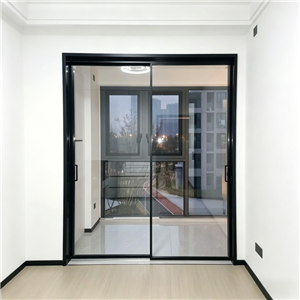
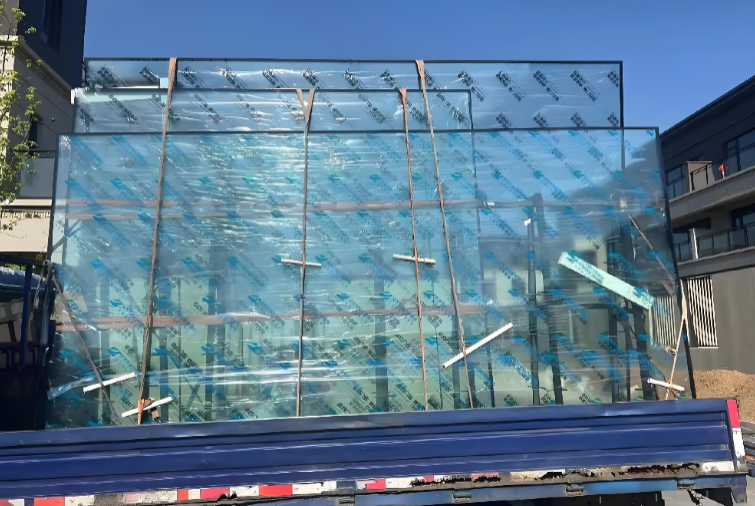
The benefits of upgrading with new fire safety glass extend far beyond mere code compliance. A primary advantage is the dramatic improvement in natural light penetration. Replacing solid walls with transparent or translucent fire-resistant partitions allows daylight to reach deep into the building's core, reducing reliance on artificial lighting and creating a more pleasant and productive environment. Furthermore, this intervention can significantly maximize usable space. In many older buildings, corridors and stairwells feel cramped and dark. By using sleek, frameless fire-resistant glass systems, these areas are visually opened up, making them feel more spacious and welcoming without compromising their fire-rated integrity. This strategic upgrade directly translates into increased property value. Tenants and occupants highly value bright, safe, and open-plan environments. Therefore, investing in high-performance fire glass is not just an expense; it is a strategic modernization that enhances the building's functionality, aesthetics, and market appeal, ensuring it remains competitive for years to come.
A Practical Guide to Seamless Retrofitting
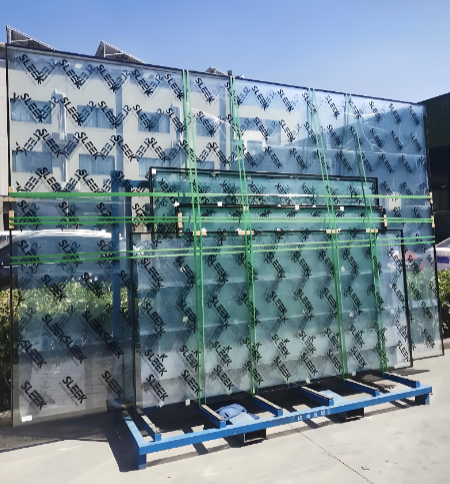
Successfully integrating new fire safety glass into an old building requires a meticulous, system-based approach. The first critical step is a thorough assessment of the existing structural integrity. The building's original framework must be able to support the weight of the new glazing system, which may involve structural reinforcement. The second key consideration is selecting the appropriate certified glazing system for the specific application. This involves choosing not just the glass panel (e.g., EI30 for corridors, EI60 for high-risk separations), but also the compatible framing and intumescent seals that have been tested together as a unit. Companies like PYRONANO specialize in providing these complete, pre-engineered solutions, which streamline the installation process and guarantee performance. Finally, working with experienced contractors who understand the nuances of both historic preservation and modern fire safety installation is paramount. Their expertise ensures that the new fire-resistant glass assemblies are fitted perfectly, maintaining the aesthetic integrity of the building while providing a robust, code-compliant safety barrier that protects occupants for decades.
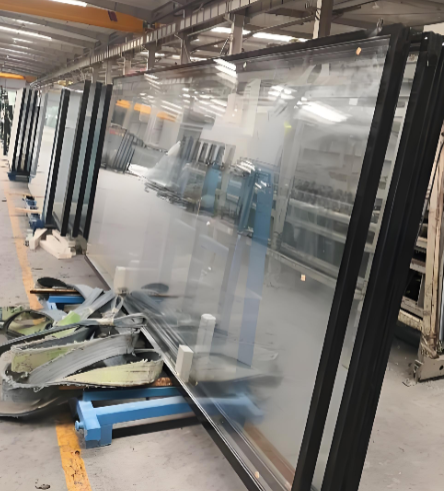
Upgrading old buildings with new fire safety glass is a clear demonstration of how innovation can respectfully bridge the past and the present. It moves the conversation from simple compliance to intelligent enhancement, allowing architects and building owners to preserve architectural heritage without sacrificing contemporary safety standards. This approach transforms necessary safety upgrades into value-adding investments, ensuring that historic structures not only remain standing but also become safer, brighter, and more relevant for future generations.