Why Are New School Buildings Using More and More Large Glass Panels?
Why Are New School Buildings Using More and More Large Glass Panels?
Fostering Well-being and Collaboration: The Pedagogical Shift Towards Open, Light-Filled Spaces
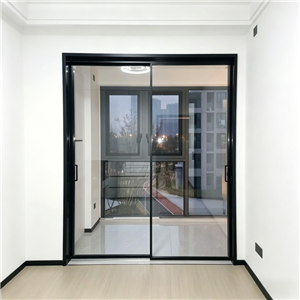
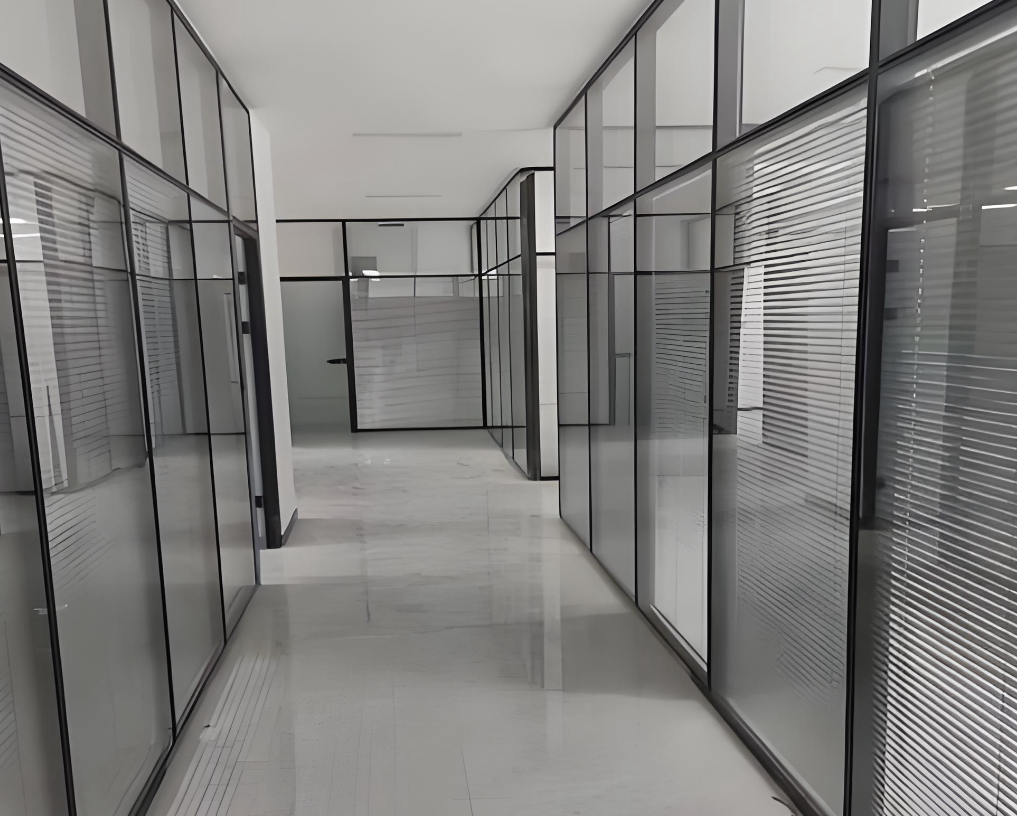
Modern educational philosophy emphasizes collaboration, creativity, and student well-being, moving away from the isolated, closed-off classrooms of the past. This pedagogical shift is directly reflected in school architecture through the strategic use of large glass panels. Expansive windows and glass partitions maximize the infusion of natural light, which has been proven to improve mood, concentration, and overall academic performance. Furthermore, transparency fosters a sense of openness and connection. Interior glass walls in corridors and between classrooms allow for visual connectivity, making spaces feel larger and less confined. This environment encourages collaboration among students and provides teachers with passive supervision capabilities, enhancing both safety and a shared sense of community. The design prioritizes an inviting, inspiring atmosphere that supports modern learning methodologies.
The Non-Negotiable Priority: Integrating Uncompromising Safety and Security
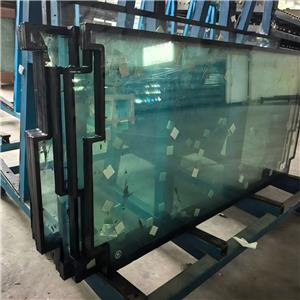
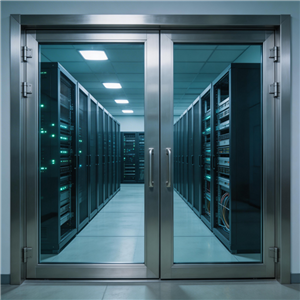
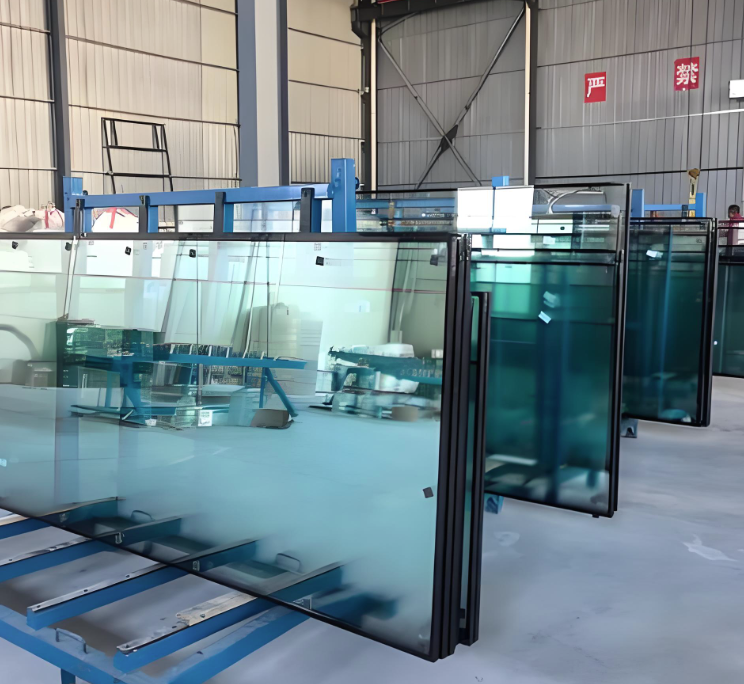
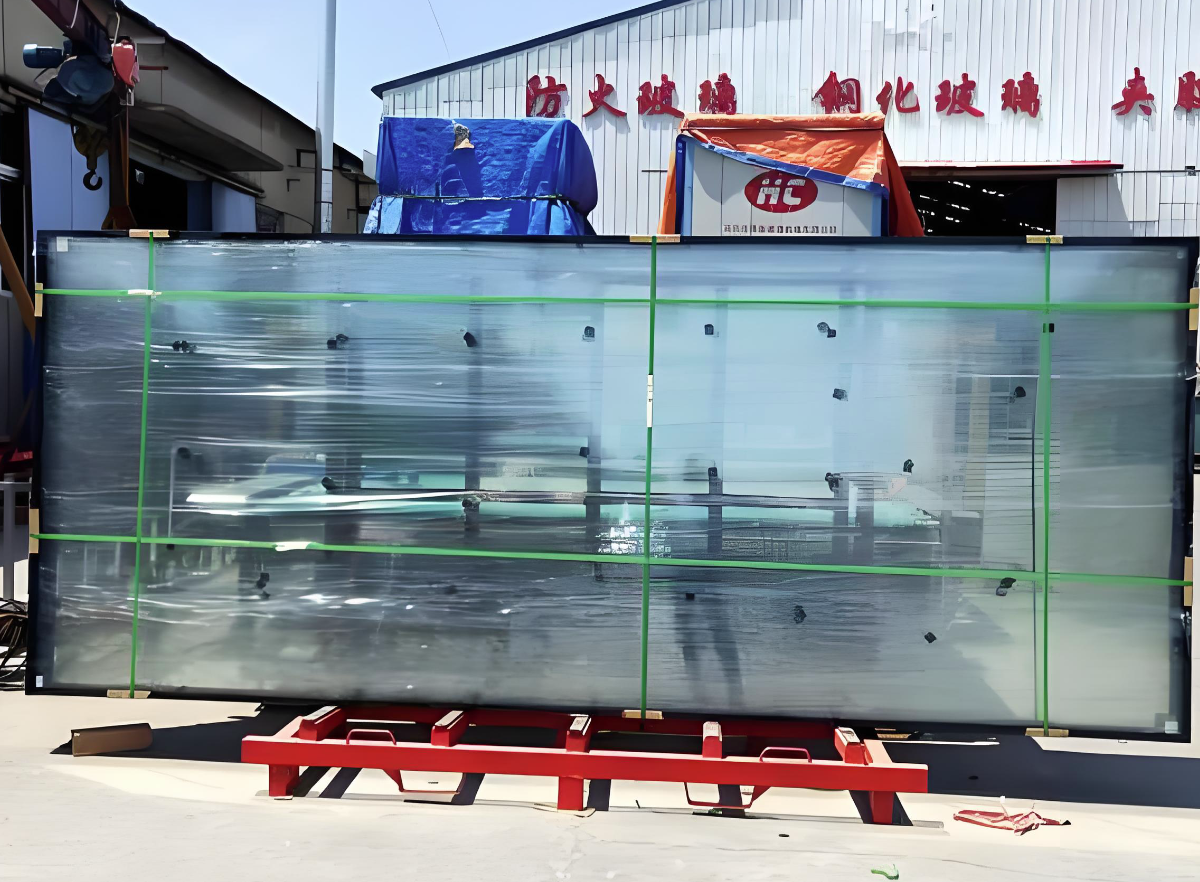
While the aesthetic and pedagogical benefits are clear, the safety of students and staff is the absolute priority in any educational environment. The use of large glass panels must therefore be underpinned by advanced safety technologies. This is where high-performance fire-rated glass, such as Pyro Nano's products, becomes indispensable. These are not ordinary windows; they are engineered systems certified to rigorous standards (e.g., EI30, EI60). In the event of a fire, they act as transparent barriers, containing flames and, crucially, blocking the passage of deadly heat and smoke for a specified period. This compartmentation protects escape routes, providing vital time for evacuation. Moreover, modern safety glass is designed for impact resistance, reducing the risk of breakage and injury. This combination of fire resistance and physical durability allows architects to meet stringent safety codes without sacrificing the design vision of open, light-filled schools.
A Smart Investment: Achieving Sustainability and Operational Efficiency
Beyond the immediate benefits for occupants, large glass panels contribute to making school buildings more sustainable and operationally efficient, which is a smart long-term investment for communities. Strategically placed high-performance glazing can significantly reduce the reliance on artificial lighting during the day, leading to substantial energy savings. Furthermore, solar control coatings, often integrated into modern glass, help manage solar heat gain. This passive temperature regulation prevents classrooms from overheating, reducing the burden on HVAC systems and further lowering energy consumption and carbon emissions. The durability and low maintenance requirements of quality glass also contribute to lower long-term operating costs. By supporting goals such as LEED certification, the use of advanced glass supports the creation of healthier, more environmentally responsible learning environments that teach students by example about sustainability.
In conclusion, the trend towards large glass panels in new school buildings is a holistic response to the demands of 21st-century education. It is a carefully considered strategy that seamlessly blends pedagogical aims with non-negotiable safety requirements and long-term sustainability goals. Powered by advanced materials like Pyro Nano's fire-rated glass, these transparent environments are not merely an architectural style but a powerful tool for creating safer, healthier, and more inspiring spaces where students can thrive.