Butt-Joint Systems for Seamless Glass Partitions
Butt-Joint Systems for Seamless Glass Partitions
The Architectural Revolution: Achieving Maximum Transparency with Minimal Framing
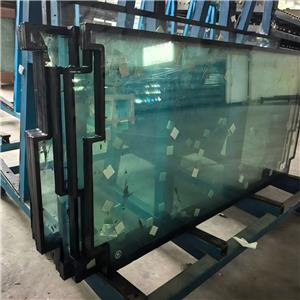
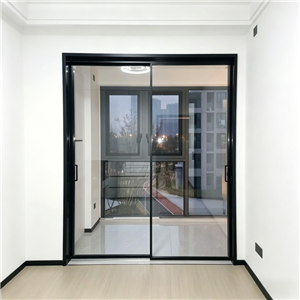
Butt-joint systems for glass partitions represent a significant leap forward in architectural design, enabling the creation of stunningly transparent and seemingly frameless barriers. Unlike traditional framed systems that use continuous vertical covers to mask the gaps between glass panels, butt-joint technology allows glass panels to meet edge-to-edge with an almost imperceptible gap. This is achieved through precision-engineered, minimalistic fittings that are often discreetly embedded within the glass or floor/channel. For fire-resistant partitions, this poses a unique engineering challenge: how to maintain the critical fire integrity (E) and insulation (I) ratings without the visible presence of a protective, intumescent-laden frame. PyroNano addresses this by integrating intumescent materials directly into the specialized joint components or utilizing ceramic wool and other high-temperature seals within the minimal gap. This innovative approach fulfills the demand for open, light-filled spaces while uncompromisingly adhering to the strictest fire safety regulations, making it ideal for corporate offices, luxury hotels, and high-end retail environments.
Engineering the Invisible Shield: Precision, Pressure, and Fire Performance
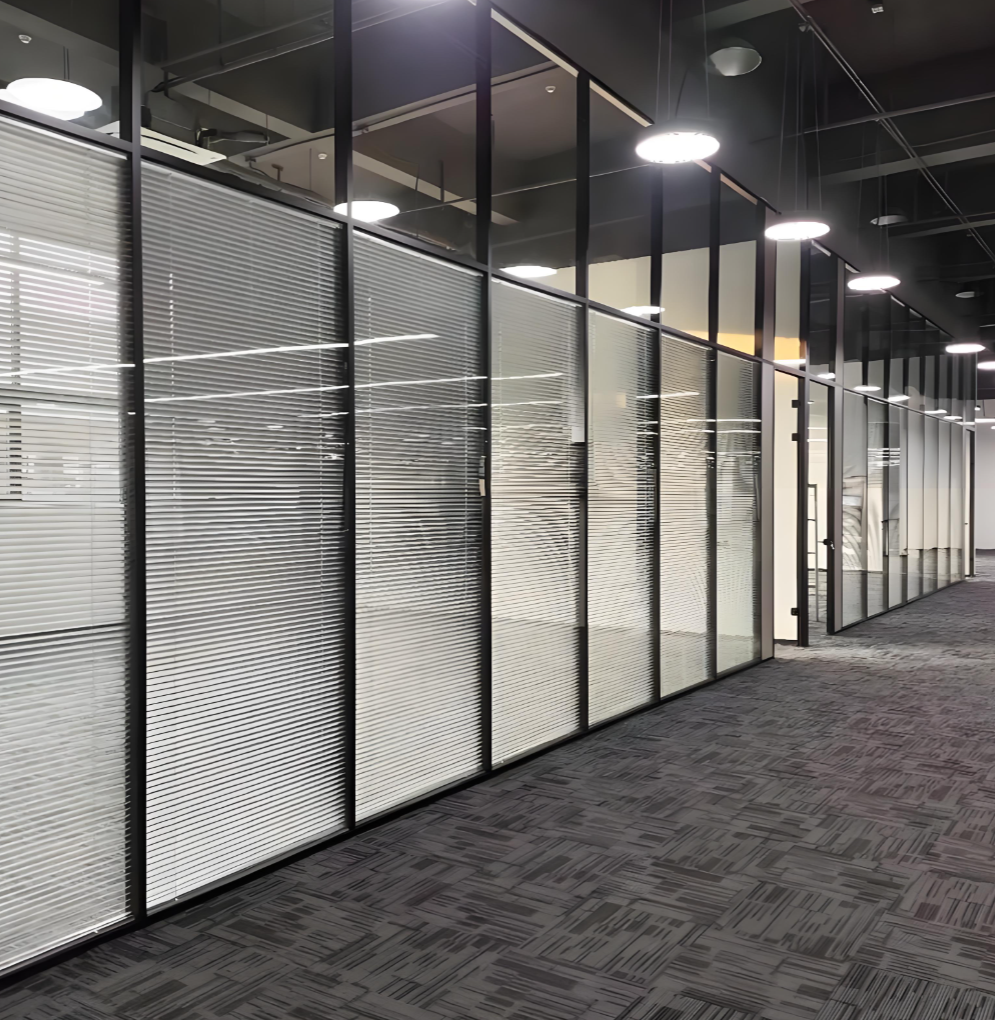
The core of a reliable butt-joint system lies in its precision engineering and the management of thermal expansion under extreme heat. Each component, from the glass edge polish to the tolerance of the gap (typically under 5mm), is manufactured and installed with meticulous accuracy. The system relies on creating a precise line of contact and pressure between panels. In the event of a fire, the hidden intumescent materials within the joint or the surrounding channels activate, expanding rapidly to fill the minimal gap completely. This expansion creates a dense, charred seal that effectively blocks the passage of flames, hot gases, and, crucially, heat radiation. PyroNano's systems are rigorously tested (e.g., to BS EN 1364-1 for non-loadbearing walls) to certify that this expansion occurs uniformly and reliably, ensuring the entire assembly, including the joints, maintains its integrity and insulation for the required duration, such as 60 or 120 minutes (EI60/EI120). The success of this system depends on the seamless integration of the glass, the joint mechanics, and the reactive fire-stopping seals.
Beyond Aesthetics: Practical Advantages in Installation and Flexibility
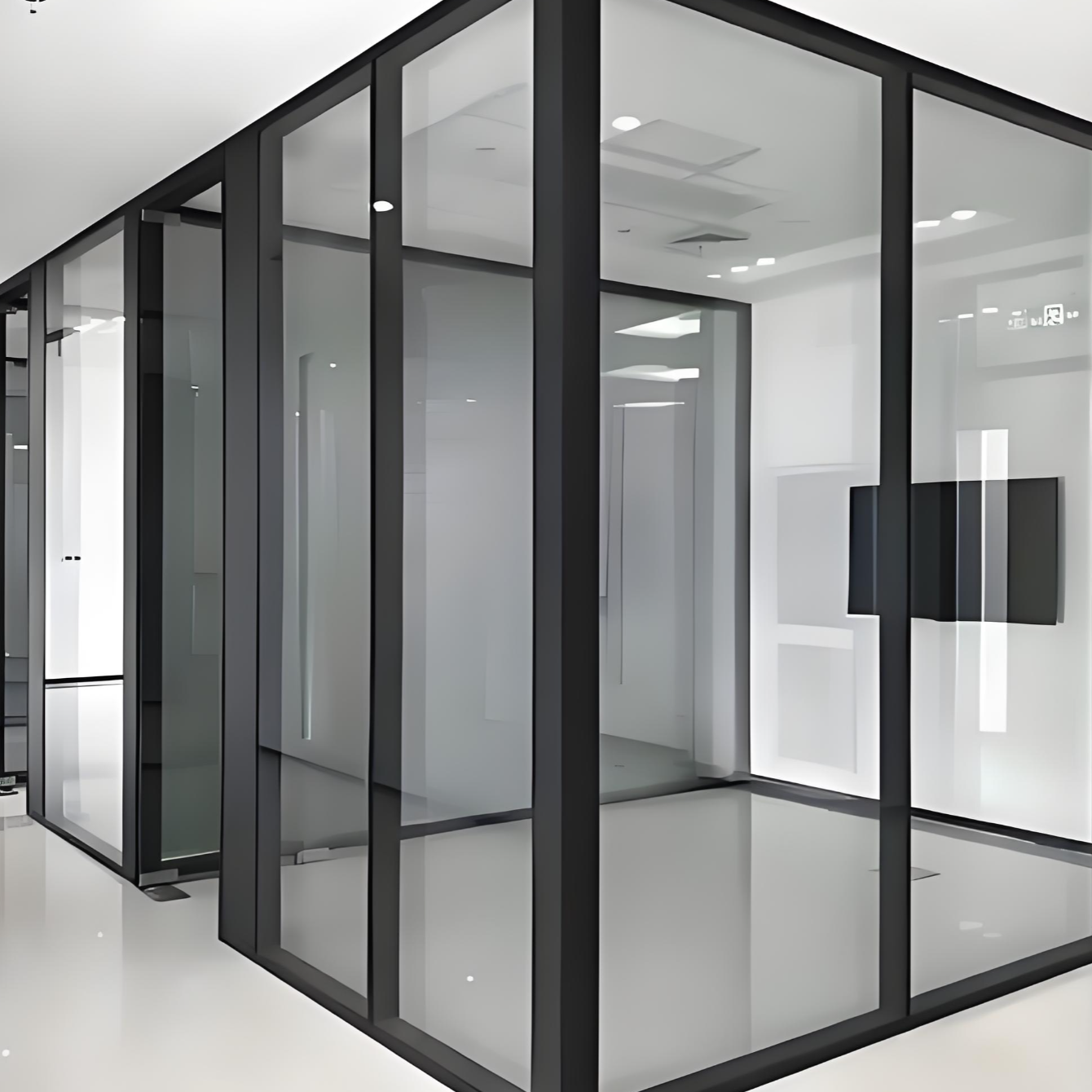
The benefits of butt-joint systems extend beyond their sleek appearance to offer significant practical advantages. The reduction in visible metal framing can lead to faster installation times, as there are fewer bulky components to assemble and align. This modularity also provides greater design flexibility, allowing for the creation of complex geometries, curved walls, and custom angles with a continuous visual flow. For building managers, these systems are often easier to clean and maintain due to the absence of dust-collecting horizontal frame members. PyroNano's expertise ensures that these systems can be engineered to accommodate movement in the building structure, with specialized fittings that allow for micro-adjustments during installation and thermal expansion/contraction during normal use. This combination of aesthetic purity, functional efficiency, and certified fire safety makes butt-joint glass partitions a sophisticated and intelligent choice for modern architecture, proving that safety does not have to come at the expense of design.
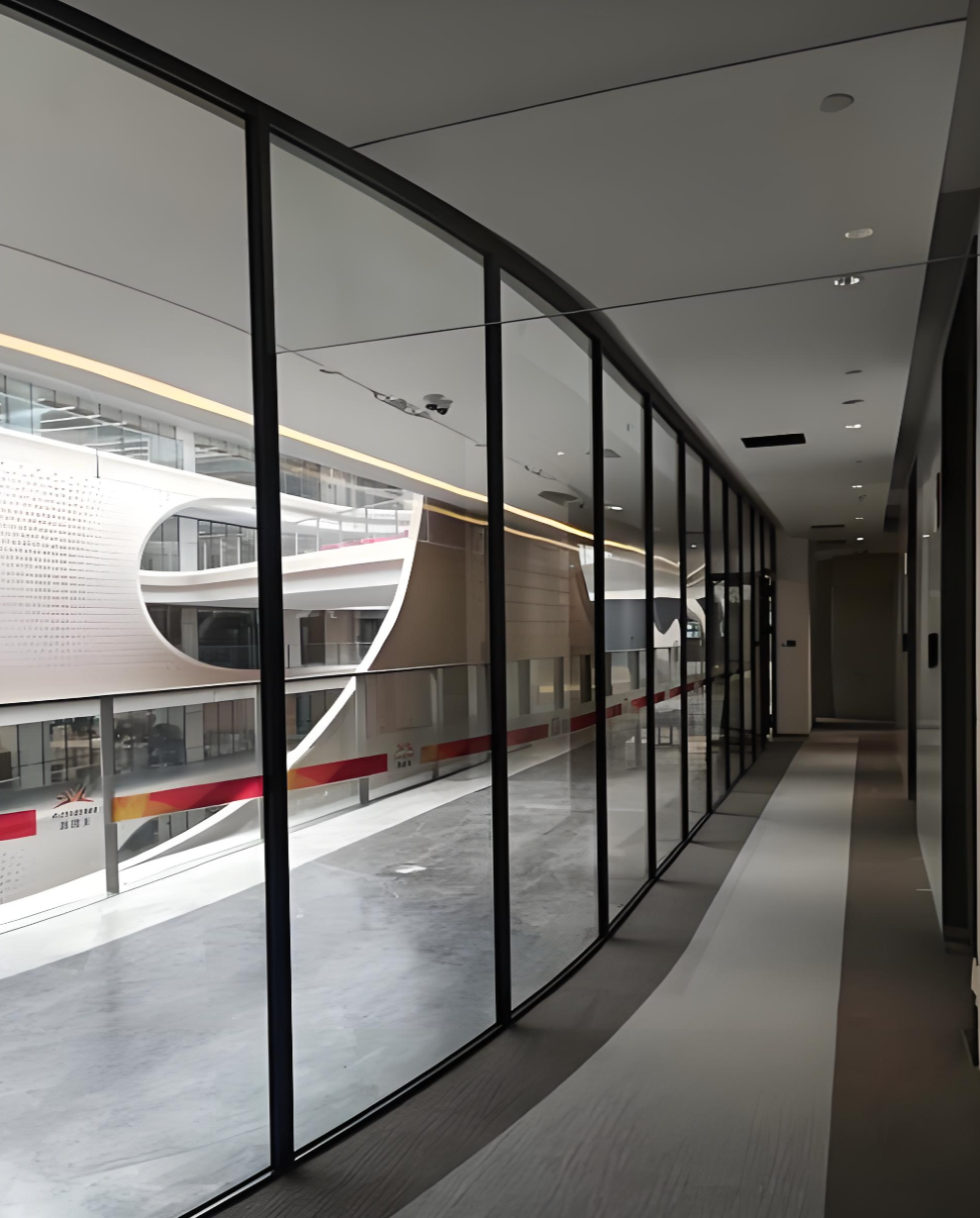
Butt-joint systems for glass partitions masterfully reconcile the competing demands of open-design aesthetics and rigorous fire safety. By engineering nearly invisible connections with integrated intumescent technology, PyroNano delivers seamless transparent barriers that provide certified protection. This innovation empowers architects to design breathtaking, safe, and functional spaces without visual interruptions.