The Role of Laminated Glass in Blocking Heat Radiation
The Role of Laminated Glass in Blocking Heat Radiation
The Fundamental Barrier: Multi-Layered Lamination and the Intumescent Interlayer
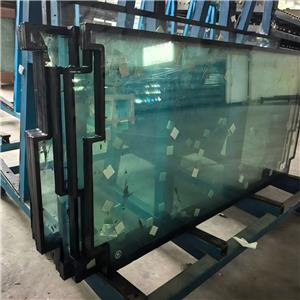
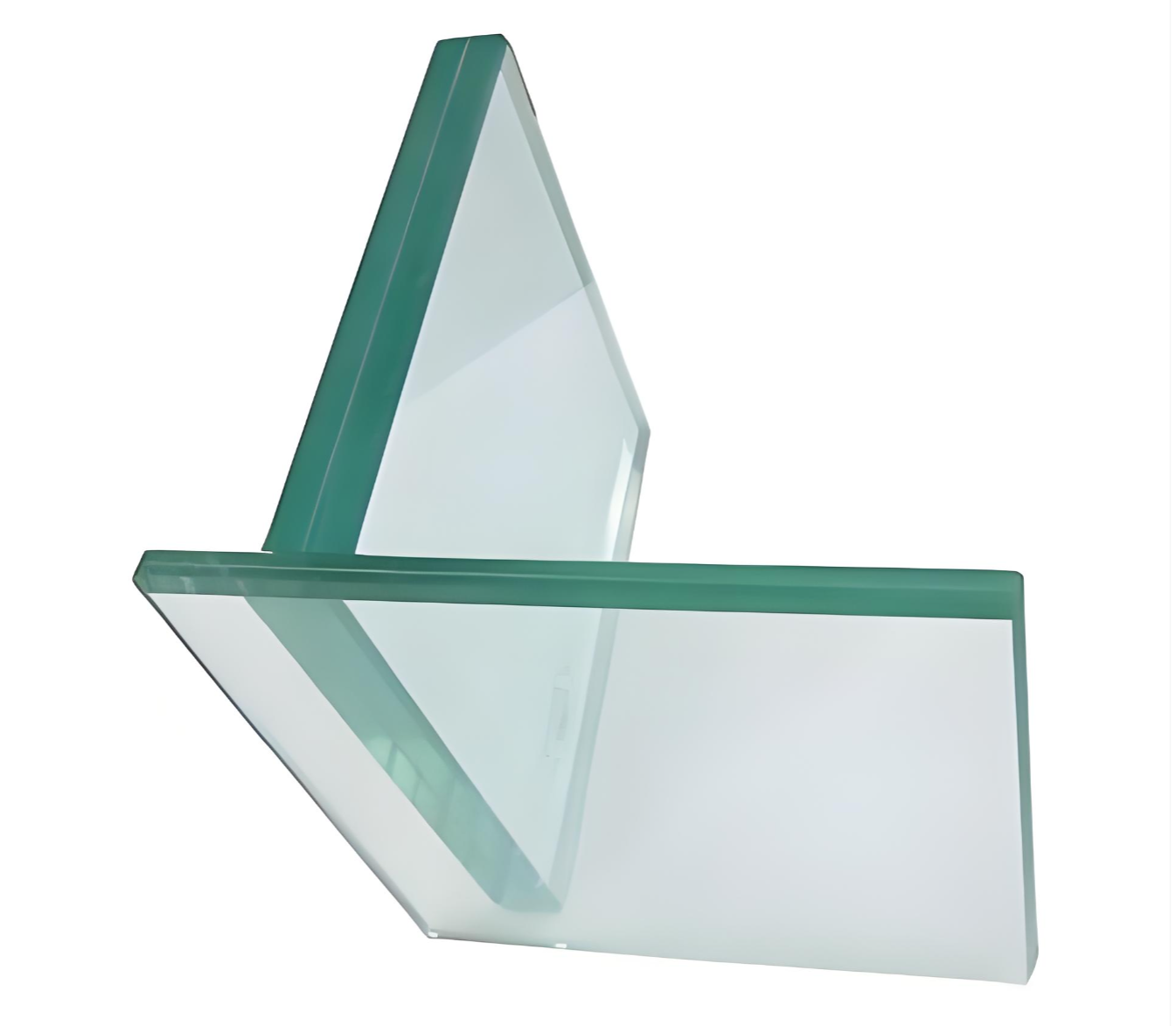
The primary mechanism by which laminated glass blocks heat radiation lies in its composite structure. Unlike monolithic glass, laminated fire-resistant glass, such as PyroNano's products, consists of two or more layers of glass bonded together with one or more transparent intumescent interlayers. Under normal conditions, this interlayer remains clear, allowing for high light transmission. However, when exposed to the intense heat of a fire, a critical chemical transformation occurs. The interlayer intumesces—swelling and turning into an opaque, foamed ceramic-like insulation barrier. This expanded layer is highly effective at absorbing and dissipating radiant heat energy. It acts as a shield, significantly reducing the amount of thermal radiation passing through the glass to the unexposed (safe) side. This process is crucial for meeting the Radiation (EW) and Integrity/Insulation (EI) classifications, as it protects escape routes and prevents the ignition of materials adjacent to the glass from radiant heat alone.
Advanced Material Science: Nano-Enhanced Interlayers for Superior Performance
The efficacy of the intumescent interlayer is not arbitrary; it is a result of sophisticated material science. PyroNano utilizes advanced interlayer formulations, often enhanced with nano-scale fillers like silica. These nano-particles improve the interlayer's thermal stability and mechanical strength during the fire exposure. They ensure a more uniform and controlled expansion, preventing the formation of weak spots or cracks that could compromise the barrier. This nano-enhanced interlayer can withstand temperatures exceeding 800°C, creating a stable insulating foam that maintains its integrity for the duration of the fire resistance rating (e.g., 60 or 120 minutes). By effectively blocking infrared radiation, this advanced interlayer system ensures that the temperature on the unexposed side of the glass remains low, which is a fundamental requirement for the insulation (I) part of the EI classification, safeguarding both people and property.
Integration into Fire-Rated Systems: From Glass Panels to Complete Assemblies
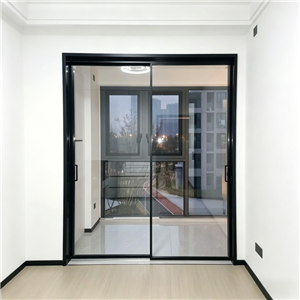
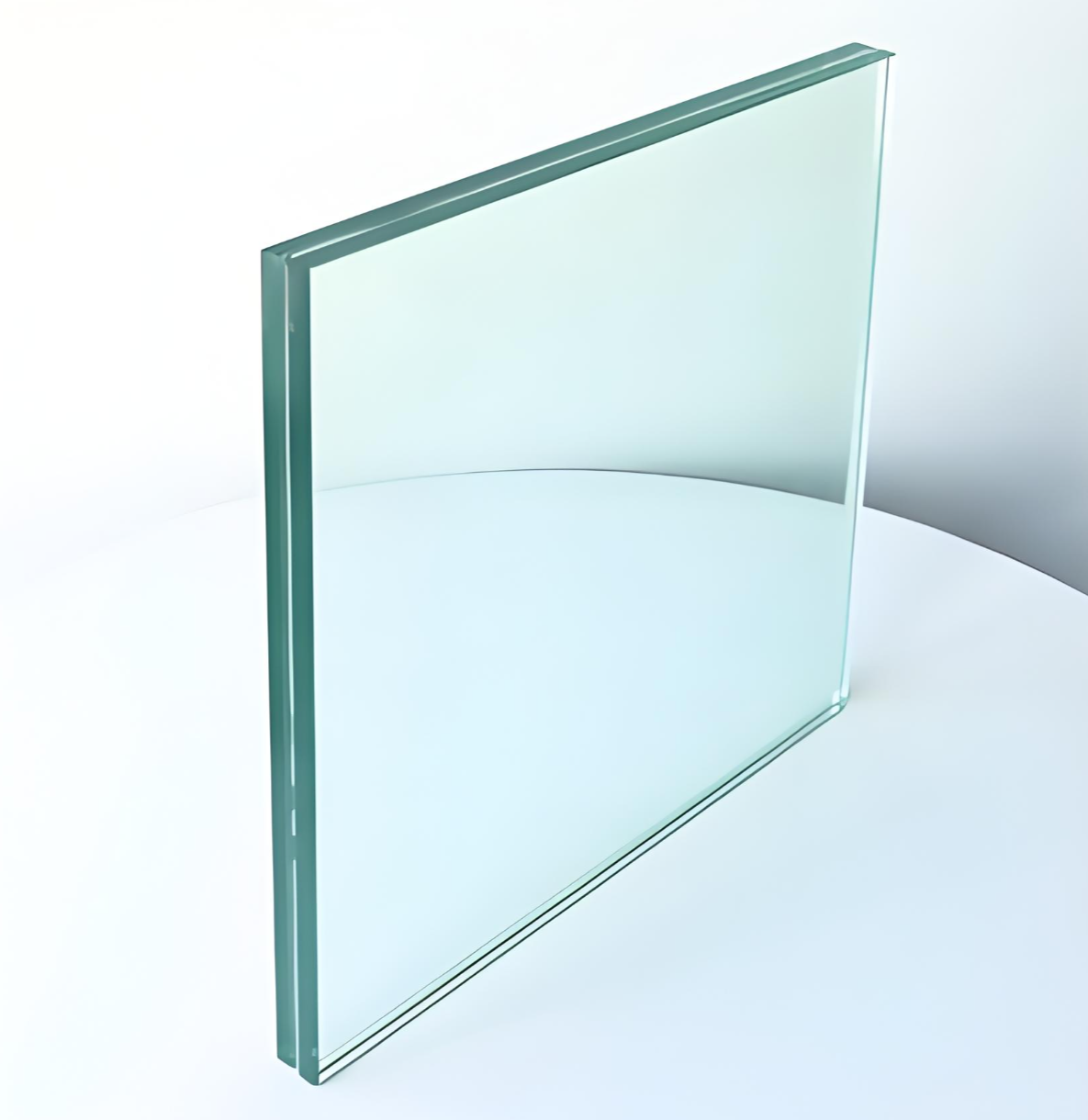
The performance of laminated glass in blocking heat radiation is fully realized only when it is integrated into a certified fire-rated system. The glass panel itself is a critical component, but its effectiveness depends on its synergy with the surrounding framework. PyroNano's fire-resistant glass partitions, doors, and walls incorporate specially designed frames with intumescent seals. These seals expand under heat, filling the gaps between the glass and the frame to prevent the passage of hot gases and flames. This holistic approach ensures that the entire assembly—not just the glass—functions as a cohesive barrier against heat transfer. Whether used in a single glass door or a large, oversized fire-resistant glazed wall, the laminated glass core, working in concert with its supporting system, provides a reliable solution for containing heat radiation and maintaining compartmentation in a building during a fire.
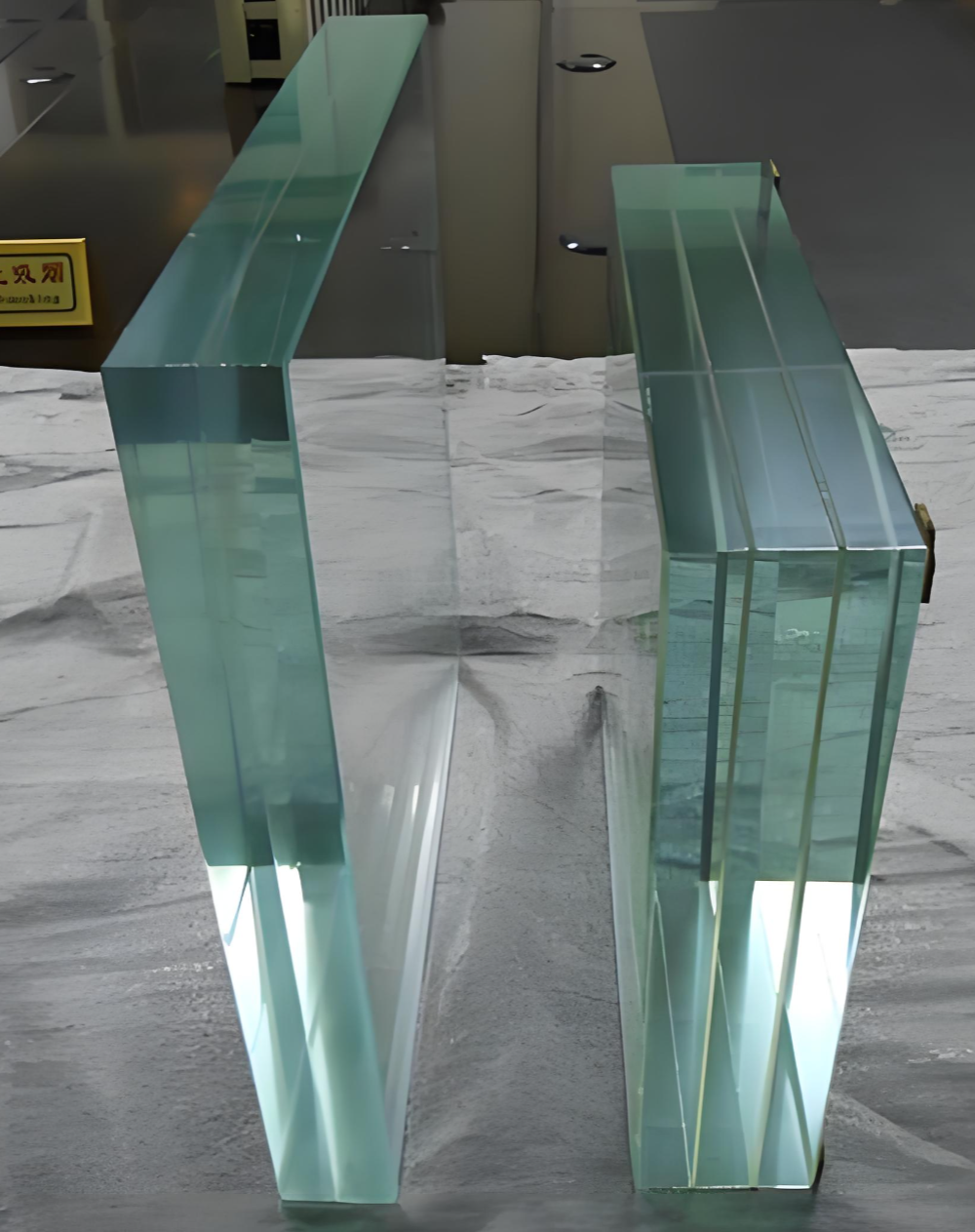
In summary, laminated glass is indispensable for blocking heat radiation in modern fire safety design. Through its multi-layered structure with a heat-reactive intumescent interlayer, often enhanced with nano-technology, it transforms into a potent insulating barrier. When integrated into a certified fire-rated system, it provides a critical defense, limiting radiant heat transfer to ensure safer escape routes and greater overall building safety.