How Heat Soak Testing Reduces Spontaneous Breakage Risk in Tempered Glass
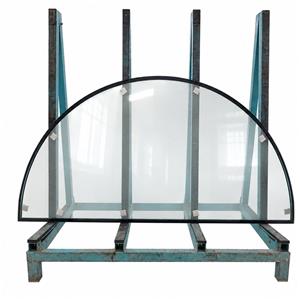
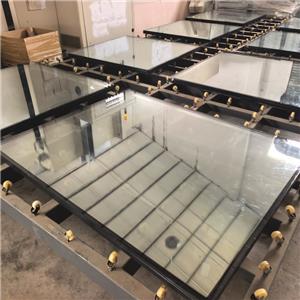
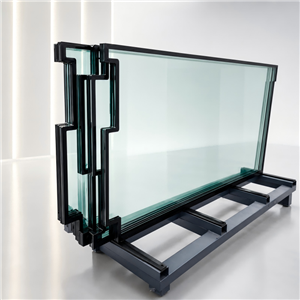
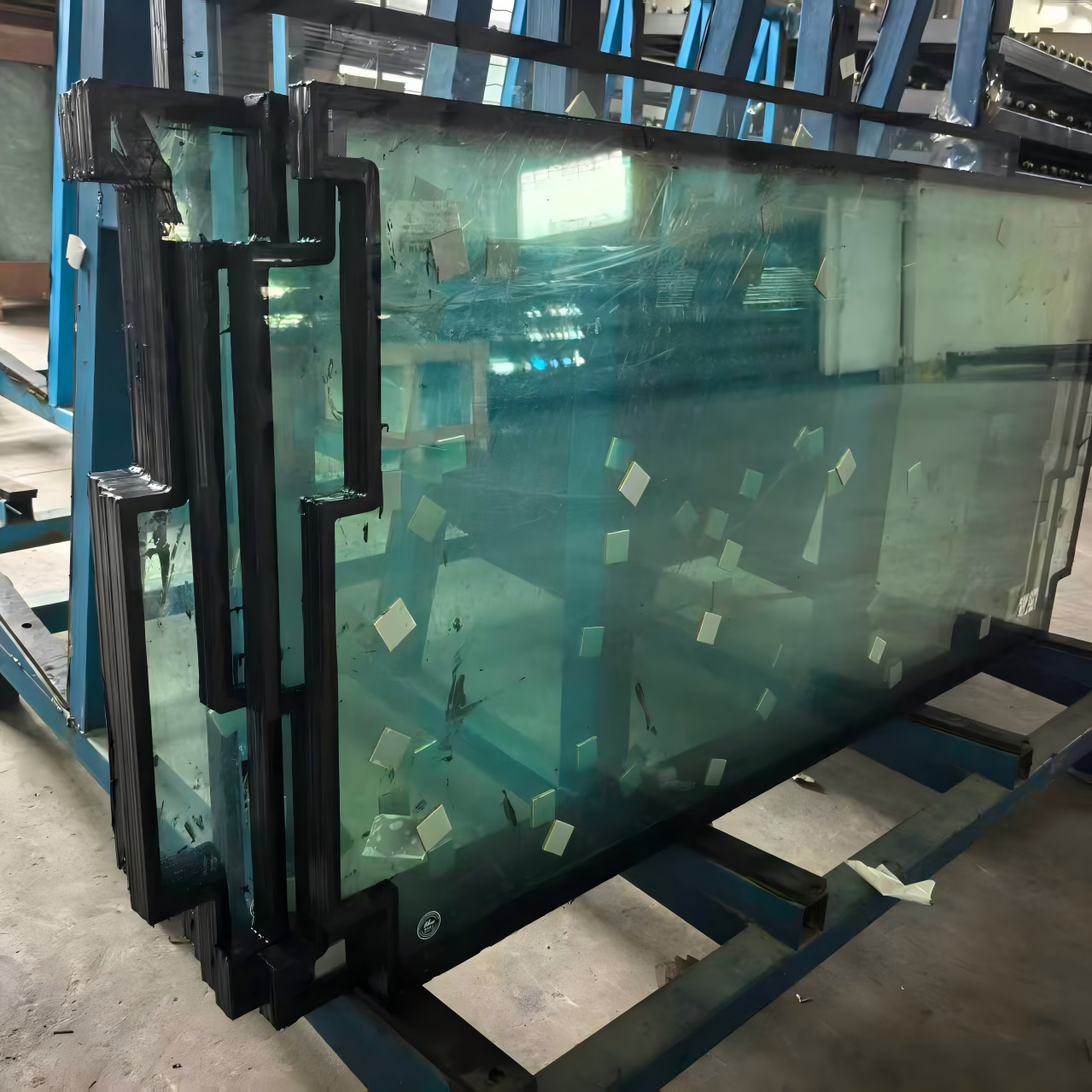
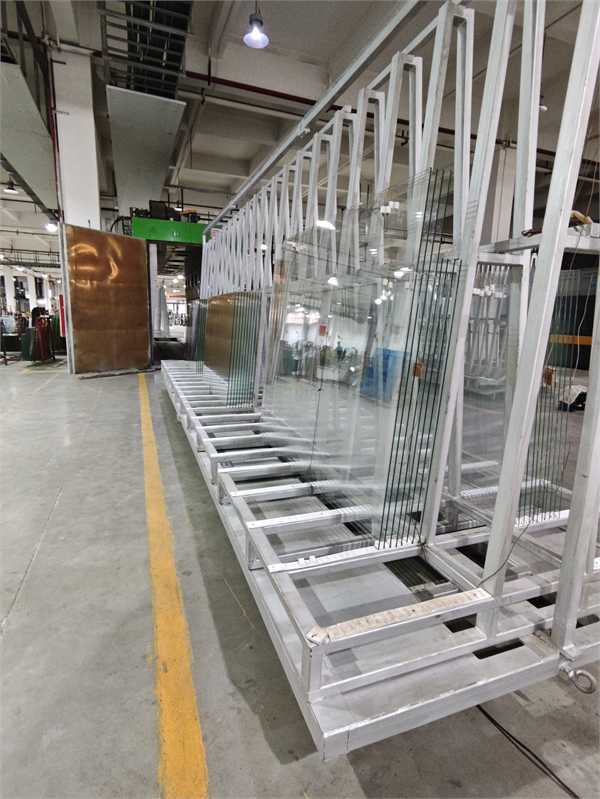
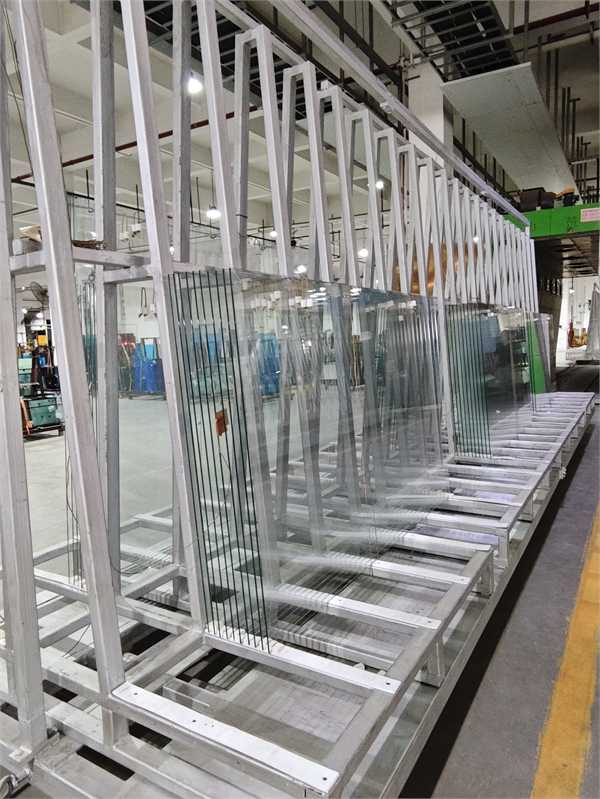
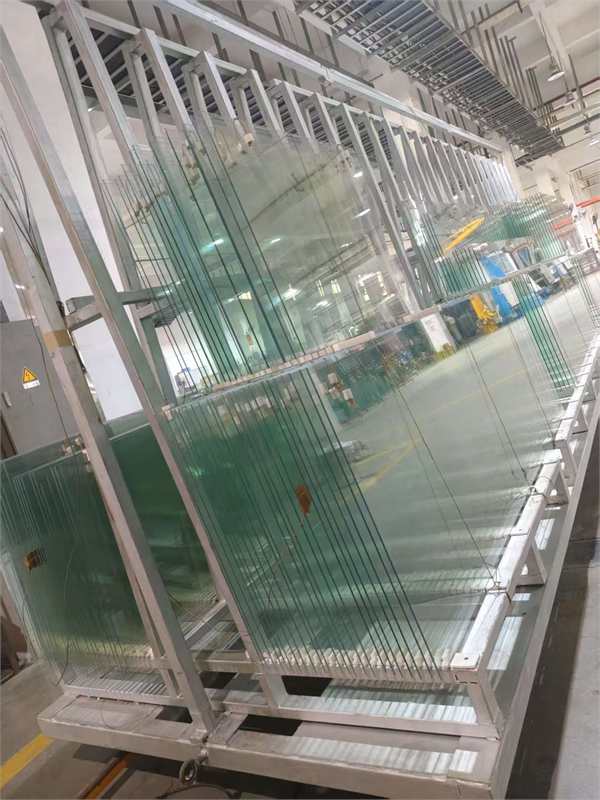
PyroNano is carrying out heat soak testing on a batch of tempered glass panels at the production facility. The factory photos show the panels separated, supported vertically on dedicated racks, and prepared for a controlled furnace cycle. This additional quality-control step is used when a project specification calls for heat soaked tempered glass and a lower residual risk of spontaneous glass breakage.
What Is Heat Soak Testing?
Heat soak testing is a secondary thermal process carried out after glass has been tempered. The purpose of a tempered glass heat soak test is to expose the panes to a controlled heating, holding, and cooling cycle inside a dedicated furnace. Panes containing a critical nickel sulfide inclusion are more likely to break during this controlled factory process instead of remaining undetected until installation.
The process is a risk-reduction measure rather than a zero-risk guarantee. Heat soak testing cannot remove every possible cause of glass breakage. Edge damage, incorrect handling, frame contact, installation stress, excessive building movement, impact, and severe thermal stress can still damage glass after delivery. Buyers should therefore treat heat soaked tempered glass as one part of a complete quality and installation plan.
Why Spontaneous Glass Breakage Matters
Tempered glass is valued for its mechanical strength and its safer fragmentation behavior compared with ordinary annealed glass. However, a small nickel sulfide inclusion can remain inside a pane after tempering. Under certain conditions, the inclusion can change over time and create local stress. If the stress becomes greater than the pane can tolerate, spontaneous glass breakage may occur without an obvious impact event.
Unexpected breakage is especially disruptive after glazing has been installed in a facade, door, partition, atrium, or other difficult-to-access area. Replacement may require lifting equipment, temporary closures, new site measurements, and coordination with other trades. Specifying a tempered glass heat soak test at the correct procurement stage can help reduce this project risk before the glass reaches the building site.
How the Factory Batch Is Prepared
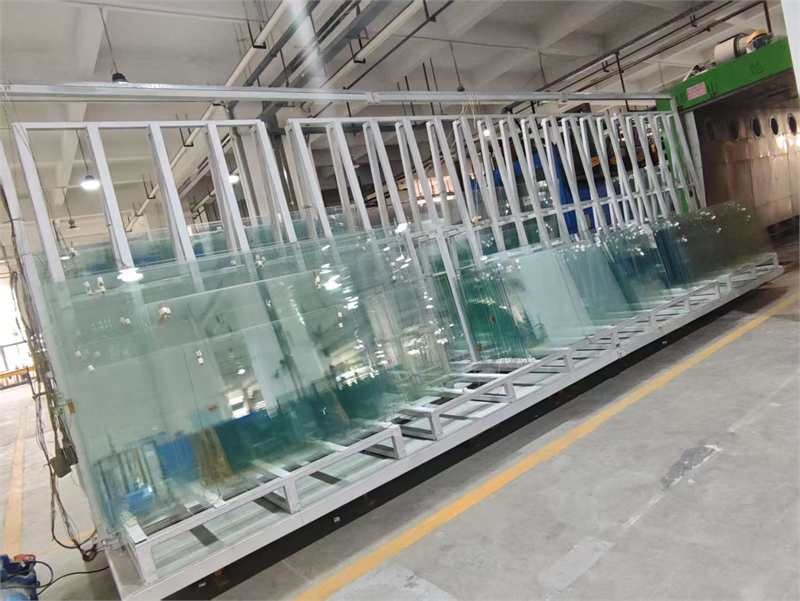
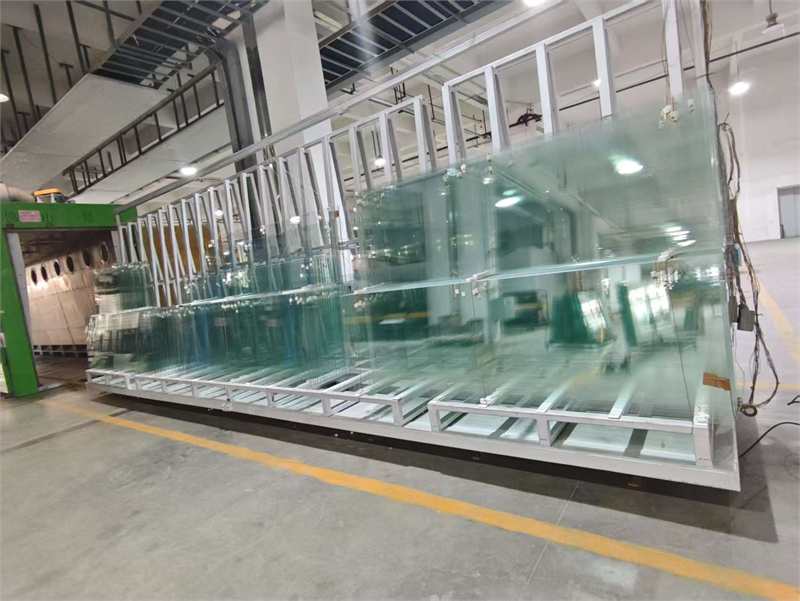
The current batch is arranged on purpose-built transport racks next to the heat soak furnace. Each pane is held vertically, with separation between adjacent pieces to support consistent air circulation during the cycle. The glass edges remain accessible for visual checks, and the rack configuration helps the production team move the batch through the process in an orderly manner.
A controlled heat soak testing workflow should include the following stages:
Specification review: confirm which panes require heat soaked tempered glass and identify the applicable project or product standard.
Pre-process inspection: check pane identification, dimensions, visible edge condition, holes, cut-outs, and other required fabrication details.
Rack loading: separate and support the panes in a stable arrangement suitable for the furnace and the glass configuration.
Controlled cycle: run the approved heating, holding, and cooling sequence under the applicable procedure.
Post-process inspection: inspect the remaining panes and review the required batch records before the next production or delivery stage.
Applicable Standards and Project Requirements
International and regional specifications may refer to different standards for heat soaked tempered glass. ISO 20657:2017 covers flat heat soaked tempered soda lime silicate safety glass for use in buildings. European or UK project documents may refer to EN 14179-1 or BS EN 14179-1:2016 for flat heat soaked thermally toughened soda lime silicate safety glass.
The purchasing specification should identify the required standard, glass type, thickness, size, edgework, holes, coating orientation, marking, and documentation. Curved glass and special product constructions can fall outside the scope of standards written for flat monolithic glass, so project-specific confirmation is important before production.
Heat Soak Testing and Fire-Resistant Glazing
Heat soak testing does not create fire resistance and does not replace a fire test. When tempered glass is used as a component within a fire-resistant glass, fire-resistant glass door, or fire-resistant glass partition system, the final fire performance depends on the complete tested construction. The glass composition, frame, seals, joints, dimensions, hardware, and installation method must all match the required system evidence.
For this reason, buyers should confirm both requirements separately: the heat soak requirement for the relevant tempered pane and the fire-rating evidence for the complete glazing assembly. Keeping these two quality questions separate helps prevent incorrect substitutions during quotation, production, and site installation.
Information Buyers Should Include in an RFQ
To receive an accurate recommendation, send the following information with the enquiry:
glass application and installation location;
required fire classification and duration, when applicable;
pane size, thickness, composition, and quantity;
drawings showing holes, cut-outs, notches, and edgework;
required heat soak testing standard or project specification;
marking, traceability, inspection record, and document requirements;
packing, delivery sequence, and target project schedule.
Clear requirements allow the production team to confirm whether heat soak testing applies to the selected glass and whether the proposed construction matches the project documentation.
Discuss Your Glass Specification with PyroNano
PyroNano supplies fire-resistant glass and glazing systems for architectural projects. If your specification requires heat soaked tempered glass, send the glass schedule, drawings, required standard, fire rating, and delivery destination. The PyroNano team can review the information and help identify the appropriate next step for quotation and production.