How Wall Tolerance Affects Fire Rated Glass Installation
How Wall Tolerance Affects Fire Rated Glass Installation
Wall tolerance directly affects fire rated glass installation quality. If the opening is not level, square or aligned, the glass frame may shift, seals may not work properly, doors may not close smoothly and the project may face rework or inspection problems.
Get QuoteWhy Wall Tolerance Matters
Fire rated glass is not installed into a perfect opening every time. In real construction projects, walls may be uneven, slightly out of square, not vertical or affected by floor and ceiling level changes. These site conditions can make installation more difficult than expected.
For fire rated glass systems, small gaps and alignment errors matter because the glass, frame, fireproof sealant, gasket and fixing method must work together as a complete system.
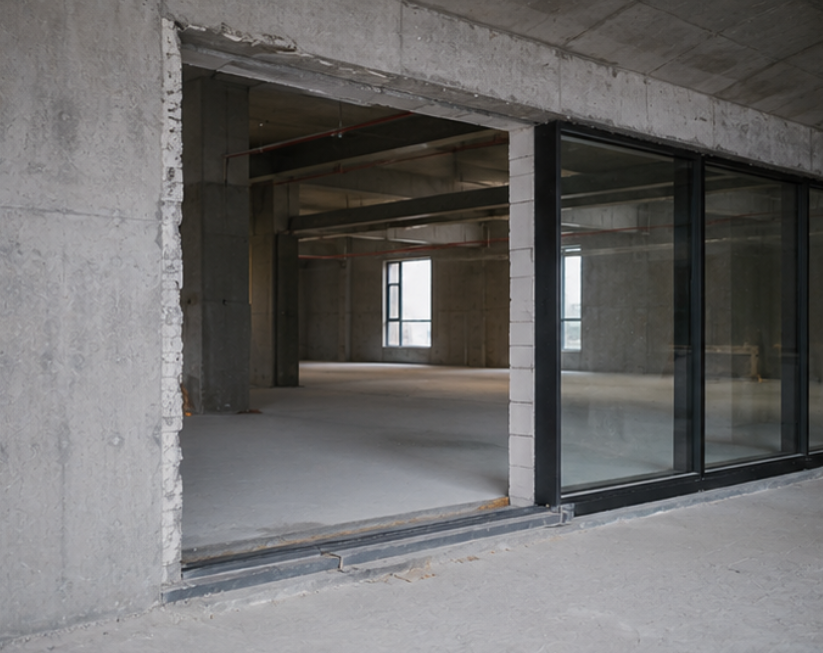
1. Uneven Openings Can Cause Frame Gaps
If the wall opening is wider at the top than the bottom, or if one side is not vertical, the frame may not sit evenly. This can create visible gaps around the fire rated glass system.
Measure opening width at the top, middle and bottom.
Check height on both left and right sides.
Confirm whether the opening is square.
Record tolerance differences before production.
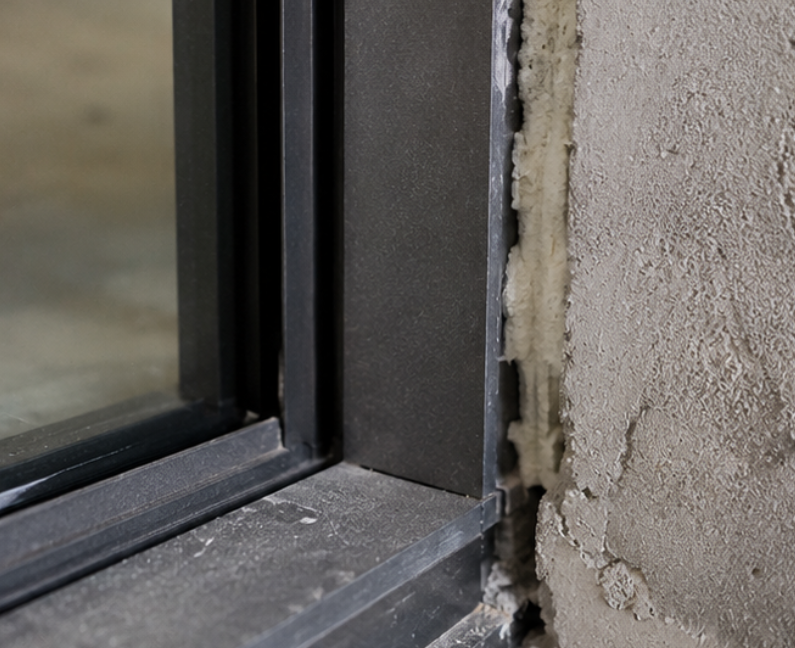
2. Poor Wall Alignment Affects Fireproof Seals
Fireproof seals and gaskets need stable contact surfaces. If the wall or frame is not aligned, the seal may be compressed unevenly or fail to close the gap properly.
This is especially important for EI60, EI90 and EI120 fire rated glass walls, doors and corridor systems where sealing performance affects project acceptance.
3. Floor And Ceiling Levels Change Installation Clearance
Floor finishes, ceiling height changes and leveling work can affect the final opening size. If glass is produced before the final site condition is confirmed, the panel or frame may not fit correctly.
Contractors should confirm final floor level and ceiling connection before ordering fire rated glass, especially for hotel renovations, office partitions and commercial corridors.
4. Wall Type Affects Fixing Strength
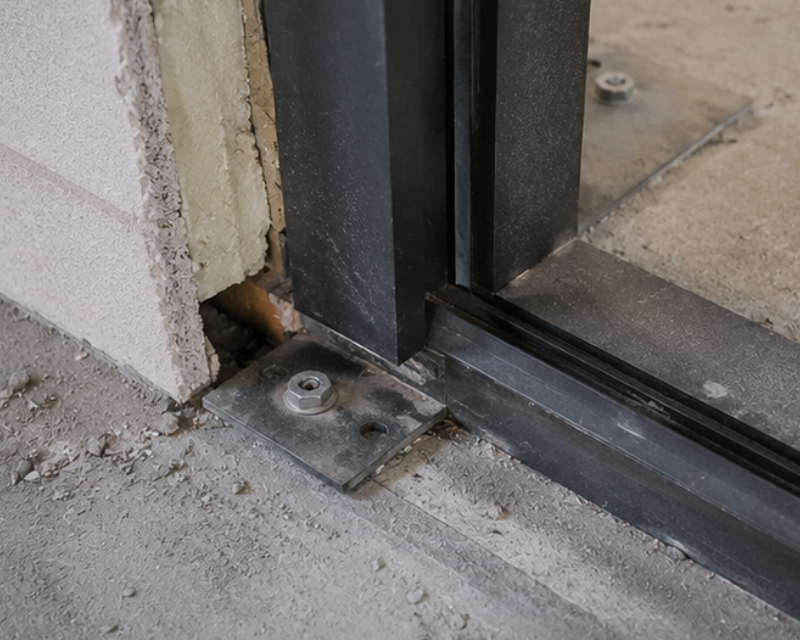
Concrete walls, block walls, drywall and steel structures require different fixing methods. If the fixing surface is weak or uneven, the frame may move after installation.
Confirm wall type before quotation.
Check wall thickness and fixing surface.
Review anchor position and frame fixing details.
Confirm whether reinforcement is needed.
5. Door Operation Can Be Affected By Tolerance Errors
For fire rated glass doors, wall tolerance problems can affect door leaf alignment, closer operation, lock position and panic bar function. The door may rub, fail to close or leave uneven gaps.
This can lead to repeated adjustment on site and may delay final inspection.
Wall Tolerance Checklist Before Ordering
Measure opening width at top, middle and bottom.
Measure opening height on both sides.
Check wall verticality and flatness.
Confirm final floor finish level.
Check ceiling connection condition.
Confirm wall type and wall thickness.
Review fixing method and anchor position.
Confirm required installation clearance.
Send site photos if the opening is irregular.
Confirm final drawings before production.
Conclusion
Wall tolerance affects fire rated glass installation because it changes frame alignment, sealing performance, fixing strength and door operation. Contractors should check the actual opening, wall type, floor level and installation clearance before placing an order to reduce rework and site delays.
Need Help Checking Fire Rated Glass Installation Conditions?
Send us your drawings, opening dimensions, wall type and site photos. Our team will help review whether the fire rated glass system matches your installation conditions.
Contact Us Get Quote